6 HVAC Efficiency Tips for this Fall

6 HVAC Efficiency Tips for this Fall

HVAC Efficiency Tips

Inefficient HVAC systems not only compromise your comfort level, they hurt you financially. Keeping your HVAC system operating at its highest level will improve your home’s indoor temperatures, and it will also save you money.

Here are a few HVAC efficiency tips to keep your home’s comfort level at its best.

HVAC Efficiency: Keep Evaporator and Condenser Coils Clean

Dirt and debris accumulate around your condenser and evaporator coils. This build-up will decrease your systems’ ability to transfer heat and its cooling ability. Cleaning these components on a regular basis will keep your system running efficiently.

HVAC Efficiency: Replace Your Air Filters

Clogged or dirty AC filters will restrict the airflow of your unit. Fixing a disruption to airflow can create a great increase in energy efficiency. We strongly recommend changing your air filter every 30-90 days depending on the filter rating.

HVAC Efficiency: Poor HVAC Maintenance

Most homeowners neglect proper HVAC maintenance. Since your system components are stowed away and hidden, they have a tendency to become, “out of sight and out of mind.” Your AC and heating system efficiency can decrease by five percent per year.

To prevent further wear and tear, and to prolong the life of your HVAC system, we recommend you schedule regular maintenance.

HVAC Efficiency: Compromised Ductwork

Damaged or worn ductwork can certainly cause inefficient heating and cooling. Air leaking out of your ductwork into your attic will definitely cause poor performance and higher utility bills. A thorough inspection of your ductwork by an experienced technician can save you a great deal of money.

HVAC Efficiency: Aging HVAC Systems

If you notice decreased efficiency in your A/C even with proper maintenance, it may be the case that your unit is simply nearing the end of its lifespan. Most air conditioners can last anywhere from 10 to 15 years, so a replacement may be in order if your unit is older than that.

How Do You Test Your HVAC Efficiency and Performance

On a day that is above 80 degrees, allow your AC unit to run for at least 15 minutes consistently. Place a thermometer on a supply register closest to the unit and let it sit for 5 minutes. Repeat the process at a return vent.

An efficient HVAC system cools air 14 to 20 degrees from the temperature that it entered your system. If your HVAC system is not able to do this, its performance and efficiency are at best problematic. If this is the case, you should contact us immediately to schedule an HVAC maintenance appointment.

Want more information about HVAC Efficiency? We Can Help!

If you are considering preventative HVAC system maintenance services to better your HVAC Efficiency, call us at 281-238-9292 or contact us via email.

Connect with All Cool AC and Heating on Facebook

HVAC Efficiency


HVAC System Maintenance: 5 Reasons Why Your Heating Costs Are Through the Roof

HVAC System Maintenance

5 Reasons Why Your Heating Costs Are Through the Roof

Heating costs are sure to rise as the outdoor temperatures fall during winter. If you notice your heating costs increasing each year, it is safe to say that your HVAC System may be showing signs of aging or needs repair. The most common sign is that your heating system is losing efficiency.

The more your HVAC System loses its ability to heat your home, the more it will cost you to achieve the same level of comfort. Here are some of the most common causes for your heating system to lose its efficiency.

How do furnaces lose efficiency?

  1. Dirty HVAC Air Filters

Your HVAC filter being dirty is the leading cause of heating system inefficiency. Replacing your air filter regularly will keep efficient airflow through your HVAC system. Clogged air filters reduce the airflow causing multiple components to drop in performance. Continue neglect of replacing your air filter regularly can even result in system failure.

Most air filters are scheduled to be replaced every 60 to 90 days. Pet owners, tobacco users, and those with elderly or small children in the home may consider replacing their air filter more frequently.

  1. Dust and Debris Buildup

The air filter will only remove a certain amount of dust and debris from settling on your components. This build-up will reduce their efficiency. Your HVAC System coil is one component that is expensive to replace and whose lifespan can be increased with proper cleaning. Your HVAC system has two coils, an evaporator coil, and a condenser coil.

Dust buildup on your evaporator coil reduces the ability to reduce humidity in your home’s air. Debris buildup on the condenser coil limits the condenser coil’s ability to release that heat outside.

The best way to prevent dust buildup is to have your heating system undergo preventative maintenance twice a year. Once in the spring and once in the fall. Our experienced technicians will clean and shore up your system and report any potentially problematic areas to address.

  1. Failing Ductwork

Your ductwork is the delivery system for cooling and heat to your home. When this delivery system is compromised, that system is less efficient and your HVAC system must work harder to achieve the same level of comfort. During a preventative maintenance appointment, our technicians thoroughly inspect your ductwork to identify any wear and tear or potential areas that may cause improper air flow.

  1. Blocked or Close Air Vents

Many times we forget to keep air vents free of furniture or rugs, and sometimes we close air vent to attempt to redirect airflow. Without a zoning thermostat, your heater will continue to heat that room regardless.

  1. Aging Heating Systems

The average lifespan of your HVAC system is about 15-20 years. Proper maintenance can increase lifespan considerably. As your system ages, it will decrease its efficiency. As technology increases, systems become more efficient, work less, and last longer.

Want more information about HVAC System maintenance? We Can Help!

If you are considering preventative heater maintenance services, call us at 281-238-9292 or contact us via email.

Connect with All Cool AC and Heating on Facebook

Energy Efficient HVAC Tips for Summer

Summer Energy Efficient HVAC Tips

Summer Energy Efficient HVAC Tips

Being cool is the number one priority for most of us during the intense summer heat. HVAC systems work overtime to remove the heat and make our homes comfortable and safe.

Cool summertime temperatures come with a cost. Homeowners see spikes in utility bills and must question their choices and consider energy-efficient alternatives. Here are some solutions to reduce your energy consumption during the summer.

Important Facts About Energy Efficient HVAC

Do you know what percentage of your utility bills come from your HVAC system? Let us take a quick look at some facts to help you better understand your HVAC system efficiency.

In the Texas Gulf Coast, over 95% of homes use some type of cooling system. In the U.S., 12% of the total energy consumption is from air conditioning systems. In Southeast Texas, that number is over 30%. Reducing the amount you use your air conditioning system is the easiest way to reduce your energy usage, but the cost is not worth it. Yes, your bill is lower, but often your comfort level is also below what is acceptable.

Energy Efficient HVAC System Upgrades

Older HVAC units are not as energy-efficient as newer and more modern options. Newer air conditioners are required by the Department of Energy to meet certain energy efficiency standards. Over time your HVAC system will lose efficiency. The older your unit is, the harder it has to work to reach the same comfort levels that you are used to.

Redesign Your Energy Efficient HVAC System in Your Home

Air conditioning systems work to cool your home. Rarely does each area of your home stays the same temperature or have the same cooling requirements. Zoning HVAC systems create comfort levels designed exactly like what you need and want. Zoning thermostats can redirect airflow to specific areas of your home as needed. This keeps the temperature consistent, between floors and rooms to provide the cooling and heating level you desire.

A zoned Energy Efficient HVAC system provides comfort and precision, and it helps you use less energy. Zoned HVAC systems can reduce airflow to unused rooms so energy is not wasted cooling/heating areas where nobody will be using it. When you pair your zoned HVAC system with a zoning thermostat, you can see additional savings that can further reduce your utility bills.

Summer Energy Efficient HVAC Tips

Looking for a more Energy Efficient HVAC system?

If you are sick of paying high utility bills and looking for an energy efficient HVAC system, call us at 281-238-9292 or contact us via email.

Connect with All Cool AC and Heating on Facebook


A/C Tune Up Maintenance Tips To Save Money This Summer

A/C Tune Up, HVAC Maintenance , air conditioning system maintenance

Maintenance Tips To Save Money on Your Summer Air Conditioning Bill

Here are some easy maintenance tips to keep your HVAC system running smoothly and efficiently. A smooth-running A/C system can reduce your utility bill. Rather than letting cabin fever get the best of you during this global crisis, make good use of your time by conducting HVAC maintenance that will save money on your summer utility bills. Your Family and Pets Need Fresh Air, All Summer Long!

Limit the Amount of Sun that Enters Your Home

Window coverings are a great way to block the intense heat of the summer sun. Installing window coverings that are designed to reduce radiant heat can reduce your home from heating up in the hot’s part of the day.  Covering your skylights or any window in rooms facing the West can reduce energy consumption. Landscaping that shields south and west-facing walls and windows can help prevent your home from heating up from the summer sun. Window screens and tint can be a great solution for large windows that let sun heat up rooms on the Southwest side of your home.

Conduct a Proper Vent Inspection

Regular vent inspection can reduce air conditioning strain. Keep your vents free from being blocked. Allow plenty of airflow in and around vents and returns. Complete or partial blockages can put excess strain on your air conditioning system.


Clean Your Outdoor Condenser

During the winter leaves, branches and debris can gather around this vital component to your HVAC system. The condenser is not only a vital component, but it is also the most expensive component. Shrubs, plants, and trees can also grow in and around your air conditioner condenser. With appropriate regular spot checks & maintenance, you should expect more than a decade of use from this important piece of equipment.

Evaluate Your Thermostat Placement

Your thermostat determines how often your HVAC system turns on and off. If your thermostat is affected by sources of heat, it could be detecting inaccurate temperatures. Household items like lamps and direct sunlight can prematurely turn your system on inappropriately. Also note that the lower your thermostat setting, the more energy your system will consume. For every degree below 78 degrees, you increase your energy consumption by 8%.

A/C Tune Up and Preventative Maintenance

We have outlined a few tips to reduce summertime energy consumption by your HVAC system. In addition to visual inspection of your unit, preventative maintenance is a key step to reducing summertime utility bills. Schedule your A/C tune up appointment before the summer heats up to avoid delays in scheduling and help mitigate costly repairs.

UV Light Sanitizers for Your HVAC System

UV Light Components for Your HVAC System

What an Air Purification System Can and Can’t Do

Reduce Indoor Air Pollutants with an Air Purification System

During this current pandemic, we see countless numbers of ads about the different sanitizing products on the market. Some are effective, while others are not. The most proven method of removing indoor air pollutants is using UV light sanitizers within your HVAC system. Although a UV light system inside your HVAC system cannot prevent contaminants from entering your home on your person or through open doors or windows, it can kill mold, bacteria, and some airborne viruses. This can be a great addition to regulate your indoor air quality within your HVAC system. This is especially critical for those with compromised immune systems, sensitivity to allergens, asthma sufferers, or children.

In 2012, Duke University conducted research providing evidence that UV light sanitizers can significantly reduce mold, bacteria, and virus transmission when combined with standard cleaning solutions. Although commercial based cleaners are not used in most homes, UV light sanitizers can be added to many existing HVAC systems.

The common method of adding these components is done in two ways:

Coil Sanitization

UV Light Components for Your HVAC SystemYour HVAC’s indoor coil can be fitted with UV C components to remove mold and other contaminants. Your coil removes liquid from the air to dehumidify your home. As air flows over the moist indoor coil, dust, debris, pet dander, and other pathogens stick to the coil. The coil can have mold and fungus grow if it is not cleaned regularly. If neglected those same allergens can enter your indoor air.

Coil sterilization light can remove irritants from your coil. The UV light sanitizers will direct its focus on the coil itself to kill everything before it gets into your indoor air quality. With a professionally installed UV light sanitizer, pollutants are removed 24/7 since the light remains on at all times. When a UV light is paired with a quality HVAC air filter, you will be provided some of the best indoor air quality possible.

Air Sanitization

Air sanitization products are a step beyond HVAC system coil sanitization. The air sanitization components use activated carbon to remove odors and chemicals from indoor air. Hazardous fumes from carpet, furniture, household cleaners, and industrial solvent concerns make your HVAC system an excellent candidate for this technology advancement.

In this world of pandemic crisis, we are all looking for the best solution to indoor air quality. We want to protect our family, our home, and our pets from pollutants, contaminants, and pathogens. Although HVAC UV light sanitizing components are not foolproof, they will take your indoor air quality protection to the next level. They are a great solution to remove bacteria, viruses, chemical irritants, pet dander, dust, and debris. These are all common irritants for those with chronic respiratory issues, sensitivity to chemicals, and asthma.

UV Light Sanitizer Questions

If you have questions about UV light sanitizers for your HVAC system, call All Cool A/C today at 281-238-9292. We look forward to working for you in the near future.

Indoor Air Quality: How Spring Affects Our Air Quality

Indoor Air Quality: How Spring Affects Our Air Quality

Spring has sprung! Pollen, mold, mildew, and dust are circulating in our air making for extremely poor indoor quality. If not maintained, these Springtime pollutants can have a big negative effect on you and your family’s health.

Indoor Air Quality Adverse Effects

  • – Itchy Eyes
  • – Congestion
  • – Body Aches
  • – Runny Nose
  • – Coughing
  • – Sneezing
  • – Fatigue
  • – Headache
  • – Dry Skin

Indoor Air Quality: How Spring Affects Our Air QualityAllergens such as pollen are in abundance in Spring and the leading cause of congestion and allergy flare ups. One of the reasons this contaminants flourishes during Spring is our tendency to “air out” our homes by opening the windows. This allows the pollen allergens to have full access to our sinuses.

Spring showers leaves dampness and moisture where mold and mildew find easy conditions to grow rapidly.

Throughout the entire year, your HVAC system pulls dust and debris into your ductwork settling to be recirculated as your air conditioning system works. This cycle of circling the dust in and out of the house will continue until the ducts are thoroughly cleaned. During Spring, outdoor pollutants and allergies have your sinuses and breathing labored, additional dust and debris from your ductwork can send your health spiraling downward.

What is the Roll of Your HVAC Systems for Healthy Indoor Air Quality?

Your heating and air conditioning systems filters and cleans your indoor air, maintains humidity levels, and provides comfortable temperatures. If properly maintained, HVAC systems will help filter that springtime pollen out of your home and will minimize the risk of mold growth by monitoring humidity levels.

Your HVAC Air Filter is a Crucial Component to Indoor Air Quality

A common problem for many homeowners is your AC unit “freezing up.” This is when your HVAC system is overworked. Its effectiveness becomes compromised and electricity usage can increase drastically.

Leading Causes of A/C Freeze Ups

Your HVAC evaporator coil drops too low, your system will begin to ice up. Hot airflow has become obstructed. Rather than moving hotter air from your home, the evaporator’s coils begin the transference of ice-cold air.  Such an occurrence is an example of poor system airflow.

Here are the leading causes of poor airflow:

  • – Clogged or dirty air filters
  • – Lack of refrigerant level
  • – Curtain/drapery/furniture obstructions for air returns
  • – Dirty or clogged coils
  • – Poorly functioning or malfunctioning system fans

Repair It Now or It Will Cost You

If you notice that your HVAC system is performing poorly, running excessively, your utility bill skyrockets, noises or smells are coming from your air conditioning unit, call for service immediately. Fixing an air conditioning system quickly as issues are noticed, will reduce expensive repair down the road.


5 Reasons To Change HVAC Filters Frequently

5 Reasons To Change HVAC Filters Frequently

5 Reasons You Should Change HVAC Filters More Frequently

Your air conditioning system’s air filter is designed to protect the system from debris and dust build up. Your HVAC system’s efficiency will become labored if its filter becomes clogged and your indoor air quality will become compromised.

For the average homeowner, how often should you change your HVAC filter and why should you change it regularly.

Why change HVAC filters?

#1 Part of System Maintenance to Prevent Costly Repair

5 Reasons To Change HVAC Filters FrequentlyYour HVAC system air filter keeps debris and dust from building up on or around your air conditioning system components. As dust and debris enter your A/C system, it begins to coat motors, fan blades, belts, and pulleys. This build up increases friction and will keep your system from running efficiently causing the air conditioner to run longer. If neglected, the heavy burden on your air conditioning system components will break down. Over time, the increased wear and tear causes parts to fail prematurely.

Your HVAC system needs free flowing air for it to be effective. If your filters are clogged with debris and duct, the flow is compromised. This improper airflow can cause your coils to seize up or overheat your compressor. If this happens, you are looking at very costly repairs that could have been avoided.

Changing your air conditioners air filter is an inexpensive maintenance task that can prevent expensive damage to your HVAC system.

#2 Reduce Your Utility Bills

Reducing your energy consumption is great for the planet and it saves you money.

An HVAC system with a dirty air filter requires more power to provide the same cool temperature. The system is required to run longer and work harder to maintain the same desired comfort level. Changing your HVAC filter regularly allows your system to consume less electricity and perform more efficiently.

#3 Increase the Lifespan of Your Equipment

Replacing your HVAC system is expensive. However, it saves you money and you can increase the longevity of your air conditioning system. The longer your air conditioning system performs at optimal levels, the longer your A/C system will last. Taking care of your HVAC system, which includes changing the filters regularly, will extend the life of your system.

#4 Limit the Amount of Dust in Your Home

Replacing your HVAC filter means less cleaning. A clogged filter means more dust in your ductwork. More dust in your ductwork means the more dust that is circulated throughout your home. Having a clean air filter will reduce dust that is in the air in your home.

#5 Reduced Pollutant and Allergens

Inexpensive paper filters are not designed to remove harmful contaminants from your home’s air. HEPA air filters remove pet dander, pollen, mildew, mold, bacteria, and viruses. HEPA air filters are comprised of densely packed glass fibers. The better quality HEPA filters filter 99% of pollen, dust, and smoke particles. When choosing a HEPA filter, make sure the MERV rating is 10 or higher.

Living in a home with poor air quality can lead to health complications. Change your filter and change it with a HEPA air filter.

How often should you change HVAC filters?

In general, we recommend changing HVAC filters at least every couple of months. However, that depends on your system and your environment. We have had customers that need to change filters every couple of weeks due to high levels of contaminants in the air. Homeowners with more pets may also need to change their filter more often due to pet dander.

HVAC Maintenance: Steps To Staying Cool This Summer

ac maintenance, ac tune up, hvac maintenance, hvac tune up, air conditioner maintenance, central air maintenance, ac unit maintenance, air conditioning preventive maintenance, hvac check up, cooling maintenance, home ac tune up, home ac maintenance, central air conditioner maintenance, central ac maintenance, home air conditioner maintenance

The Houston Area and the Texas Gulf Coast we seem to have two seasons: summer and not so summer. As we head into the “Summer” months, it is best to have your HVAC system ready for the hard work ahead. You will want your system to bring the relief it you so desperately need during the intense heat of a Texas summer.

Regularly scheduled AC maintenance can provide a great start, but if your systems has been switched off, you will want to take a few extra steps to prepare for summer.   Here are steps to take to prepare your air conditioning system for the summer.

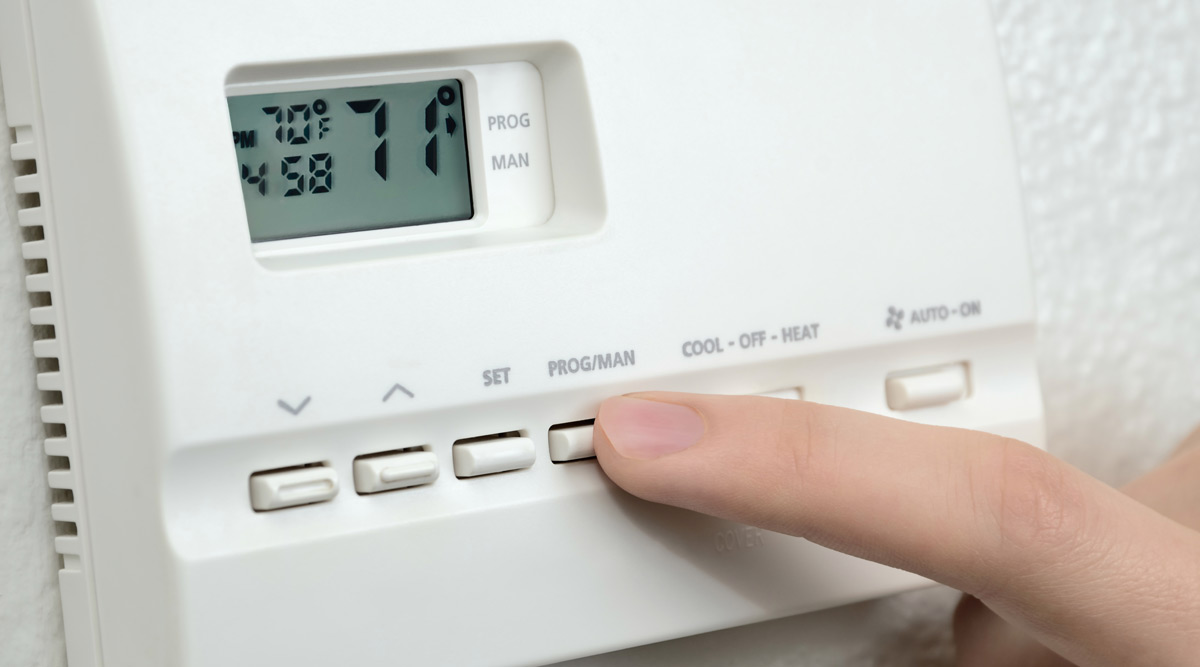
  • ac maintenance, ac tune up, hvac maintenance, hvac tune up, air conditioner maintenance, central air maintenance, ac unit maintenance, air conditioning preventive maintenance, hvac check up, cooling maintenance, home ac tune up, home ac maintenance, central air conditioner maintenance, central ac maintenance, home air conditioner maintenance – Take a look at your thermostat. Is it outdated? Many of the newer thermostat model are more energy efficient and can reduce your utility bill. Check out programmable thermostats and smart thermostats. Each can offer some great energy saving and convenience opportunities.
  • – Do a thorough inspection of your ductwork. Any wear and tear or compromises in its structure can be a source of inefficiency and cooling loss.
  • – Inspect your air vents to remove any obstructions that can block airflow. Many times, window coverings and furniture can block airflow.
  • – Check your drain line for clogging. Many times the drain is located in the attic where the drain pan can have debris fall into it causing blockages. Algae can also build up if there is standing water. Flushing your drain line with a cup of chlorine bleach followed by gallon of water can keep your drain clean. A clogged drain line can cause an overflow of the drain pan. Since move air conditioning units are installed in the attic, a leak can cause significant damage to ceiling and underlying structures.
  • – Change your air filters regularly. The filter should be changed every three months, or as stated on by the manufacturer of the air filter. If you cannot remember when the last time your air filter was changed, change it today. We recommend that you put the installation date on the filter to better manage replacement.
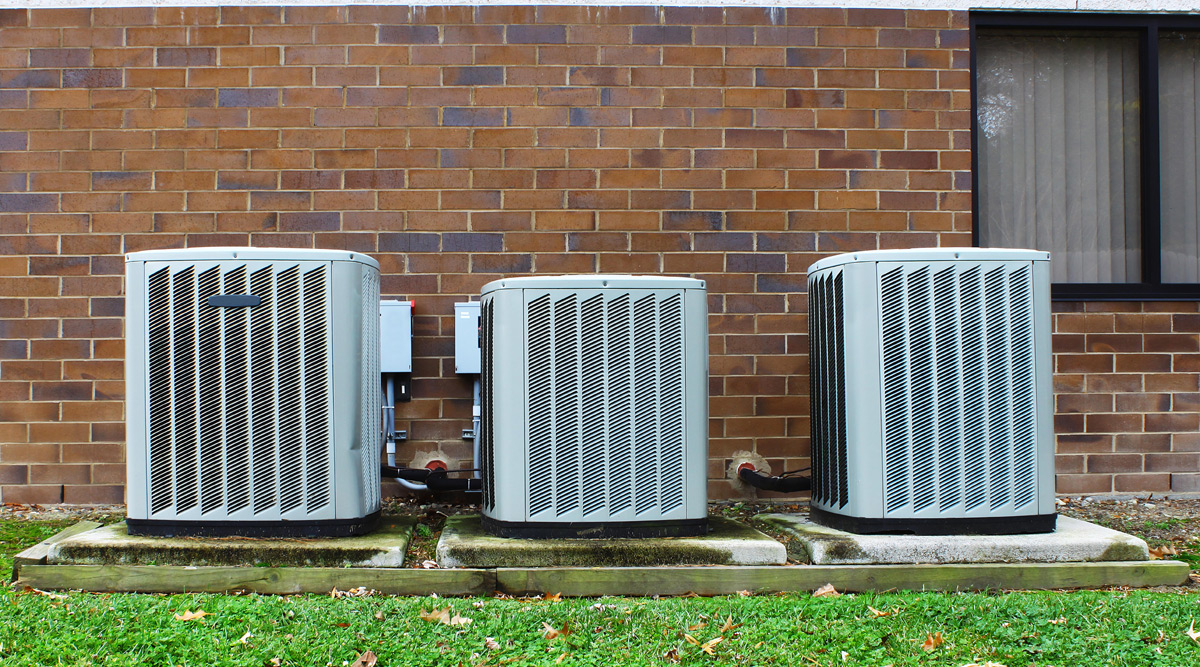
  • – Inspect your outdoor HVAC condenser unit. Remove any debris, leaves, weeds that can block or affect performance. Confirm that all electrical panels are connected, tighten if needed. Visually inspect any electrical wiring that you can see. If damaged, schedule a consultation.
  • – Conduct a visual inspection of your refrigerant lines. These lines are typically insulated to improve the efficiency of the system. If you see any wear and tear, or insulation is damaged, give us a call.
  • – Review the original installation documentation so you know the age of your unit. Air conditioners do have a life span. No matter how well you maintain your HVAC system, it will eventually wear out and perform less than optimally. Consult with our technician team to discuss replacement vs. repair options.
  • – Turn your system to cool and adjust your thermostat to a temperature low enough to make your system turn on.
  • – Listen to your system outdoors and indoors for any irregular sound. The outdoor condenser should be pulling warm air out of your home, you can hold your hand above it to confirm it is functioning properly.
  • – After your system has ran about 15 minutes or more, you should feel the temperature to begin to drop.


Troubleshooting and Energy Tips

As previously stated, you should schedule a maintenance appointment at least once a year to have a professional evaluate your air conditioning system. While conducting the steps above, you run into any problems or concerns, definitely give us a call. Not addressing problem areas can lead to more extensive repair that will cost you more money. Remember to call early. The summer months are extremely busy and you will want to avoid delays in scheduling.

During the heat of the summer, you can reduce your energy consumption by increasing the temperature of your thermostat by just a few degrees.

Stay Cool This Summer

The last thing you want is a hot and humid summer day without air conditioning. When your air conditioning system has been sitting idle for a few months, an AC tune up and maintenance is definitely a necessary step to staying cool this summer.

Katy HVAC Repair Terms Every Homeowner Should Know

Understanding the language used by Katy HVAC repair professionals to describe various components of your heating and cooling system can help you make the most informed decisions when planning for repairs or replacement. This can potentially save you money over the life of your system. Here are six key terms used in the HVAC industry.

SEER

hvac repair,katy air conditioning repair,katy air conditioning service,katy hvac repair, hvac repair, air conditioning repair, ac repair, air conditioner repair near me, furnace repair near me, hvac companies near me, hvac repair near me, air conditioning repair service, heating repair, hvac companies, air conditioning companies, hvac contractors near me, ac companies near me, heating repair near me, air conditioning contractor, heating and cooling repair, heating and air conditioning repair, home ac repair near me, air conditioning companies near me, heating and air repair, ac repair services, ac installation near me, central air repair, 24 hour ac repair, home ac repair, emergency ac repair, ac unit repair, heating and air conditioning repair near me, 24 hour air conditioner repair, heating and air repair near me
Perhaps the most important acronym for new systems, SEER stands for Seasonal Energy Efficiency Ratio and measures the overall efficiency of air conditioning equipment during operation. As of January 1, 2015, the minimum allowable SEER rating for new air conditioning systems throughout the United States is 13; SEER ratings of 14 are required for systems in our area. Choosing a unit with a higher SEER rating can significantly reduce your cooling bills and can provide you with added comfort during hot Texas summers.

Modulated Air Conditioning Systems

Also known as variable-speed systems, modulated equipment offers more than simple on-off functionality for homeowners. By varying the amount of power devoted to keeping your home cool, these systems offer improved energy efficiency and more accurate climate control for your family. If you are in the market for a new HVAC system, consulting with your Katy air conditioning service professional can provide added guidance in finding the right solutions for your cooling needs.

Load Calculations

When replacing your current system, your Katy installation experts will typically perform a load analysis to determine the right size and capacity for your home’s size and cooling needs. These load calculations are essential to ensure that you enjoy the greatest possible indoor comfort and the most efficient operation of your new heating and cooling equipment.

MERV

An acronym for Minimum Efficiency Reporting Value, MERV ratings indicate the ability of air filters to remove particulate matter from the air. Filters with lower ratings provide less protection against small particles. MERV 16 filters are suitable for use in hospitals and clean rooms. Consulting with your air conditioning technician can help you choose the right filter for your system and your indoor air quality needs.

Zoning

In the HVAC industry, zoning refers to the use of separate thermostats to manage climate control in various areas of your home. For instance, a large family room might require its own thermostat while all bedrooms on a single floor might share a zone and a common thermostat. Zoned systems offer greater flexibility and can be especially useful in families with widely different preferred temperatures in their personal living spaces. By implementing heating and cooling zones, you can ensure individualized comfort in every area of your Texas home.

British Thermal Units

British thermal units, also known as BTUs, are a way to measure the cooling power of a particular air conditioning system. One BTU is defined as the amount of energy required to increase or decrease the temperature of one pound of water by one Fahrenheit degree. BTUs are used to describe the size of cooling systems and to allow proper sizing of equipment for homes and buildings of all sizes. Working with an experienced HVAC company can ensure that your new system has enough power to keep your home cool all summer.

At All Cool A/C & Heating, we specialize in providing you with the most effective Katy air conditioning repair and replacement services to keep you and your family cool and comfortable even on the hottest summer days. Our skilled technicians can provide you with the best guidance and support for your HVAC system throughout the year. We are locally owned and operated and have more than 25 years of experience in the heating and cooling industry, allowing you to enjoy greater confidence when entrusting your system to us. Call All Cool A/C & Heating today at 281-238-9292 to schedule an appointment with our tech team. We look forward to keeping you and your family comfortable.

Protecting Your HVAC System When Remodeling Your Home

sugar land air conditioning service,sugar land air conditioning repair,sugar land hvac repair, HVAC REPAIR, AIR CONDITIONING REPAIR, AC REPAIR, AIR CONDITIONER REPAIR NEAR ME, FURNACE REPAIR NEAR ME, HVAC COMPANIES NEAR ME, HVAC REPAIR NEAR ME, AIR CONDITIONING REPAIR SERVICE, HEATING REPAIR, HVAC COMPANIES, AIR CONDITIONING COMPANIES, HVAC CONTRACTORS NEAR ME, AC COMPANIES NEAR ME, HEATING REPAIR NEAR ME, AIR CONDITIONING CONTRACTOR, HEATING AND COOLING REPAIR, HEATING AND AIR CONDITIONING REPAIR, HOME AC REPAIR NEAR ME, AIR CONDITIONING COMPANIES NEAR ME, HEATING AND AIR REPAIR, AC REPAIR SERVICES, AC INSTALLATION NEAR ME, CENTRAL AIR REPAIR, 24 HOUR AC REPAIR, HOME AC REPAIR, EMERGENCY AC REPAIR, AC UNIT REPAIR, HEATING AND AIR CONDITIONING REPAIR NEAR ME, 24 HOUR AIR CONDITIONER REPAIR, HEATING AND AIR REPAIR NEAR ME

sugar land air conditioning service,sugar land air conditioning repair,sugar land hvac repair, HVAC REPAIR, AIR CONDITIONING REPAIR, AC REPAIR, AIR CONDITIONER REPAIR NEAR ME, FURNACE REPAIR NEAR ME, HVAC COMPANIES NEAR ME, HVAC REPAIR NEAR ME, AIR CONDITIONING REPAIR SERVICE, HEATING REPAIR, HVAC COMPANIES, AIR CONDITIONING COMPANIES, HVAC CONTRACTORS NEAR ME, AC COMPANIES NEAR ME, HEATING REPAIR NEAR ME, AIR CONDITIONING CONTRACTOR, HEATING AND COOLING REPAIR, HEATING AND AIR CONDITIONING REPAIR, HOME AC REPAIR NEAR ME, AIR CONDITIONING COMPANIES NEAR ME, HEATING AND AIR REPAIR, AC REPAIR SERVICES, AC INSTALLATION NEAR ME, CENTRAL AIR REPAIR, 24 HOUR AC REPAIR, HOME AC REPAIR, EMERGENCY AC REPAIR, AC UNIT REPAIR, HEATING AND AIR CONDITIONING REPAIR NEAR ME, 24 HOUR AIR CONDITIONER REPAIR, HEATING AND AIR REPAIR NEAR MERemodeling your home can create a brand-new look for interior spaces. It can also present serious risks to your HVAC system if proper measures are not put into place. Dust and debris stirred up during the construction process can end up doing real damage to air handlers, heating and cooling equipment and the health of your family. Discussing your project with a qualified Sugar Land air conditioning service professional can help you manage dust and particulate matter more effectively. Here are five safety measures to put into place before your upcoming renovation or remodeling project.

Dust Barriers

Plastic sheeting should be used to block off all areas under construction. This includes vents and air intakes in the project area. Dust barriers can not only prevent debris and particulates from entering your HVAC system; they can also reduce clean-up throughout your home after your remodeling project is completed. By ensuring that your contractor uses these protective measures, you can enjoy a safer and cleaner environment throughout your home.

Advanced Power Tools

Some modern power tools incorporate dust extractor technology to reduce the amount of particulates released into the air during remodeling. These advanced devices can remove up to 90 percent of dust at the point of origin. By eliminating these particulates from your indoor air initially, you can reduce cleanup and protect your heating and cooling system against damage during your renovation activities.

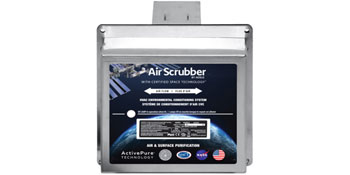
Air Scrubbers and Purifiers

The Environmental Protection Agency has established rules regarding the venting of dust and particulates from residential and commercial buildings. Lead and silica dust particles can cause serious health problems for people and pets, including the following:

  • – Lead dust has been linked to anemia, brain damage and kidney damage as well as nervous system damage during early stages of development.
  • – Silica dust can potentially cause lung cancer and other dangerous diseases of the respiratory system.


Air purifiers and air scrubbing devices can eliminate the need to vent dusty air outside and can protect you, your family and your neighborhood from the damaging effects of these dangerous dust particles. The technologically advanced filters used by these systems can capture particulates and keep them out of your home and your HVAC equipment. Asking if your contractor uses these air cleaning solutions can help you make a more informed choice when choosing a remodeling company for your upcoming home project.

Practical Measures

You can have a big impact on the operating health and efficiency of your air conditioning and heating systems by taking a few practical A/C precautions before remodeling starts:

  • Close the registers and vents in the area that will be under construction.
  • Shut down your air conditioner or furnace during the project if at all possible.
  • Clean the area frequently to eliminate dust on surfaces and floors.
  • Change your air filter before and after the remodeling process to ensure the most effective filtration of dust and particles.

These simple steps can make a big difference in your indoor comfort and the health of your family before, during and after your renovation project.

Professional Help

Working with a company that specializes in Sugar Land air conditioning repair can help you determine the most effective methods for protecting your home against dust during your upcoming project. These HVAC professionals can deliver the most reliable guidance regarding your heating and cooling system and the best ways to protect this essential equipment.

The Sugar Land HVAC repair and replacement experts at All Cool A/C and Heating can provide you with the professional advice needed to maintain a healthy environment inside your home during your remodeling process. Give us a call at 281-238-9292 to schedule a consultation with our experienced technicians and to learn more about how we can help you stay cool and comfortable all summer long. We look forward to the chance to serve your heating and cooling needs.