HVAC System Hurricane Preparedness

HVAC System Hurricane Preparedness

HVAC System Hurricane Preparedness

The NOAA Atlantic Hurricane Season outlook predicted between 14 and 21 named storms for this season, 6 to 11 storms developing into hurricanes, and 2 to 5 storms developing into major hurricanes. The 2023 season is living up to the prediction, with 15 named storms, 6 hurricanes, and three major hurricanes so far. Fortunately, the only major storm hurricane to make landfall was Lee. However, there are still two months left in this year’s season.

If you have lived in a hurricane-prone area for many years, you are aware of preparedness plans for various aspects of life. This is a hurricane preparedness plan for HVAC systems in the area.

Pre-season HVAC System Hurricane Preparedness

There are some general and specific preparation steps that you can take any time before the storm arrives, but they should not be attempted during the storm.

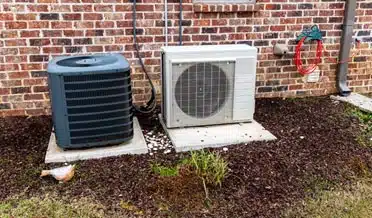
  • Trees and tree limbs may endanger a home and the immediate surroundings when hurricane-strength winds arrive. Remove trees and limbs that can damage the structure of the house and remember to protect the outdoor air conditioner condenser unit.
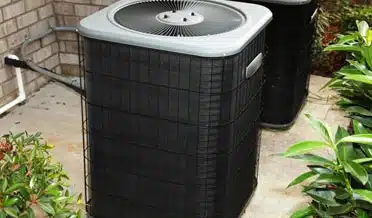
  • Find hurricane straps for the condenser unit, to secure it to the pad beneath it. Strong winds can pick the unit up and make it a dangerous airborne projectile. Consider buying a canvas condenser cover or making one from plywood.
  • Determine in advance whether to invest in a whole-house or portable emergency generator. Such plans take time to install a transfer switch, permanently install the generator, and plan for fuel storage.

Pay Attention

Hurricanes do not sneak up on people on the coast—storms are tracked across the Atlantic and a rather specific landfall is predicted several days ahead in advance. This gives residents several days to make minute plans before the storm arrives.

  • A part of that plan includes determining if and when your family will evacuate for severe hurricanes since evacuation is ill-advised during the storm.
  • Storing food, water, medicine, and emergency supplies is an essential part of preparedness.

Two Days Prior

  • Begin to cool the house down about 2 days before the storm arrives. The air conditioner should be shut off during the storm to avoid damage from power surges, so lower the thermostat by 5 to 10 degrees for comfort during the storm. This will cool the interior and furnishings in addition to the air.
  • If your preparedness plans include covering windows, now is the time to complete this task.

Hours Before

  • A severe storm will include a storm surge to the coastline, sustained winds of more than 100 mph, and torrential rainfall. The danger from lightning-induced power surges is very high, so flip the breaker at the service panel to shut the HVAC system off. If your home is supplied with natural gas, close the gas valve as well in case of structural damage.
  • If you prepared a condenser unit cover, now is the time to install and secure it. Do not run the air conditioner with the condenser covered, as this will lead to catastrophic system failure.
  • Go inside and stay inside until the winds subside. Stay tuned to local news/weather stations as long as possible.

When Calm Returns

After the storm itself, it will make some careful observations of the immediate surroundings. The power may be out for a while, which is why your plan included cooling the house before the storm.

  • Look for downed power lines and structural damage to the home. Remember, the ground will be saturated, so give downed wires a wide berth.
  • Remove the cover and inspect the condenser unit for damage. The materials that compose the condenser walls are thin and fragile. Look for an oily substance and listen for the hiss of escaping gas.

When the power grid is restored and you believe the HVAC system is intact, flip the circuit breaker to restore power to the HVAC system. Lower the temperature of the thermostat settings by a few degrees and determine whether the system is functioning properly.

Have questions about HVAC System Hurricane Preparedness, We Can Help!

Schedule your HVAC System Hurricane Preparedness consultation by calling All Cool AC & Heating at 281-238-9292 or contact us via email and let our NATE-certified HVAC Maintenance and HVAC repair technicians put their experience to work for you.

3 HVAC Maintenance Tips to Improve Efficiency

3 HVAC Maintenance Tips to Improve Efficiency

3 HVAC Maintenance Tips for Homeowners

Air conditioning is such a comfort during the long, hot summertime. All winter long, we look forward to summer fun in the sun. However, since the heat and humidity are so relentless, we seek relief whenever we go inside. Air conditioning has become so essential to our summer. It would be nice to find ways to enhance the air conditioning experience. Here are a few suggestions to enhance your HVAC Maintenance experience.

1 Keep the Heat Outside and the Cool Inside

This seems like a no-brainer, but to do it well it takes intentional actions.

  • The quality of insulation will become very evident during times of extreme temperatures—both hot and cold temperatures. Getting into the attic to add insulation during triple-digit or single-digit temperatures is not a wise decision. However, preparing for extreme temps while the temps are mild is a wise decision.
  • Windows transfer a tremendous amount of energy in the form of heat into the home. Sunlight is not the problem; it is the accompanying infrared energy that creates the heat. Floor and furniture surfaces are heated and retain the heat. Additionally, heat passes through glass readily, heating the inside air. Keep blinds and drapes closed during the midday period, opening them in the mornings and evenings to enjoy the natural light.

2 Keep the Thermostat Steady

It is tempting to use the thermostat inside like the fan switch on our car’s air conditioner, turning it up when you enter and down when the temperature drops. That might work in the small confines of a car, but it doesn’t work for a home air conditioner.

  • When the thermostat is set at 740 and the temperature rises to 750, the thermostat instructs the air conditioner to begin cooling the air. The cooling cycle may last for 5 to 10 minutes if it is functioning normally. Dropping the thermostat to 640 will also instruct the air conditioner to begin cooling the air. It will also take 5 to 10 minutes or so—not a minute less. Dropping the thermostat setting does not cool the space faster, but it does put tremendous stress on the air conditioner.
  • A better approach is to schedule the temperature setting, including any changes you might desire, and let the air conditioner do its job. If your family has a steady summertime schedule—leaving and returning at regular intervals—temperature changes can be programmed to coincide with the schedule. Program temperatures change and do not alter the schedule.

3 Schedule Filter Changes and HVAC Maintenance

Homeowners can enhance their air conditioner system by keeping it clean. Change the air filter regularly to keep indoor air clean and ensure a free flow of air. Scheduling annual preventative maintenance increases the performance of air conditioners and uncovers small problems before they become big problems.

We Specialize in HVAC Maintenance to Reduce Your Utility Bills

Schedule your free HVAC Maintenance consultation by calling AllCool AC & Heating at 281-238-9292 or contact us via email and let our NATE-certified HVAC Maintenance technicians put their experience to work for you.


HVAC Efficiency: Vaulted Ceilings Pros and Cons

HVAC Efficiency: Vaulted Ceilings Pros and Cons

HVAC Efficiency: How Vaulted Ceilings Affect Your AC System

As a design feature, vaulted and high ceilings remain very appealing for home buyers. These relaxing features often add natural light and add space without adding square footage. If your dream home features vaulted or high ceilings, there are some HVAC Efficiency details you should be aware of that affect heating and air conditioning functions.

Stating the Obvious—Heat Rises

Air molecules that absorb heat energy move more and are lighter, while molecules that have lost their heat energy are heavier and sink. This is true on a global scale and inside every home. Healthy indoor air quality requires air circulation and hot air stubbornly tries to stay high, resisting movement. Vaulted ceilings often have a thinner insulation layer, which serves to keep the air heated.

Problems develop when hot air resists movement in high ceilings.

  • That air becomes rather stale, and it doesn’t get cleaned often via the air filter.
  • Painted or stained surfaces suffer when constantly exposed to hot, moist air.
  • Stubborn hot air is helpful during the cooling season, keeping cool air down and hot air up. However, it is hard to overcome during the heating season because the furnace must work hard to heat higher spaces before the living area is heated.
  • The HVAC system works harder in both the heating and cooling seasons, trying to move that hot air. This places undue strain on the blower motor.

Potential Solutions

Sizing. The HVAC system in each home is customized for each home with a formula called a load calculation. A technician collects information, including square footage, insulation level, number of windows, and doors. High ceilings are a factor in determining the proper size of your system and the technician will add load for each foot of added space in each room. Little can be done with an existing HVAC system but make sure that the load calculation for your next replacement takes high ceilings into the calculation.

Circulation. Moving stubborn hot air is essential and can be accomplished by several means.

  • Using ceiling fans properly can move efficiently during both the cooling and heating seasons, but it requires a little information. Ceiling fans can turn in both a clockwise and counterclockwise rotation and the direction affects air movement. The counterclockwise rotation pushes air down and should be used during the cooling season. This mixes the air and allows the air conditioner to remove humidity while cooling the air. The clockwise rotation pulls air up during the heating season, pushing warm air out and down for comfort and mixing. Ceiling fans installed in vaulted ceilings usually have remote controls with rotation control.
  • When a heating or cooling cycle begins, supply air is pushed into space via vents, usually located on the floor. At the same time, air returns to the central cabinet via plenums found high on the wall on each story. Adding a plenum in or near a vaulted ceiling can adequately move the stubborn air resisting normal airflow.
  • It is generally best to leave the air conditioner fan in the hot, humid summer. Moving air is easy to keep moving, compared to trying to move stationary air.

Mini-split ductless solutions. Mini-split systems do not use ducts to move air but circulate air with small, room-sized air handlers. With this approach, the vaulted area can be zoned separately, and an air handler unit installed. This ensures that the air is being cooled and cleaned regularly.

We Specialize in HVAC Efficiency to Reduce Your Utility Bills

Schedule your free HVAC Efficiency consultation by calling AllCool AC & Heating at 281-238-9292 or contact us via email and let our NATE-certified HVAC technicians put their experience to work for you.

AC Maintenance: Best Air Filter for Your HVAC System

AC Maintenance

AC Maintenance: Best Air Filter for Your HVAC System

AC Maintenance: HEPA Filters vs Merv Filters

We all acknowledge the importance of air filters since they successfully remove dust, pollen, dander, and mold spores. They clean indoor air but also keep dust from interfering with the function of HVAC systems. Filters are not composed of solid sheets, but are fibrous, with gaps to allow airflow. The size of the gaps determines the size of particles that are captured and thus, their efficiency.

Since filters collect airborne particles with each cycle, the filter eventually clogs and needs to be replaced. The Environmental Protection Agency and all manufacturers of HVAC equipment recommend changing air filters AT LEAST every three months. Fortunately, air filters are commonly available in a variety of home improvement and hardware stores. However, due to the size of the openings in the fiber, not all filters are manufactured equally—neither do they claim to be equal. Packaging for filters from various sources often touts various ratings with different acronyms and numbers; some explanations may be in order.

FPR Rating

Home Depot developed the Filter Performance Rating for their own brand of air filters; ratings are identified as Good, Better, Best, and Premium. The FPR rating for Good range between 4-5, Better have a range of 6-7, Best has a range of 8-9, and Premium filters have a rating of 10. With each upgrade, more particles are removed. While not exact, the ratings describe the size of the particles each rating collects and helps consumers understand their products.

MPR Rating

3M has also developed a rating for its Filtrete brand of filters. Filtrete filters are manufactured and marketed to remove specific airborne particulates. Some filters target dust and allergens, others target odors, and others seek to trap bacteria and viruses. MPR ratings use four digits—the higher the number, the smaller the opening. Consumer packaging denotes the percentage of the targeted particulate that will be removed.

MERV Rating

In 1987, the American Society of Heating, Refrigeration, and Air Conditioning Engineers (ASHRAE) developed a Minimum Efficiency Reporting Value or MERV rating. Since they do not manufacture filters, the rating can be applied to all filters, including Filtrete and Hope Depot brand filters. The MERV rating is based on the gaps in the fibrous filter material. Since some particles are too large to enter the small gaps 100% of those particles are removed. With small gaps, some particles larger than the gap will be collected. MERV rating seeks to measure the amount of small particles trapped.

  • MERV ratings range between 1 and 20; the higher the number the smaller the gap and the higher the efficiency of the filter.
  • MERV-rated filters below 8 filter particles 10 and 3 microns.
  • MERV-rated filters between 8 and 14 are used in commercial and residential HVAC systems. They remove particles between 3 and 1 micron.
  • MERV-rated filters between 15 and 20 are designed for hospital and laboratory use. They remove particles as small as 0.3 microns—smaller than most bacteria and some viruses.

For comparison, human hairs are between 60 and 70 microns in diameter, common pollen is between 7 and 10 microns in diameter, spider silk is about 5 microns in diameter, and mold spores and bacteria are approximately 1 micron in diameter.

HEPA Filters

High-Efficiency Particulate Air filter is a designation by the Environmental Protection Agency for filters with gaps 0.3 microns or smaller. These filters collect and trap 99.97% of all airborne particles, including bacteria and viruses. HEPA filter applications include hospitals and laboratories but also are used in products that avoid allergic reactions.

It might seem appropriate to use the most efficient filter for health and safety. However, air filters with a MERV rating above MERV 14 are not appropriate for residential and commercial HVAC systems. Normal blower motors do not have adequate strength to push air through the extremely small gaps in highly efficient air filters. Consult with your HVAC professional before installing filters rated above MERV 14.

AC Maintenance Tips to Help with AC Filter Replacement are Just a Phone Call Away

Schedule your free AC Replacement consultation by calling AllCool AC & Heating at 281-238-9292 or contact us via email and let our NATE-certified HVAC technicians put their experience to work for you.
5 HVAC Maintenance Tips to Fight Seasonal Allergies

5 HVAC Maintenance Tips to Fight Seasonal Allergies

5 HVAC Maintenance Tips to Fight Seasonal Allergies

The pollination season for different plants triggers allergic reactions in various people and approximately 50 million Americans suffer from seasonal allergies. In the springtime, that yellow-green coating of oak pollen is a real problem; other contributors include cottonwood, elm, ash, and pecan. During the summertime, it is hay fever season; grass pollen is prolific and travels freely through the air. Ragweed and other wildflowers trouble Texas during the fall; we welcome any rain we get to wash the pollen from the air. Even in winter, cedar pollen causes allergies that mimic cold symptoms; it is called cedar fever.

Allergic reactions to organic particles in the environment, irritate the

  • Eyes, causing watery, itchy sensations
  • Noses, causing runny noses and mucus that irritates the skin
  • Upper respiratory system, with sneezing, coughing, and swollen sinuses (congestion)
  • Skin, with hives or rashes

Your HVAC system is designed to remove allergens from the air in your home, but there are some steps you can take to enhance the removal of the airborne particles responsible for seasonal allergies. Here are five HVAC Maintenance steps to address airborne allergens with your heating/cooling system.

  1. Use Quality Air Filters. Your HVAC system has an air filter located as the return air enters your HVAC cabinet. Make sure to use the right size and look for a filter with an appropriate minimum efficiency reporting value (MERV) rating. For most systems, a MERV rating between 11 and 13 is sufficient. They remove between 90 and 95% of particles, including pollen, mold, and mildew spores.

The key to keeping airborne allergens at bay is changing the filter regularly. In most cases, that means changing the filters every three months. However, if family members in your home have extreme allergies, you may need to change the filter more often.

  1. Clean the Pollen from Your Ductwork. Air circulates throughout your home in a series of sheet metal ducts. Any pollen that gets beyond the air filter can wind up in your ducts and if it has been a few years since they were cleaned, the accumulation of dust and pollen particles has built up inside. This pollen can be picked up to recirculate with any heating or cooling cycle. If seasonal allergies are a problem, make sure to clean your ductwork every three to five years.
  2. Keep the Fan On. Your thermostat has two fan settings—Auto and On. The Auto setting turns the fan on in conjunction with the heating or cooling cycle. The On setting turns the fan on continuously. The comparison of energy use between Auto and On is negligible and there are several benefits to using the On function.

When the pollen count is high indoors, continuously moving the air through the air filter reduces the amount of pollen still in the air. This option also works to keep the air temperature even during extreme temperature periods.

  1. Remove Humidity. Your air conditioner is designed to remove moisture from the air—as much as a few gallons of water per day. This is key to avoiding other sources of allergens—mold and mildew growth. Other sources of moisture in your home include bathrooms, laundry rooms, and kitchen. Care must be taken to reduce the amount of water allowed to stand about. These spaces usually have exhaust fans to remove excess moisture from the air; push the moisture outdoors for a few minutes after every summer shower or bath.
  2. Know When to Call HVAC Maintenance Professions. Ensuring that your HVAC system keeps functioning efficiently takes professional attention. Make sure to schedule an annual inspection and maintenance visit. While the technician is there, inquire about ultraviolet lights that can be installed inside the ductwork. UV light will destroy cell walls’ organic allergens, including pollen, mold, viruses, and dust mites. The inert remains can be collected by the air filter and removed from your home.

Let us help with your HVAC Maintenance!

Schedule your free HVAC Maintenance consultation by calling AllCool AC & Heating at 281-238-9292 or contact us via email.

Spring HVAC Maintenance

Spring HVAC Maintenance

HVAC Maintenance For this Spring

If April showers bring May flowers, what do May flowers bring? They herald the welcomed warmth of summertime. Don’t you just love the summer? So much to do and enjoy outside! Summer heat, the beach, grilling outdoors, and summer vacations are right around the corner. It’s all good if we have a respite from the intense heat, and air conditioning provides just the relief we need.

During extreme heat, the temperature difference between indoors and outdoors maybe 300 and that is quite a difference. Springtime is a great time to schedule an inspection and HVAC Maintenance for your air conditioner to keep it running strong all summer long. A tune-up cleans dust and grime from crucial components and ensures both the electrical and mechanical parts are functioning properly. This results in:

  • All the parts function as designed to keep your family comfortable, even during heat waves.
  • Identifies parts that might be under stress, allowing repair or replacement before the part fails.
  • A system that functions properly costs less to operate, so it saves on the utility bill
  • When a system is well-maintained, it tends to last longer, pushing an air conditioner replacement into the future.

If your air conditioner does struggle, no worries. But call as soon as possible since repair calls may triple or more during intense heat. Some sudden changes that indicate that your air conditioning system requires HVAC Maintenance include:

  • Warm Air When You Expect Cold Air. This is one of the most common problems. If the air is moving out of the vents but it is warm or not very cold, it indicates a problem with the refrigerant gas. The most common causes are gas leaking from the closed system or a compressor failure since the compressor is key to creating the cooling effect.
  • No or Low Air Movement. A powerful fan both pushes and pulls air, creating constant circulation during the cooling cycle. If no air is moving, it might indicate a problem with the blower motor that turns the fan. A switch or sensor may have failed, or it can indicate a compressor failure. If air is coming through the vents, but the volume of air is low, it might be a simple fix—a clogged air filter.
  • Inconsistent Cooling. If suddenly not all spaces are receiving adequate cooling, or if cooling is different between cooling cycles, it may indicate a problem with the thermostat. A simple fix is fresh batteries in the thermostat; a more profound fix may require replacement.
  • Water Leaking from the AC Cabinet. The air conditioner in the average home removes 3 to 4 gallons of water each day. The water usually falls to a floor drain or drains outdoors. If the drain line gets clogged, the water leaks into your home and can cause costly repairs. If a liquid other than water is leaking from the cabinet, this is a serious health risk and requires immediate attention.
  • Sudden Unusual Sounds. It is not unusual to hear some minor sounds during a cooling cycle that results from the contraction and expansion of the sheet metal vents. However, if you hear something new, different, or loud, such as screeching or grinding, moving mechanical parts are coming together in abnormal ways. This usually happens right before the failure of those critical mechanical components; make a call as soon as possible.
  • Sudden Unusual Smells. If an electrical part has failed, leading to a short circuit, the intense heat often melts wire insulation; it often occurs during a component failure. If the sudden smell is musty and unpleasant, it may indicate a problem with the ductwork. Moisture inside of the ducts or a leak in the duct may have led to the growth of mold or mildew. These cause multiple health problems, so they must be addressed immediately.

Let us help with your Spring HVAC Maintenance questions!

Schedule your free Spring HVAC Maintenance consultation by calling AllCool AC & Heating at 281-238-9292 or contact us via email.

4 Furnace Maintenance for Homeowners

Furnace Maintenance

Furnace Maintenance Tips You Need to Know

When your HVAC system was installed, it was customed-fit to meet the heating and cooling needs of the space in your home with well-designed components. However, like every well-designed mechanical system, it needs periodic maintenance; some maintenance tasks can be completed by homeowners, and some will need to be completed by HVAC professionals. Here are a few helpful Furnace Maintenance tasks any homeowner can complete to keep their system functioning efficiently.

Furnace Maintenance: Replace Your Filter Regularly

You are very familiar with the heating and cooling function of your system, but it also provides a vital purpose in cleaning the indoor air. An air filter removes a significant amount of dust and dander, made more important during the winter when windows and doors remain closed. When too much dust accumulates on the filter, this creates problems for the system.

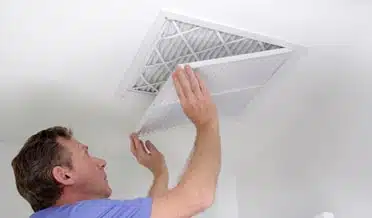
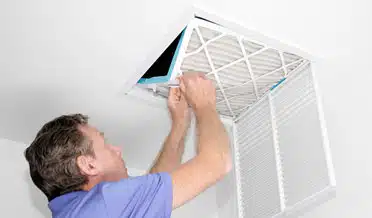
A clogged filter reduces the amount of air that can pass through the filter and, as you know, your heating system depends upon great air movement. So, to keep your air clean and your home warm, change your air filter regularly. You can find the air filter in the furnace cabinet, located where enters the cabinet from the rest of the house. The filter size is printed on all four sides of the filter. Purchase the correct-sized filter, slide the old filter out and slide the new filter into the slot. For most homes, the filter should be changed once every three months; if your filters are very dirty each time, consider changing the filter every two months.

Furnace Maintenance: Use Your Thermostat Intentionally

Old-style thermostats were merely switched on the wall to call for heat or AC as needed. Newer thermostats are programmable, and some come with Smart capabilities, so there is a little bit of a learning curve for using them properly. New thermostats use batteries and batteries will need to be changed—a good rule is to remove them annually. Occasionally, the thermostat setting does not match your indoor experience. If this happens, a professional may need to recalibrate the thermostat; this can be completed during an annual preventative maintenance visit.

Both programmable and Smart thermostats can be used to customize a schedule of temperature changes to improve comfort and save money. Research has shown that reducing your thermostat setting by 70 or more for at least 8 hours can save approximately 10% on your heating bill. Finding an 8-hour window is not as hard as it sounds: lower the temp at night while the family is sleeping or away during the day. Since it is programmable, you can schedule a warm-up 30    minutes before the alarm clock sounds to ensure a comfortable morning.

Furnace Maintenance: Keep The Ductwork Clear

Ducts supply warm air throughout the house and return cool air back to the furnace to be warmed again. Openings in the ductwork are scattered around the house strategically, including supply vents and cold air returns. It is not usual for furniture, accessory, or drapes to completely cover these openings and restrict the free flow of air. Do a regular inspection of the vents and returns to ensure they are all open. For best results, have your ductwork cleaned regularly—schedule duct cleaning every 3 to 5 years or as needed.

Furnace Maintenance: Schedule Professional Maintenance Annually

Even when you complete these simple maintenance tasks, your HVAC system should be inspected, cleaned, and fine-tuned annually. A technician will check the electrical and mechanical components to keep your system running efficiently, making needed repairs as they arise. Catching small problems early can avoid large problems, giving longer service life for the entire system.

Have questions about Furnace Maintenance? We can help!

Schedule your free Furnace Maintenance consultation by calling AllCool AC & Heating at 281-238-9292 or contact us via email.


Energy Efficient Heating Tips for Winter

Energy Efficient Heating

Energy Efficient Heating Tips for Homeowners

When the utility bill arrives, there is often a quick twinge of panic and a desire to find Energy Efficient Heating methods to result in energy lower costs. Oh, and if we could find some Energy Efficient Heating hacks that cost absolutely nothing, that would be even better! Well, hang on, because we have a few real Energy Efficient Heating tips. You might not be able to use them all, but see how many will help.

Energy Efficient Heating: Solar Energy Hacks. The sun delivers 10,000 times more energy to the earth than the amount of energy that people use. If you stand in front of a window on a cold, sunny day and you will appreciate passive solar gain. Capturing a portion of the sun’s energy inside your home will save you money.

  • Winter sun is low in the sky during the winter and high in the sky in the summer. A low sun pours more sunlight into your home on winter days.
  • The sun allowed inside warms the flooring, the furniture, and the walls. This energy radiates into the air in your home, raising the temperature by as much as 150 on a sunny day.
  • Windows are the key to solar gain. New double-paned windows trap heat in the space between glass panes and that costs nothing. Open the drapes and blinds during the day on South-facing windows between 9 am and 3 pm on sunny days. Close the drapes and blinds after the sun sets to reduce the amount of heat escaping into the cold, dark night.

Energy Efficient Heating: Fan Hacks. To maximize solar gain, move the free solar heat with ceiling fans. The wintertime setting for ceiling fans turns the fan in a clockwise rotation; this pulls air up and pushes the warm air toward the outside of the room, and potentially into other areas of the house. Set the fan at the lowest speed and move this air around. Also, use kitchen and bathroom exhaust fans sparingly. The air being pulled outside is warm, air—the kind of air you are trying to keep indoors.

Energy Efficient Heating: Thermostat Hacks. The thermostat is a switch that turns the heat on or off based on a pre-determined temperature setting. All but the oldest thermostats are programmable; that is, you can program the switch to change the temperature on a timed schedule. How does that help?

  • Be slow to switch the heat (or AC) on at the season change. Develop a little tolerance for a cooler temperature setting. Set the temperature at the lowest comfortable setting for your family.
  • The EPA has demonstrated that if you lower your thermostat setting by 7 to 10 degrees for a minimum of 8 hours, you will save 10% on your heating bill.1  That does not cost a thing and you enter the scheduled changes only one time.
  • There are two ideal times to program a reduction in temperature for 8 hours: overnight, while everyone is sleeping, and during the day, while the whole family is away from home. Try a few different schedules to see which works for your family.

Energy Efficient Heating: Appliance Hacks. Some of your household appliances create significant heat for cleaning and cooking. Wash dishes and clothes later in the day to fully appreciate the heat they generate. Exhaust the hot, moist air produced by showers during the summer, but retain it in the winter as much as possible. Cook and bake to your heart’s content on cold days; exhaust only the most disagreeable cooking odors.

Energy Efficient Heating: Maintenance Hacks. Make sure to follow your manufacturer’s user guides concerning regularly scheduled preventative maintenance visits; annual maintenance is usually the guideline. Be sure to change your air filter regularly, at least every three months. These steps keep your HVAC system functioning efficiently and this saves you money.

Have questions about Energy Efficient Heating? We can help!

Schedule your free Energy Efficient Heating by calling AllCool AC & Heating at 281-238-9292 or contact us via email.

Energy Efficient Heating

1 https://www.energy.gov/energysaver/programmable-thermostats#:~:text=Thermostat%20Operation&text=You%20can%20easily%20save%20energy,asleep%20or%20away%20from%20home

5 Essential AC Maintenance Tips

5 Essential AC Maintenance Tips

AC Maintenance Tips for Homeowners

Heat and humidity seem to be our constant companions during the summer months. Your air conditioner is a critical key to keeping your family comfortable during the long Texas cooling system. We often share tips with homeowners for maintaining air conditioners, but it may be good to know there are more steps you can take to help keep your house cool beyond your air conditioner. While these steps cannot take the place of AC, they certainly can help. Let’s take a look at some of these AC Maintenance steps.

“Use” Sunlight Wisely

Everyone loves natural light flowing into their home. However, summertime sunlight equates to an increase in indoor temperature. Closing blinds and/or drapes during the day will reduce sunlight and keep your home cooler during the hottest part of the day. Tree shade and directional facing will be different for each home; know how to keep your home cooler.

Plan Meals

Oven-cooked meals might be perfect during cooler months, but they put stress on your AC and warm your kitchen significantly. There are several options available to keep your kitchen cooler.

  • Set one day aside to cool meals for the week. This reduces the number of hot days in the kitchen
  • Plan to cook outdoors.
  • Use energy-saving appliances, such as air fryers and electric pressure cookers

Schedule Cleaning

Clothes dryers and dishwashers contribute a little bit of heat and humidity to your home and impact comfort. If you plan to run these devices in the evening hours, during the coolest part of the day, they should have a minimal impact on your comfort and help with energy conservation.

Redirect Your Ceiling Fans

Ceiling fans will not lower the air temperature but moving air speeds evaporation and therefore the air feels cooler. On the core of each ceiling fan is a small toggle switch that changes the direction of the fan. When the fan turns in the counterclockwise direction, it pushes air down and creates a cool breeze. Make sure each fan is turning counterclockwise during the summer to keep your home at peak comfort.

Address Problem Areas

If one or more rooms are consistently warmer than the rest of the house, don’t ignore the fact and research the root cause. Inspect every surface:

  • Check the attic for poor insulation
  • Check the windows and doors for leaks
  • Check the ducts to make sure they are intact and not leaking.

Of course, taking care of your air conditioner goes a long way toward keeping your home comfortable. Every mechanical system needs maintenance, and your air conditioner is no different. Cleaning the condenser coil, and ducts, and changing air filters are a few maintenance tasks that help your AC run efficiently. A regular preventative AC Maintenance inspection is recommended by your AC manufacturer.

Give All Cool AC a call to schedule an annual preventative AC maintenance visit with an HVAC professional.

Let us help with your AC Maintenance

Schedule your AC Maintenance assessment by calling AllCool AC & Heating at 281-238-9292 or contact us via email.

5 Essential AC Maintenance Tips

6 Tips HVAC Maintenance Tips for Homeowners

6 Tips HVAC Maintenance Tips for Homeowners

6 Tips HVAC Maintenance Tips to Better Energy Efficiency

Air conditioning is such a comfort during the summertime; stepping out of oppressive heat and humidity into a cool, dry environment is both welcoming and relaxing. The converse is also true.

Stepping into a home and expecting air conditioning but being disappointed is very stressful and troubling. Wise homeowners don’t just assume their AC will work but take the HVAC Maintenance extra steps to ensure it is kept in good working order.

Change Your Air Filter Regularly

A dirty, clogged air filter leads to two major problems for air conditioners. First, it causes your blower motor to work harder than it should. While the blower fan moves large volumes of air—the entire volume of your home every 2 or 3 minutes—a clogged filter reduces the airflow, and the blower motor must work harder to complete its task.

Second, the evaporator coils bring very cold refrigerant gas into the evaporator chamber. Warm air from the house is being drawn through the filter and exchanged the heat for cold.

Reduced airflow causes humidity to freeze on the coils and this reduces the exchange of heat and cold. Expect warmer air from the air conditioner with an extremely clogged filter.

 Clean Your Evaporator Coils and Drain Pan

In addition to exchanging heat with cold, the evaporator removes humidity from the air when it condenses on the coils. By tripping the circuit breaker-marked AC and removing a few bolts, you can access the evaporator chamber and do a little maintenance. First, observe the coils—often a V-shape—and vacuum away any accumulated dust.

Second, observe the drain pan, looking for debris or algae buildup. Carefully pour a cup of bleach or vinegar into the drain pan as a deterrent to algae growth. You may need a wet/dry shop vacuum to clean out algae buildup in the drain lines. After you have returned the chamber cover and flip the circuit breaker back to the ON position.

Clean Your Condenser Unit

Stepping outside, locate the air conditioner condenser unit, a small, boxy component with a prominent fan on the top. The refrigerant gas has collected heat from your home in the evaporator chamber and brings it outdoors for release. The entire box is composed of a network of tubes with very small fins.

Airflow through this network transfers the heat to the moving air and cools down quickly. Quickly, unless the airflow is restricted by the accumulation of dirt, grass clippings, and debris. Use a garden hose—not a power washer—to gently clean the spaces between the tubes and promote good airflow. Trim any hedges and remove any debris within about 3 feet of the condenser.

Check Vents and Registers

In order for air conditioning to work properly, air must flow in large volumes. A normal 15-minute cooling cycle will move the entire volume of your home 7 or 8 times, maybe more. It moves that volume of air unless, of course, the vents and registers in the home are covered. Check each room and find one or more registers on or along the floor.

Rooms with more square footage will have more than one register. Make sure they are not covered by furniture or drapes. Each level of the home will have one or more return air vents.

Observe the vents about ¾ of the way up walls, perhaps in hallways or open spaces. Make sure that furniture and drapes do not cover your vents and reduce air movement.

Program The Thermostat for Summertime

Many homes have programmable or Smart thermostats. This allows homeowners to customize the temperature settings to match the family schedule and comfort levels. Summertime schedules change, so make sure to keep the settings adjusted to the season.

Consider adjusting the setting while the family is sleeping or away, reducing the demand for energy. Create a 30-minute buffer right before the alarm clock sounds or the first family member returns.

Plan an Annual HVAC Maintenance Tune-up

Scheduling a visit from an HVAC Maintenance professional to clean, inspect, and test the system is a sure way to keep your system running for as long as possible. The additional HVAC Maintenance care ensures that components function properly, gas levels are appropriate, and connections are maintained. This HVAC Maintenance TLC lengthens the serviceable life of your entire system.

Time for HVAC Maintenance?

Schedule your upcoming HVAC maintenance appointment by calling AllCool AC & Heating at 281-238-9292 or contact us via email.

6 Tips HVAC Maintenance Tips for Homeowners