Furnace Maintenance: Detailed Explanation of the Process

Furnace Maintenance

How Furnace Maintenance Protects Your Home and Health

This is the time of year to complete a routine checkup for a residential furnace; this is a responsible maintenance step for homeowners. Check-ups ensure that the furnace is prepared to function properly and efficiently all winter long. Maintenance often uncovers a weakening part that might create a breakdown. Maintenance is much preferred to experiencing a breakdown at the most inopportune time during a deep cold snap.

Furnace Maintenance might seem like a slight, even unnecessary, task. To fully appreciate the work provided by trained professionals, it might be useful to know what happens and why the maintenance tasks are important. So, what is involved in furnace maintenance?

There are three types of furnaces used in our region:

  1. Natural gas-powered furnaces
  2. Electric furnaces
  3. Heat pumps

All three types of furnaces use some of the same components. Maintenance will inspect, clean, and test these components to enhance performance and efficiency. These parts include:

  • Electrical controls. Furnaces employ a complex network of sensors, switches, and control devices that detect temperature, turn various components on and off, and set limits for safe functioning. The current that flows through these control mechanisms ranges from 220 volts to 14 volts; needless to say, it is extremely important to know the difference between electrical currents.
  • The main ON/OFF switch is called the thermostat, that small control device attached to the wall. Thermostats are usually battery-powered, and the checkup will include changing the batteries.
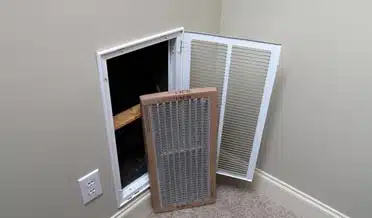
  • A network of ducts transports the heated, conditioned air throughout the home and brings it back to the furnace for redistribution. A heater maintenance visit will include a general inspection of the visible ductwork to uncover glaring problems.

Gas-Powered Furnace Maintenance

These furnaces create heat by the combustion of natural gas. Natural gas is both flammable and explosive. Combustion produces both carbon dioxide and carbon monoxide. Both gases are lethal when introduced to the indoor air. For these reasons, it is vitally important to check the system for safety as well as efficiency.

  • The ignition system receives an electronic signal, calling for a heating/burning cycle. Old systems used a pilot light. New systems use an electronic ignition system to light the flame. Dirt and soot can interfere with proper ignition, so it needs to be carefully cleaned.
  • A burner assembly burns the natural gas in a chamber to collect the heat. Another product of the combustion of natural gas is water vapor. When water vapor contacts cast iron, rust will develop. The burner assembly needs to be inspected and cleaned for both safety and efficiency.
  • The combustion chamber is a heat exchange chamber that transfers the heat to an outer chamber. Rust is corrosive and can create openings in the heat exchanger and exhaust pipe, allowing exhaust to enter the home with disastrous consequences.

Preventive furnace maintenance of natural gas-powered furnaces is very important.

Electric Furnace Maintenance

These furnaces use electrical resistance to create heat. Current passes through a strong heating element and the element gets red hot—about 1,1000 Fahrenheit. Air is passed over the heating elements and blown into the home. Furnace maintenance includes inspection of the elements and controls.

Heat Pump Maintenance

Heat pump furnaces do not create heat; they simply move heat from outdoors. It is the air conditioner in reverse. Instead of moving heat inside the house to the outside, it moves heat from outside the house inside. This will only work efficiently until the outside air drops below 350, when it becomes harder to collect heat from outdoor air. Heat pumps use a heating element system as a backup. Maintenance for a heat pump includes:

  • Testing the refrigerant gas that makes heat transfer possible.
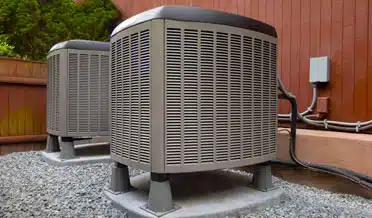
  • Cleaning and inspecting the outdoor condenser coil
  • Cleaning and inspecting the indoor evaporator coil

Boost Performance and Longevity with Regular Furnace Maintenance From All Cool AC & Heating

Don’t risk a breakdown in the freezing cold—ensure your home’s safety and comfort by scheduling your essential furnace maintenance today. The experts at All Cool AC and Heating are ready to inspect your system, enhance its efficiency, and prevent those costly winter surprises. Call All Cool AC & Heating now to book your appointment and prepare for a worry-free winter!
How Often Should You Change Your AC Filter?

AC Filter

Stop Stressing Your HVAC: The Dangers of a Clogged AC Filter

Homeownership is a part of the American dream. However, homeownership also includes several regular maintenance tasks, that, if neglected, can result in disagreeable results. Gutters without guards need to be cleaned regularly to prevent clogged downspouts. Battery-powered devices (such as smoke detectors and thermostats) need the batteries replaced to make sure they function properly when called upon. One such simple maintenance task that should not be neglected is changing the air filter on the heating/cooling system.

How Dirty is Indoor Air?

The air inside our home seems so very clean. You do not realize how many airborne particles are floating around inside until the late afternoon light shines through the window and illuminates the dust particles. The sources of most particles are quite simple and unavoidable:

  • Most indoor dust particles are skin cells from human and animal inhabitants that naturally flake off.
  • Wind and motion stir up fine dirt particles that find a way indoors.
  • Pollen follows us indoors or is generated by household plants.
  • Exhaust from various sources brings both gas and particulate matter also collect indoors. That includes exhaust from outdoor sources (internal combustion engines and industrial activities) and indoor activities (candles and tobacco smoke).

It seems that indoor air is not as clean as it seems. Air filters provide a vital service to ensure our homes are healthy spaces to live.

Why Change the AC Filter?

Air filters are very efficient, removing most airborne particles. Since the entire volume of air passes through an air filter several times per heating or cooling cycle, the airborne particles quickly coat the filter surface. When the collection builds up, the clogged air filter reduces the amount of air that can pass through the filter. Both heating and cooling functions require vast amounts of air movement through the air handler cabinet. Restricting airflow creates tremendous stress on the blower motor and the electrical control mechanisms that direct the comfort cycles. The result of ignoring a clogged filter is similar to driving a car with the emergency brake on.

How Often Should the AC Filter Be Changed?

Each home is unique, and each family is unique.

  • Some homes are located near pollution sources with exponentially more airborne particles than most homes, like dirt roads or active construction sites.
  • Some family members have asthma, allergies, or breathing difficulties and need more frequent filter changes.

A very general rule of thumb is to change the filter every three months/four times per year, but your home might require more frequent changes. Purchase adequate filters for a year and schedule prompts on a family calendar or phone app. Use whatever makes sense to you:

  • The official change of seasons
  • Birthdays or holidays, or
  • Any other pneumatic device that will remind you of this important maintenance task.

Beyond the AC Filter: Schedule Maintenance to Check for Hidden HVAC Damage

You can handle the AC filter replacement, but don’t ignore the hidden damage a clogged filter may have already caused your system. Protect your expensive HVAC equipment from premature failure by scheduling a professional maintenance appointment today. Our expert technicians will inspect your unit for stress and ensure all components are running smoothly and efficiently. Call us now to book the vital service your system needs for long-term health.

Schedule your next AC maintenance appointment with All Cool AC & Heating today to take advantage the long-term rewards of a well-maintained system.

Katy Texas AC Maintenance Explained

Katy Texas AC Maintenance Explained

How Often Should AC Maintenance Be Done?

After a lengthy summer, with plenty of hot, humid days and nights, fall is upon us. The temperatures will finally cool off a bit, so for the next few months, the mild temps and drier air will create a mild reprieve for your air conditioning system. The demand for this vital system decreases radically. This is an excellent time to complete some much-deserved preventative AC maintenance for the air conditioner.

A lot is said about AC maintenance. However, the majority of conversations originate from individuals who provide AC maintenance services. Is this conversation self-serving or a public service? Actually, the conversation arises from technicians with decades of experience in the heating and cooling industry, and they know the difference regular AC maintenance makes.

How Routine AC Maintenance Delivers Lower Energy Bills

  • AC Maintenance measurably improves the efficiency of an air conditioning system; most air conditioners are 5% more efficient annually with regular maintenance.
  • This efficiency can be measured in a way that really matters—lower energy bills each month.
  • A well-maintained system keeps indoor air quality measurably cleaner, making the air healthier and the home less dusty.
  • Regular AC maintenance adds years of serviceability to a system; maintained systems generally last 5 years longer than those without maintenance.

How Often is AC Maintenance Really Necessary? The Honest Answer from the Experts

Each year, for the benefit of customers, air conditioner technicians remind homeowners to maintain their systems, and those who heed the message reap the benefits.

What is involved in maintaining an air conditioner? Regular AC maintenance includes three main tasks—cleaning, inspecting, and testing.

  • The primary purpose of an air filter is to clean the air, and it cleans the air very efficiently. To ensure the air filter performs well, it needs to be cleaned or replaced at least quarterly. A preventative maintenance visit will include replacing the filter and a reminder to the homeowner to schedule regular replacement every three months.
  • Two coils facilitate the transfer of heat, the process that we recognize as air conditioning. A major requirement for these coils to function is that they are kept clean, but dirt, dust, pollen, and yard debris threaten to gum up the coils. The outdoor coil, the condenser, can be cleaned with a garden hose. The indoor coil, the evaporator, is found in the air handler closet. It can be cleaned with a spray bottle filled with a cleaning solution. However, damaging either of these coil sets can be detrimental to your HVAC system. Cleaning should be left to the professional to protect your system components.
  • A visual inspection is made of the entire system. This often catches obvious issues, such as a worn or cracked belt in the blower motor assembly, a loose electrical connection, or other evidence of wear. Drain pan and drain lines are inspected for water build-up or clogs.
  • Extensive testing will be completed, using specialty tools and training. The refrigerant gas must be maintained within a narrow pressure range to affect cooling. The refrigerant is transported through a network of tubes, flowing inside and outside, and through both coils. The smallest of nicks or flaws will release this gas into the atmosphere. This is not good for the system or the environment.
  • An air conditioner is controlled by a complex electrical network of sensors and controllers. The current passing through wires may carry as little as 14 volts or as much as 220 volts. Testing takes the proper equipment and training. Finding and replacing a weakened control mechanism can keep a small issue from becoming a major problem.

Spring and Fall: The Best Times You Need to Schedule AC Maintenance

Ultimately, scheduling professional AC maintenance twice a year—ideally in the spring and fall—is the single most effective way to protect your investment, ensuring maximum efficiency and cleaner indoor air. This routine commitment to cleaning, inspection, and testing not only lowers your monthly energy bills but also significantly adds years of reliable service to your air conditioning unit. Don’t wait for a breakdown; schedule your next appointment with All Cool AC & Heating today to reap the long-term rewards of a well-maintained system.

What to Do About an AC Refrigerant Leaks

AC Refrigerant Leaks

Don’t Ignore an AC Refrigerant Leak: Your System Depends on It

As summer winds down and the cooler weather approaches, the trusty air conditioner continues to perform the tasks of cooling, cleaning, moving, and dehumidifying indoor air. However, if an air conditioner’s performance is declining, it should cause a homeowner to take notice and call for an AC maintenance technician to inspect the system. 

Air conditioning systems do not use fuel; they use a manufactured gas, designed to readily transfer heat, deemed a refrigerant or coolant gas. An air conditioner requires a static amount of refrigerant gas to cool the space properly. When the gas pressure decreases, the system tries to continue the cooling process without the proper refrigerant gas. When the air conditioner tries so very hard with inadequate pressure, it will cause crucial components to overheat and fail. This damage is usually very expensive, leading to the replacement of the entire air conditioner system.

AC Refrigerant Leaks? Here’s Why You Need a Pro

What causes a loss of refrigerant pressure? A weakness in the network of tubes that house and transport gas will occasionally result in a minute pinhole, but just enough for the gas to leak away. Since the gas is always under pressure, even a very small hole will release all of the refrigerant gas. Leaks often develop in the weakest portion of the system:

  • Joints between portions of tubing
  • The two major coils, where tubes are bent at 900 angles repeatedly

AC Refrigerant Leaks can also occur whenever the system’s tubing is damaged by contact or movement.

AC Refrigerant Leaks can be very difficult to locate and correct.

  • The leaks are usually very tiny holes, leaking minute amounts of gas. Gas will continue to leak even when the air conditioner is not running, since the gas remains under pressure at all times.
  • When the gas has completely leaked away, it is nearly impossible to locate the source of the leak. Often, additional refrigerant will need to be added to find the leak, knowing the gas will be leaking away.
  • The entire system will need to be checked, both indoor and outdoor components. Some of these components are difficult to reach.

Once the leak has been found and sealed, the whole system will be vacuumed completely to remove the air, various gases, and any other substance that made its way into the tube network. The vacuum will remain in place for a given time as a final pressure check; if a leak remains, the vacuum will be broken, allowing air into the system. The whole process will need to be repeated until all of the leaks have been sealed.

Refrigerants are not environmentally friendly, so it is important to find leaks and fix them quickly. Since they pose a threat to the ozone, the US Environmental Protection Agency is continuously seeking better, more friendly refrigerant gases. Over the last few decades, the EPA has changed the acceptable formulas for residential air conditioning systems.

  • Certain gases have been discontinued and have not been manufactured for several years. The gas for these systems is very scarce, may not be available, and the available gas for these systems is extremely expensive.
  • Certain gases have been discontinued and are no longer being manufactured, but a supply remains available. Refrigerant for these systems may be available, and the gas will be expensive.
  • All refrigerant gases are expensive and should not be allowed to escape into the environment if possible.

If your air conditioner is performing poorly, do not delay. Call us for service to test the refrigerant level. It could save your system from failure, save you money in repairs, and help preserve the environment.

Why an All Cool AC & Heating Professional is a Must for an AC Refrigerant Leak

Addressing an AC refrigerant leak quickly is crucial to prevent expensive damage to your system and protect the environment. Because these leaks are difficult to locate and fix, a professional All Cool AC & Heating technician is required to properly seal the leak and recharge the refrigerant. Don’t delay—call for service to save your system from failure and avoid costly repairs.

Your Essential Fall AC Maintenance Checklist

Fall AC Maintenance

Don’t Wait for a Breakdown: The Case for Fall AC Maintenance

As Summer ends, it brings several very familiar and welcome occasions:

  • The beginning of the school year: buying school supplies, meeting new teachers, and taking those “first day in a new grade” pictures for the scrapbook.
  • Friday night lights!!
  • Saturday College Football.
  • The promise of cooler temperatures and lower humidity. The summer was great; everyone loves summer. But Fall has its own pleasures, and everyone looks forward to its arrival.

After months of dealing with the extreme heat and humidity of Summer, this is also a great time to give your air conditioner a much-needed AC maintenance visit, a Fall reset.

Why recommend AC maintenance at the tail-end of summer?

  • The AC components have worked hard all summer long. If there are noticeable weaknesses in the air conditioner’s performance, they will be detected now.
  • An AC maintenance appointment now will prepare it for the cooling season next year.
  • If you have a heat pump, these same components will continue to perform through most of the winter heating season as well.

This hard-working system needs regular AC maintenance to function at peak efficiency. Air conditioner repairs and replacements slow down during the Fall months, so the AC maintenance schedule is less congested.

Clean, Check, Change

AC maintenance tasks may vary, but the most common tasks fall under three categories.

Cleaning

The air filter, so important to indoor air quality and air conditioner function, is a good starting place. If it has been a while since you last changed your filter, expect to hear some encouragement to change the filter at least quarterly.

  • While checking the air filter, if the vents appear to be excessively dusty, our AC maintenance technician may recommend that they be cleaned. (Most air conditioning contractors do not clean vents.)
  • The outdoor condenser unit needs to be cleaned annually. The condenser walls are composed of a vast network of tubes with very thin fins of aluminum. The tubes and fins are designed to dissipate the heat collected inside into the outdoor environment. A large, central fan pulls copious amounts of air through the network to cool them. Sticky pollen, dust, and yard debris get pulled onto and into the network, making the condenser work much harder than it should. A good cleaning with a garden hose washes this collection away.
  • A similar network of tubes is found inside the air conditioner cabinet. This network is called the evaporator coil, and it exposes the hot air from the house to the cold of the refrigerant. Since the air is humid and the evaporator coil is cold, the coil stays wet from the condensation that collects on it. Dust that bypasses the filter will collect here as well, making the evaporator coil work harder. The drain pan that collects the condensation and the drain line that carries it away will also be cleaned and flushed.

Checking

  • The refrigerant pressure level will be checked. A loss in pressure is serious, since it indicates a leak. Loss of refrigerant will bring cooling to a halt and can cause serious damage to expensive components.
  • Electronic controls and sensors will be checked for performance. Constant use creates wear, and this is normal. Common wear patterns happen, so a technician will know where to look first.
  • The thermostat will also be checked. Most thermostats are programmable, but many homeowners do not know how to make scheduled temperature changes. A technician will check thermostat settings and answer questions concerning programming temperature changes.
  • The overall performance of the air conditioning system will also be checked. An air conditioner should provide a minimum temperature change during a cooling cycle. A cooling cycle should achieve the desired temperature change within an acceptable time.

Change

If the cleaning and checking uncover a problem or deficiency, the technician will recommend replacing failing parts before they fail altogether.

Let All Cool Give Your HVAC System the All Clear with Fall AC Maintenance

As summer ends, your AC unit deserves a reset and a professional AC maintenance tune-up to ensure it’s in top condition. This simple AC maintenance call with All Cool AC & Heating can save you from a costly repair down the line and guarantee your comfort for next year. Don’t wait for a breakdown to schedule service—get ahead of the game and enjoy the peace of mind that comes with a well-maintained HVAC system.

Why Indoor Air Quality Matters for Your Health

Indoor Air Quality

Breathe Easy: Your Guide to Better Indoor Air Quality

During the Industrial Revolution, we polluted the air we needed to breathe to enrich our lives and make us comfortable. During the late 1800s, burning coal for heat, energy, and industry led to a toxic soup of polluted air hovering over major cities. A similar problem arose in the early 1900s with the introduction of internal combustion engine vehicles.

A large city quickly accumulated millions of cars, trucks, and trains, and there were no emission control standards. The pollution reminded folks of fog, so smoke/fog was shortened to “smog.” Outdoor air was affected, as well as the indoor air quality of our homes and businesses.

After creating the mess, we worked on complicated methods to clean the air with a series of Clean Air Acts. Environmental scientists worked hard to reduce the concentration of particulate matter in the air, and politicians worked on laws to enforce air quality standards to keep us from poisoning ourselves. 

These standards control the contamination from:

  • The burning of fossil fuels for energy
  • Industrial pollutants that are released
  • Emission standards for planes, trains, and automobiles

Today, large cities in the U.S. enjoy incredibly clean air in comparison to other industrialized countries. Of course, there is always room for improvement, so the battle for clean air continues. There are many sources of air pollution that the U.S. Environmental Protection Agency cannot control or regulate. They include:

  • Pollen, mold spores, and other organic sources
  • Smoke from wildfires that often travels thousands of miles
  • Global pollution from other countries with lower air quality standards

Another very important development is in the area of health care. Medical professionals gained a clearer understanding of the long-term health concerns surrounding poor air quality. Yes, poor air quality contributes to breathing problems and cancer rates, but it also contributes to infant mortality and low birth weight.

Although we enjoy relatively clean air, we should also have a great concern over indoor air quality in our homes and gathering places, such as businesses and schools. Everyone should be much more conscious of indoor air quality, and outdoor air quality.

Why does indoor air quality matter?

  1. Although we love the great outdoors and fresh air, we also love simple comforts, such as avoiding extreme heat, extreme cold, and high humidity. The average American spends 90% of their life indoors, at home, school, work, or in the conditioned space of vehicles.
  2. Indoor air is actually outdoor air that has migrated to indoor spaces. That means that whatever pollutants are abundant in outdoor environments are also in indoor spaces. However, since these spaces are enclosed, ventilation is reduced, and the concentration of pollutants grows larger. Add to this the pollutants added by everyday life, including cleaning, cooking, and simply breathing, and the concentration of air contaminants is 5 to 8 times more concentrated indoors.
  3. Since poor indoor air quality can lead to or trigger health problems, indoor air quality becomes extremely important to all involved.

Since indoor air quality is so important, home and business owners should be very informed about their heating, ventilation, and air conditioning systems. These building systems:

  • Move air around, maintaining fresh air. Blower motors can move the entire volume of indoor air every few minutes of a heating or cooling cycle.
  • All of that air moves through a very efficient air filter that traps and removes the vast majority of airborne contaminants, including many organic pollutants. Changing the air filter at least every three months removes these contaminants from a home or business forever.
  • Regular AC maintenance keeps an air conditioner/furnace running efficiently and extends the useful years to the system. Many of the AC maintenance tasks include cleaning pollutants from components, since dust, pollen, and dander force the system to work hard to achieve its purpose.

Improve Your Indoor Air Quality with All Cool AC and Heating

Do you have questions about the indoor air quality of your home? All Cool AC & Heating is the expert in Katy, Texas, in improving your indoor air quality. Our team can quickly assess your home’s unique needs and recommend advanced indoor air quality systems like air purifiers, humidifiers, UV-C filter systems, and whole-home air purification systems. Schedule a consultation today to improve your indoor air quality and start enjoying cleaner, fresher air in your home.

Ultimate Guide to Essential AC Maintenance

Ultimate Guide to Essential AC Maintenance

Maximize Your AC’s Lifespan: The Importance of Regular AC Maintenance

The heat and humidity this summer will have your air conditioner running overtime to keep your family comfortable. To give you an idea of how hard it is working, if your thermostat calls for 3 to 4 cooling cycles per hour, your air conditioner will complete between 500 and 700 cooling cycles per week. Since it works this hard each week, and the cooling cycle lasts for 8 months or more, admittedly, it could use some AC maintenance and care.

Essential AC Maintenance Tasks

During an annual AC maintenance visit, our professionally trained technicians will complete some very necessary AC maintenance tasks, including:

  • Replace the air filter. The air filter seems like a rather simple feature of an air conditioner system, but it serves several important functions. It efficiently collects dust and dander, but the collection eventually clogs the filter and limits airflow, thereby limiting the cooling capacity of the AC. (Expect to hear encouragement to replace the air filter quarterly, like clockwork.)
  • Other components also need to be cleaned, notably the condenser coils outdoors and the evaporator coils indoors. These coils transport heat via the refrigerant gas, from inside the home to the outdoors. Dust and pollen collect on the tubes and inhibit heat transfer. Cleaning the dust away is essential for maintaining air conditioning function.
  • Testing and inspection. Various electrical parts are prone to wear, so the technician will use testing equipment to ensure all is well. The refrigerant level will also be tested, since a drop in pressure indicates a leak of the valuable gas.

AC Maintenance Benefits

Completing these tasks will certainly:

  • Reduce repair costs. The testing and inspection is designed to uncover problems with the complex electronic controls while the problems are small. If left undiscovered, the stress of a small problem spreads to other components. A small, inexpensive repair can quickly grow to a much larger, expensive repair.
  • Catching small repairs early usually extends the useful life of the air conditioner system, often putting off replacement by 3 to 5 years.
  • Keeping the system clean and running smoothly improves the energy efficiency of the air conditioner; an air conditioner that works harder requires more energy, costing more money to operate.
  • Keeping the system clean and running smoothly also improves the indoor air quality inside the home.

AC Maintenance Savings

Regular maintenance will result in long-term savings, since:

  • AC Maintenance tends to uncover problems early and allows their repairs before trouble spreads. That usually results in a much smaller repair bill.
  • Since AC maintenance improves efficiency, it usually lowers the monthly electric utility bill.
  • If maintenance extends the useful life of your system, it allows the air conditioner to function three to five years longer, increasing its value and putting off replacement.

The Power of Proactive AC Maintenance From AllCool AC

Given the constant stress placed on your HVAC unit, neglecting its upkeep is a surefire way to invite costly repairs and premature system failure. Regular AC maintenance is a simple yet powerful way to ensure your air conditioner runs efficiently, extends its lifespan, and saves you money on energy bills and future repairs. By scheduling a professional AC tune-up, you are making a smart investment in the comfort and longevity of your home’s cooling system.

All Cool AC & Heating AC repair and AC maintenance professionals can assist with your Katy Texas AC repair and maintenance needs. Schedule your AC service or replacement appointment by calling All Cool AC & Heating at 281-238-9292 or contact us via email, and let our NATE-certified AC Repair Katy technicians help you improve your indoor air quality.

Your AC and Indoor Air Quality

Your AC and Indoor Air Quality

Beyond Cooling: The AC’s Role in Healthy Indoor Air Quality

While we celebrate summertime with lots of vacations and outdoor activities, summertime also unleashes a three-prong barrage against our location: extreme heat, extreme humidity, and excessive pollen. All three of these features also seem to attack homes as well. But air conditioners are very capable of handling the summertime trio and managing indoor air quality.

  • An air conditioner uses heat transfer to remove heat from the home and release it into the outdoor atmosphere. The point of the released heat is the outdoor condenser unit. A large fan in the center of the condenser draws cool air across the coils containing hot refrigerant gas, cooling it before it cycles back indoors.
  • The humid air from indoors is brought into the evaporator chamber of the air conditioner. In this chamber, the refrigerant gas is cold. The humidity condenses on the evaporator coils, drips to a drain pan, and drains away.
  • As the indoor air circulates through the air conditioner system, an air filter traps airborne particles, including pollen and other contaminants, to improve indoor air quality.

How Regularly Scheduled AC Maintenance Improves Indoor Air Quality

So, your air conditioner works heroically to remove heat, humidity, and airborne particles all summer long.

Air conditioners require regular maintenance and may occasionally need repairs. The AC repairs come as a result of wear and tear on these very components that remove heat, humidity, and pollen from the indoor air.

  • AC Maintenance includes keeping both the condenser and evaporator coils clean.
  • Changing the air filter needs to be completed every three months to protect indoor air quality and keep the system functioning properly.

Common AC Problems and Their Impact on Your Indoor Air Quality

Beyond maintenance, air conditioners need repair, especially as the system ages. Some of the most common AC repair issues include:

  • The refrigerant gas is kept under pressure all year round. During cooling cycles, the refrigerant reaches about 6 times the pressure of a system at rest. Any flaw or damage to the system’s tubing will result in a loss of gas, identified by a loss of gas pressure. This is a common repair to air conditioner systems.
  • A powerful motor drives a fan. This fan moves the entire volume of air in the home every few minutes. The motor and drive features, usually a belt, can wear and break. This is a common repair to air conditioner systems.
  • The entire system runs and is controlled by a complex system of sensors and switches. Use of these sensitive parts creates wear; they need to be replaced occasionally, and this is a common repair as well.
  • The master control for an air conditioner is the thermostat; it serves as the ON/OFF switch for the entire system. The sensitive nature of a thermostat makes it necessary to replace or recalibrate.

An important fact to know about an air conditioner system is the age: how long the system has been functioning. Air conditioners typically last 15 to 20 years. As the system reaches the end of its useful function, repairs can be more extensive and expensive. Work with a contractor to determine the proper time to replace it rather than repairing the system.

Your Katy Experts in AC Repair & Maintenance for Superior Indoor Air Quality

Maintaining your AC is crucial for not only comfort but also for ensuring healthy indoor air quality in your home. For reliable AC maintenance and repair services that prioritize your family’s well-being, trust the experts at All Cool AC and Heating.

All Cool AC & Heating AC repair and maintenance professionals can assist with your Katy Texas AC repair and maintenance needs. Schedule your AC service or replacement appointment by calling All Cool AC & Heating at 281-238-9292 or contact us via email, and let our NATE-certified AC Repair Katy technicians help you improve your indoor air quality.

AC Repair Emergency: Your First Steps When the Cooling Stops

AC Repair Emergency

Facing an AC Repair Emergency? What to Do When Your Home Heats Up

Coming home or waking up to an unexpectedly hot house during the summer months can be quite alarming. After the initial shock and distress, it is time to take action. When a cooler head prevails, here are some steps to prepare for restoring air conditioning to your household during an AC repair emergency.

AC Repair Emergency: Quick Checks Before You Call for Help

Do some initial investigation.

  • Is the air conditioner receiving power? If not, first check the electrical service panel and find the circuit breaker marked “Air Conditioner.” If the breaker is tripped, turn it completely off and then on. Wait a few minutes. If a cooling cycle begins, be very observant. If the breaker continues to trip, a serious problem may have developed. If the breaker has not tripped, check the thermostat to make sure all the settings are correct. The indicator should be on COOL, and the temperature setting should be five degrees cooler than the indoor temperature.
  • Is the air conditioner running, but the air is hot and humid? First, check the air filter. A clogged air filter can restrict air flow through the air handler and interfere with the cooling function. Change the air filter and wait for results. If the cooling function returns, make sure to mark your calendar for a filter change every three months.
  • Is the air cool, but not cool enough to bring the home to the desired temperature setting? Are some areas cooler than others? Is the air cool, but the humidity high?
  • Next, look around and take notice of unusual sights, sounds, and smells. The presence of ice or a large water leak is a very important indication to your air conditioner technician. If the system is buzzing, screeching, or bumping, locate the noise, but do not touch anything. Flip the breaker to prevent further damage and wait for professional help. The air coming from the supply vents should be as fresh as the air in the home. If something smells bad or a little off, make a note of what you are observing.

Create a short list of your observations:

  • The condition of the air filter. If you change the filter, but the cooling function does not return, don’t discard the filter yet; the technician may want to observe the filter.
  • Write down the temperature setting and the actual temperature at the thermostat. The indoor temperature might change before the technician arrives.
  • Write down any steps you might have taken, for example, turning the system off, then rebooting like a computer. Record the results.
  • Write down all of the observations you made.

Now it is time to call the AC repair emergency professionals at All Cool AC and Heating. A wise homeowner will have developed a relationship with a local air conditioning company and perhaps have a favorite technician. Such contractor relationships help during times of emergency, and we are motivated to retain loyal customers. 

All Cool AC and Heating: Your Partner in Handling an AC Repair Emergency

When your HVAC system experiences an AC repair emergency, staying calm and performing these initial checks can help you understand the problem and provide crucial information to your technician. Remember, a trusted relationship with an experienced professional, like those at All Cool AC and Heating, ensures you’ll receive prompt, reliable service when you need it most. Don’t sweat it—we’re here to help restore your home’s comfort quickly and efficiently.

All Cool AC & Heating AC repair and maintenance professionals can assist with your Katy Texas AC repair emergency needs. Schedule your AC service or replacement appointment by calling All Cool AC & Heating at 281-238-9292 or contact us via email, and let our NATE-certified AC Repair Katy technicians put their experience to work for you.

5 Indications You Need AC Repair Katy

AC Repair Katy

Don’t Sweat It! Key Indicators Your Katy AC Need Repair

Some experiences cause us to stop and consider important life choices. Summers in Katy, Texas, when the temperature and the relative humidity are racing to get to 100 first, might just be one of those choice-questioning events. When you start asking the question, “Why here?”, remind yourself of these two bits of encouragement:

  1. The winters are nice.
  2. We have air conditioning!

Remember that air conditioners need maintenance, and occasionally they need repairs. What are some of the key indicators that an air conditioner needs repair?

5 Indications You Need AC Repair Katy

AC Repair Katy Indication 1: AC Not Working

Stating the obvious, when the air conditioner does not run at all, it is a clear sign that something is amiss. Before calling the technician, check the circuit breaker marked AC; if the circuit breaker is tripped, reset the breaker. If the air conditioner returns to normal, some anomaly may have been responsible. If the breaker trips again and will not stay on, a repair is needed.

Another cause for the air conditioner not working might be the thermostat. The thermostat can be found on an inside wall away from the open sunlight. There are several settings on the thermostat that can cause the air conditioner not to work:

  • A battery charge indicator. The thermostat runs on household batteries. If the batteries are low, the thermostat should indicate the problem, and the air conditioner will not work.
  • An ON/OFF function. This should be set to ON
  • A HEAT/COOL function. This should be set to COOL
  • A temperature setting. There are two temperatures indicated on the thermostat. One is the actual temperature indoors, and the other is the air conditioner setting. When the actual temperature rises above the air conditioner setting, it calls for cooling.

Make sure that all thermostat indicators are correct. Fix them before calling for a repair. If this does not solve the problem, call a technician.

AC Repair Katy Indication 2: Warm or Hot Air

The air blowing from the supply vent should be 15 to 20 degrees lower than the air in the home, usually between 55 and 60 degrees. When the air is noticeably warmer or just hot, it may indicate a serious problem. Before you call the technician for a repair, check the air filter. A fully clogged air filter restricts the air flowing across the evaporator coils, reducing the amount of cooling that can happen. Check the air filter and change it if necessary, before calling a technician for repairs.

AC Repair Katy Indication 3: High Relative Humidity

If the temperature is almost right, but the indoor humidity is as high as the outdoor humidity, it may indicate a repair needs to be made. The moisture is removed in the evaporator chamber, so check that air filter for this problem as well. The warm air inside the home must pass over the cool coil of tubes in the evaporator. If a dirty filter prevents or restricts the airflow, this could be the problem. If the filter is new, call a technician for a repair.

AC Repair Katy Indication 4: Sight, Sound, Smell

Air conditioners run in the background noise of a normal household. If you notice something different, do not ignore obvious facts.

  • If water suddenly flows from the air handler closet, it can be one of several problems, but it should result in a call for repair.
  • If the system suddenly begins to make unusual noises, loud buzzing, cranking, or screeching sounds, or loud banging noises, call a repair technician immediately.
  • The air blowing from the supply vents smells different from normal household odors; it usually indicates a problem that needs to be fixed.

AC Repair Katy Indication 5: High Electric Bills

It might take a while to attract attention, but if the electricity bill suddenly spikes, it may indicate a problem with the air conditioner. Do a little research to see if the use of electricity, measured in kWh, spikes year to year during the same month. This indicates a loss in efficiency and signals that a repair needs to be made.

Staying Cool When the Katy Heat Is On

Living in Katy, Texas, means embracing the heat, but it doesn’t mean you have to suffer through it indoors. Your air conditioner is your best friend during those long, hot summers, and recognizing the AC Repair Katy signs of trouble early can save you a lot of discomfort and expense. Whether it’s a complete shutdown, warm air, excessive humidity, strange noises or smells, or a surprisingly high electric bill, your AC often gives you clues when it needs attention.

Don’t ignore these indicators. A little proactive AC Repair Katy troubleshooting and knowing when to call our professional team can ensure your home remains a cool, comfortable sanctuary, even when the temperatures outside are soaring. So, keep an eye—and ear—on your AC, and enjoy your cool retreat!

All Cool AC & Heating AC Installation professionals can assist with your AC Repair Katy needs. Schedule your AC service or replacement appointment by calling All Cool AC & Heating at 281-238-9292 or contact us via email, and let our NATE-certified AC Repair Katy technicians put their experience to work for you.