Indoor Air Quality: Poor IAQ Can Trigger Respiratory Issues

Indoor Air Quality: Poor IAQ Can Trigger Respiratory Issues

Reducing indoor allergens that can trigger respiratory problems

If you suffer from respiratory illnesses such as asthma or severe allergies, each season carries unique indoor air quality struggles. During the summer and winter months, you are tempted to keep the windows and doors closed for comfort, but stale air and airborne particles recirculate.

The pleasant outdoor temps of spring and fall tempt you to open windows, but both are prime pollen and mold seasons. When you struggle to breathe, indoor air quality (IAQ) is a concern no matter the season.

“Most of the things that cause problems are odorless,” says Dr. Nicholas BuSaba, associate professor of otolaryngology at Harvard -Medical School. “So, in many cases, there’s nothing to alert you to the problem.” Symptoms and flare-ups might be the first indication of poor indoor air quality, followed by fatigue, sleepiness, and digestive problems.

Steps to Improving IAQ

If you live with asthma or allergies, there are measures you can take to improve indoor air quality and prevent the onset of flare-ups. It is not possible to eliminate all allergens, the key is to reduce the numbers and therefore your exposure to them. Here are a few strategies you can take to reduce airborne particles and breathe easier.

Clean Thoroughly

Having a regular house cleaning regime is an important step in removing particulates before they become airborne again.

  • Focus on obvious surfaces, such as furniture and accessories, but look for dust, dander, and pet hair in hard-to-reach areas as well. Use cleaning products manufactured to hold dust. Remove clutter that traps and holds dust.
  • Vacuum carpets and area rugs regularly, perhaps as often as twice weekly. Use a vacuum cleaner equipped with a HEPA filter.
  • Wash bedding and drapes often, especially if you share your home with pets. Don’t forget the items dogs or cats frequently lie on. Use the hot water cycle on your washing machine—the water should be at least 130° Consider dust mite-proof covers on bedding and mattresses/box springs.

In-door Plants: A Positive or a Negative?

In-door plants add beauty and ambiance to your home and they are oxygen-producing additions. So, is there a problem? In general, plants help with indoor air quality, but the soil they reside in might be a source of mold spores and flowers a source of pollen.

Allergens affect individuals differently. This might be a problem you have not considered. Overall, if your respiratory issues are severe, consider whether the green is worth the risk of attacks.

Change filters often

Be aware of appliances around the house that have filters and clean or change them often. Vacuum cleaners have filters. Clothes dryers have filters. HVAC systems have filters. Every time you clean or change a filter, you are removing very fine airborne particles from your indoor space.

Manufacturers recommend changing the HVAC system air filter every three months, but if you suffer from a respiratory illness, change the filter more frequently.

How often? Perhaps monthly during spring and fall pollen season. Since airborne particles are also trapped in your ventilation ducts, plan on having them cleaned regularly.

Consider an Air Purifier for Better Indoor Air Quality

If indoor air quality is important because of respiratory illnesses and your home has unique problems related to airborne particles, additional technology might help. If you live near a construction site, near a busy thoroughfare, or on a dusty road, you might need more than just the HVAC air filter.

If your family pet makes your eyes water or the plant Granny gave you causes you to sneeze, consider an air purifier. Portable ionic air purifiers are affordable solutions to help capture irritants that may trigger your symptoms.

They come in attractive styles and can be placed near the source of the problem. You might consider a dehumidifier for troubling sources of humidity that can lead to mold and mildew growth.

Fresh Air is the Best!

It is important in every season to open windows and doors to release stale air and contaminants and to fill the house with fresh air. Find a day with moderate temperatures and open up… A complete exchange of air happens approximately every 15 minutes.

Want more information about Indoor Air Quality? We Can Help!

If you are considering improving your Indoor Air Quality, call us at 281-238-9292 or contact us via email.

Connect with All Cool AC and Heating on Facebook.

Indoor Air Quality: Poor IAQ Can Trigger Respiratory Issues

The Ultimate Indoor Air Quality (IAQ) Guide

Ultimate Indoor Air Quality (IAQ) Guide

Indoor Air Quality (IAQ) Guide

Most people consider air quality a given, something we can always count on, both indoors and outdoors. A visit to an area with poor air quality or stepping into space with poor indoor air quality will make you appreciate the good fresh air.

This is a guide to help you understand the things that threaten Indoor Air Quality in homes and offices and the dangers the poor Indoor Air Quality Guide poses to health. It also covers solutions to help you remove problems before they affect health and comfort.

Indoor Air Quality Defined

Indoor air quality is defined by the depiction of concentrations of pollutants and thermal conditions that may negatively affect the health, comfort, and performance of a building’s occupants. (Sam Kubba PH.D., LEED AP, in Handbook of Green Building Design and Construction (Second Edition), 2017)

Just like your golf score, the lower the number of particulates in the air the better. The poor indoor air quality will lead to health issues, reduced productivity at work and at school, and trouble sleeping. When poor air quality permeates a building, it is often referred to as “sick building syndrome.” Good indoor air quality improves health, productivity, and sleep.

Have We got Your Attention?

When you hear the word “pollution,” normally outdoor pollution comes to mind. We read big headlines about spills (on land or water) and smog released into the air that has a negative effect on the environment and poses health risks to people who come in contact with the pollution.

Since people spend at least 80% of their time indoors, Indoor Air Quality is an important consideration for our everyday lives. Clean air is essential for good health! Common effects of poor Indoor Air Quality include headaches, allergy symptoms, and fatigue, but it can also lead to more serious, long-term health respiratory issues.

Poor IAQ will also complicate existing respiratory issues such as asthma, COPD, and cancer. It is important to identify sources of indoor air pollution.

Indoor Air Pollution Sources

Pollen. The top indoor air pollutant in homes and businesses is common pollens. More than 50 million Americans suffer from seasonal allergies. The chief offenders include:

Grass pollen—leading to what is commonly called “hay fever”

Tree pollen—from March to May different trees bloom and release copious amounts of pollen

Wildflowers—Ragweed, everyone’s favorite, is one of many common wildflowers that negatively affect folks in late summer and fall

Dander. Both pets and humans have small pieces of skin and hair that flake off and become airborne. Dander is smaller than dandruff and is too small to be noticed unaided. It is the chief diet of microscopic insects known as dust mites.

Since dander is microscopic, it becomes airborne and enters human respiratory systems, leading to allergies.

Dust. Most dust is microscopic—you only see approximately 1% of dust is visible in that sunbeam streaming through your window. Since 99% of dust is invisible, it is a much bigger problem than most realize, as dust transports viruses and bacteria throughout indoor spaces.

Fungus Spores. Mold, mildew, and mushrooms/toadstools reproduce via tiny spores, only 3 to 40 microns in size—only half the width of a human hair. Spores cause allergy symptoms in humans and some can result in serious illnesses. Air-borne spores also propagate the growth of mold and mildew inside your home.

Gases. Some homes have indoor combustion sources, such as fireplaces, gas furnaces, ranges, and candles. New furniture and carpet give off volatile organic gases (VOC). Internal combustion engines in the garage, including automobiles and lawnmowers, release carbon monoxide and carbon dioxide, which makes its way into the house via doors and windows.

This collection of gases contributes to indoor air quality and can cause respiratory problems, even death.

Human Symptoms of Poor Air Quality

How can you tell whether poor air quality has affected you or your family’s health? The particulates listed above attack your respiratory system in very predictable ways, from minor annoyances to serious life-threatening problems. Symptoms include:

  • Dry, itchy eyes, nose, and throat
  • Sinus congestion, sneezing, and coughing
  • Sensitivity to allergies and shortness of breath
  • Headaches and fatigue
  • Dizziness and nausea

If these issues persist and just won’t go away, it could be some other sickness or it could be poor indoor air quality.

House Symptoms of Poor Air Quality

In addition to health symptoms, your home may exhibit signs of poor Indoor Air Quality. Home symptoms include:

  • Excessive dust. Dust normally collects on surfaces, but when excessive dust can be seen, it may indicate poor Indoor Air Quality. Significant dust will also collect on your cold air return.
  • High Humidity. Ideal indoor humidity should be kept between 35 and 50%. Less than that will cause dry, itchy skin and respiratory illness; more than that leads to mold problems.
  • Mold or mildew growth. If your HVAC system is not removing water vapor from the air as designed, mold and mildew can grow in unexpected places.
  • Unpleasant odors. Foul odors from mold/mildew, chemical smells, or an earthy “dirt” smell may be an indication of poor Indoor Air Quality.
  • Poor air distribution. Hot or cold spots around the house can indicate system problems. Air that does not circulate as needed may allow air to grow stale.
  • Poor HVAC performance. A failing HVAC system contributes to poor Indoor Air Quality by not distributing fresh air properly or not filtering particles adequately.

Improving Indoor Air Quality

Understanding the causes, symptoms, and warning signs of poor Indoor Air Quality, what can be done to improve the quality of air in your home? Here are the top ways to maintain clean indoor air in your home:

  • Change your HVAC Filter. HVAC stands for heating, ventilation, air conditioning system and it provides warm or cool fresh air. This system’s job is to circulate the fresh air throughout the house. While it is circulating, the air passes through a filter.

    If the filter is operating correctly, dust and other particulates build up and the filter will appear “dirty.” The air filter should be changed at least every three months. Other factors, such as multiple pets or serious illness in a family member might require filter changes.

You will also find filters in other household appliances and these filters will need to be cleaned or replaced as necessary. Look for filters in vacuum cleaners, clothes dryers, and kitchen vents.

  • Clean your air ducts. As the ventilation system moves air throughout your house, it also travels through a series of ducts, both to and from the blower component. Dust, dander, and other particles accumulate overtime on the sides of the ducts.

    Proper maintenance for your HVAC system includes periodic cleaning of the ductworks; an annual cleaning is recommended. Without this cleaning, the particles continue to recirculate throughout the house repeatedly.

  • Your carpet is acting as a filter. Carpets and rugs are actually good at catching dust and other particles, acting as an air filter. Cleaning your carpets regularly, at least weekly, will improve IAQ in your home. If you live near a dirt road, a construction site, or a busy highway, your carpets may need to be cleaned more frequently.
  • Control indoor humidity. Your AC system also removes water vapor from the indoor air, you may see the water dripping from the condenser unit. As mentioned earlier, dry air may cause skin or respiratory dryness, but moist air encourages mold and mildew to grow.

    This growth will most likely be found in the ductwork, where it comes in contact with both moisture and organic material, such as dust.

  • Indoor plants can help. Small indoor house plants, such as ferns and lilies, will act as nature’s air filter and through photosynthesis, convert a portion of the carbon dioxide into oxygen. Even a few plants can make a difference, so give it a try.

    Larger plants like bamboo, aloe vera, agave, and lantana give an indoor air quality boost and add beauty to your home.

  • Boost IAQ with an air purifier. If someone in your family has a serious health concern if your home environment suggests that you need more than a regular air filter or for your peace of mind you are considering improving Indoor Air Quality, investigate whether an air purifier might be in order.

    Following is a list of the types of filters and purifiers available and the use for each. Some air purifiers are capable of removing 99% of the dust, dander, pollen, and mold spores circulating through your system.

Types of Filters and purifiers

  • Filters. The first line of defense in your HVAC air purifying system is your air filter, usually a paper filter with openings as small as 5 to 10 microns. Since we are not used to thinking in those measurements, a human hair is between 20 and 70 microns in diameter. This filter is generally positioned to filter air before it enters the blower chamber and gets recirculated.

    Most dust is larger than 5 microns, so this filter traps the lion’s share of larger particulates. Some filters are disposable and some are washable/reusable. Some filters will have an activated charcoal layer. The voids on the surface of the charcoal trap gaseous odors, such as volatile organic compounds (VOC), fumes, and food odors.

The next step is HEPA filters, or High-Efficiency Particulate Air filters, with openings as small as 0.3 micrometers in size. HEPA filters are capable of trapping mold, bacteria, and some viruses.

ULPA, or Ultra-Low Penetration Air filters have an even smaller opening and achieve standards needed in industrial clean rooms and the nuclear power industry. ULPA filters remove particulates as small as .12 micrometers, which is 99.9995% of air particulates.

For best results, you will need to use a regular air filter and a HEPA/ULPA filter in tandem.

  • Ionizing Purifiers. The in-duct ionizing purifier can be added to your HVAC system. An ionizing purifier emits negative ions, giving particulates, like dust, an electric charge. You experience ionization when you rub a balloon on your hair and stick it to the wall. Electrically charged particles stick together, become larger, and are more easily trapped by filters.The ionizing purifier also has metal plates with a positive electric charge to attract negatively charged particles. Ionizing purifiers have the added benefit of removing smoke and odors from the air. Negative ions make people feel refreshed, like the air after a thunderstorm.
  • Ozone Generators. Ozone generators turn oxygen (O2) into ozone (O3). Ozone is effective in removing particulates from the air and is commonly used for smoke abatement after a fire. The treatment is remarkable and leaves a room or furniture smelling great.However, ozone must be generated in large concentrations to be effective and a large concentration of ozone is toxic to humans. Low concentrations of ozone are not very effective at removing particulates. While it has useful applications, ozone is not recommended for ongoing home use.
  • Ultraviolet light. Ultraviolet radiation neutralizes microorganisms, such as viruses, bacteria, and mold spores. The light is installed inside of the ductwork prior to the air filter. The neutralized organic material is more easily trapped in the filter and no longer poses a threat to your family.

Does your home need an Air Purifier?

An enhanced air filter in your HVAC system removes approximately 99% of airborne pollutants if you change your filter as required and keep your ductwork clean with an annual cleaning. That leaves 1% of all particles, but some home environments require special care.

  • Families with severe allergies—An air purifier can help reduce the amount of pollen or other allergens and provide greater comfort.
  • For families with respiratory illnesses or a compromised immune system—exposure to recirculating infectious microorganisms needs to be eliminated.
  • Families with other nearby environmental pollution sources—air purifiers can make home a refuge.

This information is provided for the purpose of helping you determine whether your home would benefit from an air purifier. Allcool has extensive experience installing the following products and considers them the best products on the market for the Houston area. We recommend them to your family should you need enhanced air purification in your home.

Whole House Exact Fit Media Air Cleaners by Ruud

  • This enhanced filter system was designed to fit any Ruud central heating system, making the air in your home cleaner and more comfortable.
  • Exact Fit System – Cabinets are an exact-fit system solution to your Ruud residential air handlers and gas furnaces providing quick installation by your HVAC professional.
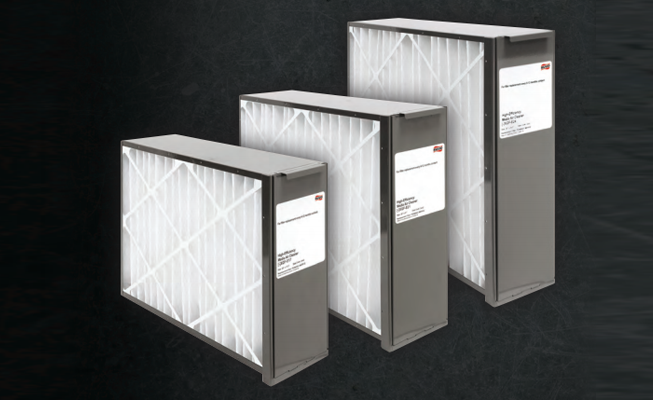
  • Each cabinet includes one MERV 8 media filter. A 4” Deep-Pleated Filter maximizes the surface area of the filter and lasts up to one year before replacement.
  • Traps and Filters – Reduces major pollutants, such as dust and pollen, from the air passing through your HVAC systems.
  • Finish – Steel gray paint matches Ruud equipment.
  • 5-Year Limited Warranty* – We stand behind our warranty and make it easy for our customers to work with us.

AccuClean™ Whole-Home Air Cleaner

  • Removes up to 99.98 percent of allergens from the filtered air
  • Catches particles down to .1 microns in size (ULPA)
  • Eight times more effective than the best HEPA room appliance
  • 100 times more effective than a standard one-inch throwaway filter
  • Delivers cleaner air and more of it
  • Reusable filter can be cleaned by vacuuming

REME HALO Whole Home In-Duct Air Purifier

  • The REME HALO® in-duct air purifier utilizes RGF’s proprietary Reflective Electro Magnetic Energy technology.
  • Installed into the supply plenum of your existing HVAC air ducts, the REME HALO® in-duct air purifier produces ionizing plasma that is distributed through the air handler, through the duct system, and into the conditioned living space.
  • The REME HALO® ionizing plasma sweeps through your home, actively purifying pollutants at the source.
  • The charged plasma induces particles to coagulate or stick together making them bigger and easier for your filter to catch.
  • Easily integrated with your existing HVAC system. The unit doesn’t take away any living space and operates silently
  • Two (2) quick release features for easy, no tool, cell replacement

Pure UV CleanCoil Germicidal UV Light

  • CleanCoil eliminates 99% of viruses, bacteria, and mold by cleansing airflow as it passes through the ductwork of your central air system.
  • Powerful UV-C technology eradicates harmful mold and bacteria when installed near the evaporator coil, prolonging the life of your HVAC system for long-term savings and fewer maintenance visits.
  • CleanCoil distributes UV energy uniformly in all directions through the duct to cleanse the air
  • Reduces allergies and helps prevent illness
  • Prevents the growth of mold and bacteria on system components
  • UVC serves as a chemical-free solution
  • Extends life and efficiency of HVAC system for long-term savings

Air Purifiers and COVID-19

The Covid-19 pandemic left us in our homes for months and since the virus is new, many questions have been raised concerning safe ventilation and air purification.

Because the virus is new, answers came slowly and information has been very confusing. After a year, a little testing has given us some insight into effective mitigation for this virus.

If someone in your home has Covid-19, an air purifier will not prevent the spread of the virus from each sneeze or cough. The virus travels in water droplets and lands on surfaces. However, the virus is approximately 0.125 microns in size and travels in droplets larger than 1 micron.

The enhanced filtration and air purification described above have demonstrated to easily and effectively remove air-borne viruses including Covid-19. Both the CDC and MD Anderson Center encourage enhanced filtration and air purification measure for homes with a particular need to mitigate Covid-19.


HVAC System: Top 5 Causes of HVAC Failure

HVAC System

HVAC System Tips for Optimal Efficiency

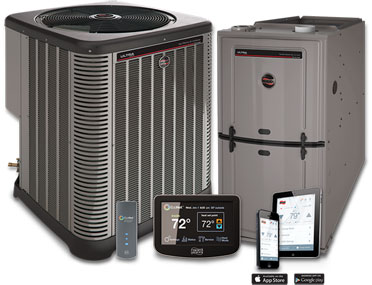
Your home’s HVAC system is composed of several mechanical components working together, designed to keep your home safe and comfortable. It provides adequate ventilation, clean air and regulates temperature throughout your living space.

When each component functions properly you barely notice, but when something is wrong, everyone knows.

When your system fails you are aware of the discomfort because of seasonal temperatures. However, malfunctioning heating and air conditioning can also lower indoor air quality, affect health and raise energy costs unnecessarily. If your system fails, check these five things before you call an HVAC professional.

The Top 5 Causes of HVAC Failure

Check the Electrical Breaker

If the HVAC system will not work at all, go to the electrical panel and check for a tripped breaker. The panel door depicts which breaker supplies the HVAC system—usually, more than one breaker supplies the system. If the breaker is tripped, it is in a neutral position.

If you wiggle it gently, it will move both right and left. Turn the breaker off and then turn it to the “on” position. In both the on and off position the breaker will be firm, with no more wiggle.

If this is the only problem, the breaker will restore power to your system and it will return to normal use. The breaker might have tripped for a number of reasons. If the breaker trips again, contact a professional electrician to investigate the problem. It is no longer a DIY project.

Dirty Air Filters

The easiest DIY preventative maintenance task you can do for your system is to change the air filter. The filter will be positioned for easy accessibility and collects dust and pollutants before the air is heated or cooled. This keeps dust out of vital mechanical components and traps them before they can be redistributed.

An air filter will continue to collect pollutants even when it is dirty; however, the dust and pollen build up over time and slows the airflow, which and makes the blower motor work much harder. Plan on changing your filter at least every 3 months, but be aware that your home may require more frequent changes.

Factors such as living on a dusty road, near construction or having several pets might necessitate frequent filter changes.

Filters are readily available at hardware and DIY centers. Air filters come in a variety of materials, including washable filters for reuse. Explore your options.

Impeded Air Flow

The duct system transports clean conditioned air throughout the home, unless something is blocking the airflow. Occasionally a homeowner will not notice a room vent and place furniture or accessories on the vent, blocking airflow. Also, check the dampers on the room vents to ensure they are in the open position.

Your ductwork system may also have dampers in the main supply lines which regulate airflow. These dampers are designed to balance the flow of air for seasonal changes. If dampers are not balanced properly, you will experience uneven heat or AC in some rooms, while proper dampening will heat and cool rooms evenly. Uneven heating and cooling adds stress to your HVAC system and shortens system life.

Check the Thermostat

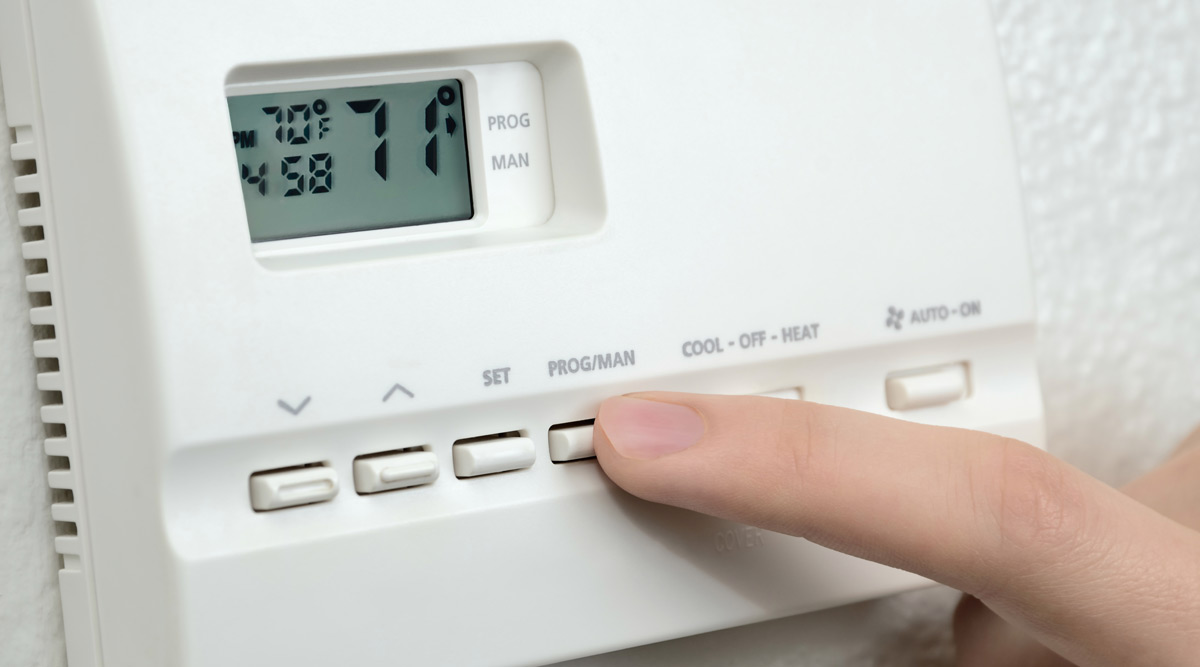
Thermostats are equivalent to an on/off switch, determined by air temperature in a room, typically the most used room in the house. If the switch is not functioning properly the entire system will not work properly.

Fortunately, replacing a thermostat is a simple and relatively inexpensive fix. Unfortunately, many homeowners are not prepared to diagnosis the problem.

If you suspect the thermostat might be the culprit, consult your professional for an inspection. In many cases, a new programmable or smart thermostat will help lower your utility bills and increase your comfort.

A Refrigerant Leak

When the outside temperature rises and your AC “can’t keep up,” it is definitely time to call your HVAC professional and have the refrigerant level checked. Your AC unit requires a gas coolant in a contained circuit and any crack or flaw in the circuit will allow the gas to escape.

Often the refrigerant escapes gradually resulting in decreasing performance and leading to a failure to cool. The decrease in performance is serious, as it causes the AC components to work extremely hard and leads to complete failure.

The HVAC professional might be able to find the source of the leak and replace the refrigerant. Replacing the refrigerant often makes an immediate, noticeable change.

Want more information about HVAC System Tips for Optimal Efficiency

If you are considering to better your Air Conditioning Efficiency, call us at 281-238-9292 or contact us via email.

Connect with All Cool AC and Heating on Facebook.

HVAC System

11 HVAC Maintenance Tips for Summer

11 HVAC Maintenance Tips for Summer

11 HVAC Maintenance Tips To Complete Before Your Turn on Your Air Conditioner

The air conditioning season in Texas is much longer than the heater season. Finding refuge from high temps and high humidity is what we come to expect from our homes and office.

Sometimes the transition from heating to cooling is short, so here are some steps to take to make sure your system is ready for what lies ahead before turning on the AC.

11 Steps to Follow Before You Turn on the Air Conditioner This Summer

Indoor Equipment Vital to Your Overall Well Being

Begin with your thermostat in the “off” position with the temperature turned to a high setting (around 80 degrees), then check the following:

  1. Look at the thermostat. Is it outdated? There are three types of thermostats:
    1. Manuel or mechanical thermostats—you physically move the dial
    2. Programmable thermostats—you set a timer that makes changes to the system, based on whether anyone is home
    3. Smart thermostats—linked to smartphones, programmable, but you can change settings from a smartphone should plans change

A new thermostat should achieve HVAC Maintenance payback very quickly.

  1. Inspect any exposed ductwork for wear or gaps. This will lead to energy efficiencies and potential hot and cold spots.
  2. Check air vents and returns. Make sure drapes, furniture or accessories are not covering openings. This adds stress to the HVAC system and can lead to component failure.
  3. Check the drain line. Cooling coils that come in contact with humid air will collect the humidity in a drain pan. Clean the drain pan prior to turning on the system to ensure collected dirt does not clog the drain line.

    Pour one cup of chlorine bleach down the drain line, then flush with a gallon of water to keep the drain line unobstructed.

  4. Change your air filter quarterly. The filter should be changed every three months or as recommended by the manufacturer. Changing the filter at the beginning of the cooling season is a good reminder.
  5. Check the electrical circuit to make sure the unit is on. Check the circuit breaker or fuse box.
  6. Be sure the power is powered “on.”The furnace and air conditioner are usually one unit.
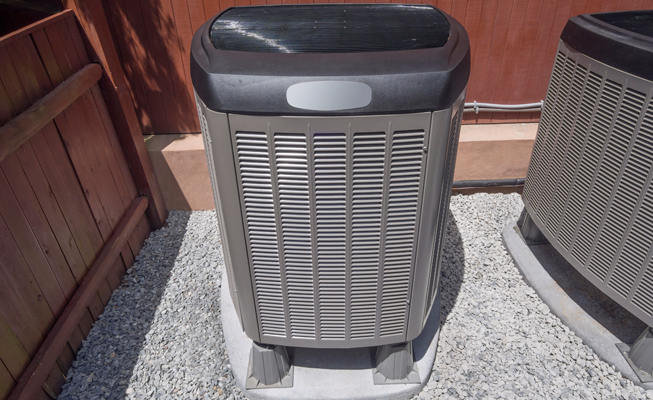
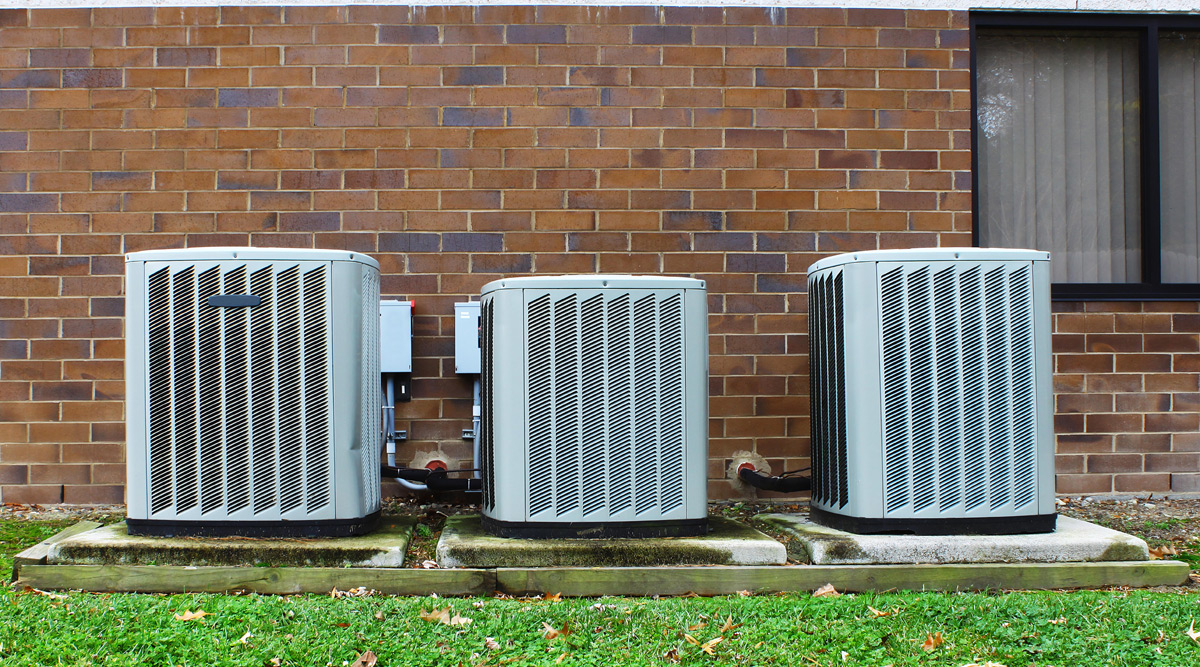
  7. Inspect the outdoor condenser unit. The outdoor condenser unit needs significant ventilation. Air is drawn in and up through the unit. Leaves, tall grass, and vines can block the floor of air, making the system work harder or fail.

    Make sure the unit is intact and nothing has blown inside the condenser.

  8. Inspect the outdoor refrigerant lines. These lines should be enclosed with insulation to ensure system efficiency. If you see damage or wear, call a professional for service before using your system.
  9. Inspect the outdoor wiring for wear or damage. Repairs to wiring should be done by a professional.
  10. Air conditioner units have a life span. Proper maintenance will extend the life of most components, but eventually, you will need to retire the system.

    The bright side is, new AC units are considerably more energy-efficient and can save 20 to 40% on your cooling energy cost.

Conclusion

Prior to the transition between heating and cooling is a proactive step to ensure your AC system functions properly and efficiently.

“Hoping and wishing” is not an HVAC Maintenance plan of action. Inspect your system and get simple repairs or call for service before hot weather arrives.

Want more information about HVAC Maintenance? We Can Help!

If you are considering an HVAC Maintenance program, call us at 281-238-9292 or contact us via email.

Connect with All Cool AC and Heating on Facebook.


8 Affordable Air Conditioning Efficiency Tips

8 Affordable Air Conditioning Efficiency Tips

Air Conditioning Efficiency Tips to Reduce Utility Bills

According to the Department of Energy, conditioning the air in your home, both heating and cooling takes the largest single percentage of your energy bill—between 48 and 52% of the total bill. With the long cooling months right around the corner, here are 8 no-cost methods of reducing your AC costs.

  1. Clean around the AC condenser unit outside. Since the fan is pulling air through the aluminum fins, it is suctioning leaves, grass clippings, and debris between the fins. Use a hose and clean the fins thoroughly to keep the unit from overheating.
  2. Vacuum clean the indoor vents and move anything that might cover the vents. Open vents allow the free flow of that “oh so nice” air right where you need it. Covered vents restrict airflow and create hot spots.
  3. Program your thermostat if possible. It might take a little time for you to program, but it can make a big difference. Here’s how:
    1. Department of Energy estimates a 1% savings per degree for an 8-hour span. If you turn the AC temp UP 5 degrees for eight hours, you will save 5% of the cooling cost for the day.
    2. If you program your thermostat to increase the temperature in your home while it is vacant during work hours, you can achieve these cost savings without feeling it at all. Schedule the AC to cool it off on your drive home. (The same savings holds true during heating months as well.)
  4. Keep lamps, TVs, and other heat-producing appliances 3’ away from your thermostat. The heat of the device will give the thermostat a false reading, keeping the AC unit on longer.
  5. Close your blinds and curtains during the heat of each summer day. The summer sun warms the house and drives the AC cost way up. When you arrive home from work, open the curtains and enjoy the less harsh evening rays.
  6. Clear the drain lines coming from the evaporator coil and pan. This is on the inside, at the AC/furnace unit, a hose or PVC line running to a drain. Pour a cup of bleach in the line and chase it with a gallon of water to remove debris and organic matter. This avoids the water overflowing from the pan and leaking from the unit.
  7. Avoid using heating-producing appliances, such as the dryer, oven, and dishwasher during the heat of the day. Wait until the evening hours, when the AC unit has less of a load and can handle the rise in temperature.
  8. If your home has uninsulated ductwork in unconditioned spaces, such as attics or crawlspaces, insulating the ducts will be a very low-cost/very effective cost-saving measure.

Money-saving tips don’t always require spending a lot of money when it comes to your HVAC system.

Want more information about Air Conditioning Efficiency? We Can Help!

If you are considering to better your Air Conditioning Efficiency, call us at 281-238-9292 or contact us via email.

Connect with All Cool AC and Heating on Facebook.

8 Affordable Air Conditioning Efficiency Tips

Do I need an air purifier?

Do I need an HVAC air purifier?

HVAC Air Purifier: When to Decide if it is Right for You

Most people do not give indoor air quality much thought when our biggest concerns are dust and pollen. For the first time in 100 years, the world is experiencing a pandemic that has people concerned. The EPA tells us air inside can be at least 2 to 5 times more contaminated than outdoor air. Businesses and homeowners are both equally concerned about making the air in indoor spaces as safe as possible.

This might be an ideal time to consider new technology for ensuring safe indoor air; an HVAC air purifier. An air purifier removes particles from indoor air more effectively than regular HVAC filters. Air purifiers can remove tiny particles that can be harmful to humans, particles as small as mold spores, bacteria, and viruses. Many air purifiers are installed inside of HVAC systems ductwork.

Are the benefits of HVAC air purifiers worth the cost?

Air filters effectively remove dust, pet dander, and pollen. Air purifiers can remove bacteria, viruses, and volatile organic compounds (VOC). They can also neutralize smoke from tobacco or fireplaces and odors from kitchens and bathrooms. So, how can you know if an air purifier is cost-effective for your need?

Clean air might be important enough to consider an air purifier if:

  • You have a need for Covid-19 mitigation in the workplace for employees and/or customers
  • You or a family member have breathing difficulties due to allergies, asthma, or other chronic respiratory illnesses
  • Your business experiences significant VOC, business such as printing, dry cleaning or auto body repair or from new furniture or carpet

If your current HVAC filter is insufficient for your air quality needs, you might consider an air purifier.

Types of Air Purifiers

Different air purifiers have been developed to meet specific needs. Consider these examples:

  • HEPA air filters are high energy particulate air filters. HEPA filters have openings as small as .3 microns, trapping 99% of all airborne particles. Since the openings are so small, more force is needed to force air through the filter. Not every system can accept a HEPA filter without causing HVAC performance issues.
  • Activated Carbon filters use naturally occurring carbon with very small pores. The small openings trap gases, such as VOC and smoke. These filters are also used in fire restoration applications.
  • HVAC ultraviolet light air purifiers are inserted inside system ductwork. Ultraviolet light kills microorganisms such as bacteria and viruses. Ultraviolet light is often installed in tandem with HEPA filters.
  • Electrostatic air purifiers are also installed inside the HVAC ductwork. Electricity flows through a network of fibers, creating static electricity in the air. Particles are collected by the static in the fibers and the filter will need to be washed frequently to remove collected particles This purifier will remove microorganisms from the air in ducts.
  • Ionizing air purifiers use electricity to charge some airborne particles. These ionized particles attract other particles, causing them to stick together. The large charged particles are trapped by the HVAC filter.
  • Portable filters of various sizes can also be acquired as standalone units for spaces with intermittent air quality challenges.

Want more information about HVAC Air Purifiers? We Can Help!

If you are considering an HVAC air purifier to better your indoor air quality, call us at 281-238-9292 or contact us via email.

Connect with All Cool AC and Heating on Facebook.

Do I need an HVAC air purifier?


4 Reasons to Get Your HVAC System Cleaned

HVAC System: Four Reasons to Hire a Professional

Having your HVAC system cleaned can be one of the most beneficial preventative maintenance functions you can do for your families’ health. Contaminants in the ventilation system can produce awful smells, high humidity, and stuffy air. Poor indoor air quality affects every breath and can lead to eye, nose, and throat irritation, headaches, allergies, and illness.

Many homeowners might consider cleaning the HVAC system a DIY project; after all, is it too difficult to clean your own home? Here are four important reasons to consider having an HVAC professional clean your ventilation system.

  1. The Right Person with the Right Tools

Cleaning the system would begin with locating all of the system parts: return vents, filter, blowers, heat exchanger/cooling coil, and supply ducts. Most homeowners would have difficulty identifying these parts, much less reaching them. An HVAC professional has the specialized equipment needed to properly clean the entire system. Having good tools is not the same as having the right tools!

  1. Dust is more than an annoyance

The average household produces 40 lbs. of dust annually, so it is more than what you see on the coffee table. Dust is produced by scratching dry skin, using a paper towel, or simply walking across the carpet. Pets, pollen, and outdoor pollutants also contribute to dust. Since the indoor air volume circulates at least 5 to 7 times daily, family members come into contact with household dust more often than you think. It can get worse. Dust might not be the worst of it: the ducts may also contain the mold in areas with high humidity or become a haven for pests.

  1. Improved system efficiency

We all know that changing air filter frequency will improve system efficiency, but heavy dust in the rest of the ventilation system will also reduce airflow. Dust builds up, clumps up, and clogs ducts, vents, and returns. Heating and cooling depend upon rapid airflow, but if dust prevents airflow the system cannot do its job effectively. This causes your system to work harder. It can also create hot and cold spots or areas of high humidity.

  1. Prolong the life of your system

Your HVAC system consists of both a heating and cooling system: dust is harmful to both. Clogged ducts and vents will add strain to the system and makes the system “feel” like it is not working properly. The prolonged strain will shorten the life of the system’s parts. In addition, if dust collects on moving parts, on electrical connections, and on bearing surfaces, it will lead to component failure.

Want more information about HVAC Systems? We Can Help!

If you are considering preventative HVAC System services to better your HVAC Efficiency and prepare your home for cool weather, call us at 281-238-9292 or contact us via email.

Connect with All Cool AC and Heating on Facebook

HVAC System: Four Reasons to Hire a Professional


3 Easy Furnace Maintenance Fixes

Furnace Maintenance

3 Easy Furnace Maintenance Fixes – Common Furnace Problems & Solutions

During the winter your family relies on your furnace to maintain comfort and heat your home. As the temperature drops, you do not want to face a breakdown and potentially lose your furnace’s ability to heat your home.

A commonly asked question is, “What are furnace problems to look for?” Most homeowners are looking for furnace maintenance tips to minimize the need for large furnace and HVAC repairs.

Here are the 3 most common furnace problems we’ve witnessed below and proactive furnace maintenance solutions to keep your heating system running at its peak.

Clogged and Dirty Air Filters

Clogged and dirty air filters put unnecessary strain on your furnace. In addition, a dirty air filter will reduce the air quality inside your home.

Replacing your air filter based on your furnace maintenance specifications prolongs the life of the unit and can drastically reduce your energy consumption.

The most effective way to avoid a clogged or dirty HVAC filter is regularly scheduled furnace maintenance. One of our NATE Certified Technicians can inspect your air filter and replace it if needed.

We will also provide a schedule for you to change your air filters based on several criteria such as the number of pets inside the home, tobacco use, chronic allergies or other conditions, and if you have elderly or infant family members.

Most filters provide replacement specifications and many modern thermostats provide an alert when air filters need to be replaced.

Ductwork Design Or Damage

Sometimes the original installation of your HVAC system can be causing your heating and/or cooling system to face challenges to keep up with the demand of your desired temperature settings.

Improperly installed or designed ductwork can lead to inefficient HVAC effectiveness.

Damaged ductwork could come from rodents, normal wear and tear, or damage caused by attic storage. Through the repetition of cycling back and forth from heat and then cold, ductwork experiences fatigue which leads to leaks.

Leaking ductwork is one of the leading causes of loss of energy efficiency in your HVAC system.

This repair is typically easy and one of our furnace maintenance professionals can repair or reconfigure ductwork quite easily.

Reduced Efficiency

As we have discussed, routine furnace maintenance is highly suggested to keep your heating system performing at its best. We highly recommend furnace maintenance twice a year, once in the Spring and once in the Fall.

This maintenance will keep your HVAC system running at its optimal efficiency level.

There are reasons why you will lose efficiency that cannot always be prevented with maintenance. An aging heating unit will gradually lose its ability to maintain the desired comfort levels within your home.

Time will eventually cause a breakdown of the system’s mechanics, leading to costly repairs and the inevitable replacement.

Modern units promote an efficiency level of about 90%, an older unit may only be able to perform at 60%.

Not only does this minimize the comfort level, it inconveniently adds to your utility bill. Learn more about HVAC efficiency ratings here.

Want more information about Furnace Maintenance? We Can Help!

If you are considering preventative Furnace Maintenance services to better your HVAC Efficiency and prepare your home for cool weather, call us at 281-238-9292 or contact us via email.

Connect with All Cool AC and Heating on Facebook

Furnace Maintenance

HVAC Winter Preparation: 4 Tips to Get Ready for Winter

HVAC Winter Preparation

HVAC Winter Preparation Tips

To prepare your home’s HVAC for the Winter season, you will want to perform these preventative maintenance steps to be ready for falling temperatures.  This HVAC winter preparation checklist will help you keep your energy expenses down and make winter a whole lot more comfortable for you and your family.

HVAC Winter Preparation Checklist:

Replace HVAC System Filters

Regular replacement of the air filter is one of the most productive and easiest ways to keep your HVAC system running at its finest. Follow the manufacturer’s guidelines on which filter to use and replace it more frequently if you have chronic allergies, are a pet owner, have small children, or have a compromised immune system.

Clean Registers and Air Return Grills

Vacuum or wipe clean your registers or air return grills to keep any build-up of debris and dust from restricting airflow. Keep furniture or household decorations free from blocking these registers and to allow proper airflow.

Conduct a Heating System HVAC Winter Preparation Test

Allow your thermostat to cycle your heater on and calculate how long it takes your room to reach the set temperature. If your furnace does not come on, or it takes an extended length of time to reach the set temperature, it is time to contact us for a service call. You will want to avoid a complete system breakdown in the dead of winter.

Regularly Scheduled Maintenance Should Be part of Your HVAC Winter Preparation

Complete HVAC system inspection should be done twice a year. Once in the Spring to prepare for the summer heat, and once in the fall to prepare for the winter cold. As your system ages, it will be more important to continue regular maintenance to ensure that HVAC components stay efficient to prolong the lifespan of your HVAC system.

Want more information about HVAC Winter Preparation? We Can Help!

If you are considering preventative HVAC Winter Preparation services to better your HVAC Efficiency and prepare your home for cool weather, call us at 281-238-9292 or contact us via email.

Connect with All Cool AC and Heating on Facebook

HVAC Winter Preparation

6 HVAC Efficiency Tips for this Fall

6 HVAC Efficiency Tips for this Fall

HVAC Efficiency Tips

Inefficient HVAC systems not only compromise your comfort level, they hurt you financially. Keeping your HVAC system operating at its highest level will improve your home’s indoor temperatures, and it will also save you money.

Here are a few HVAC efficiency tips to keep your home’s comfort level at its best.

HVAC Efficiency: Keep Evaporator and Condenser Coils Clean

Dirt and debris accumulate around your condenser and evaporator coils. This build-up will decrease your systems’ ability to transfer heat and its cooling ability. Cleaning these components on a regular basis will keep your system running efficiently.

HVAC Efficiency: Replace Your Air Filters

Clogged or dirty AC filters will restrict the airflow of your unit. Fixing a disruption to airflow can create a great increase in energy efficiency. We strongly recommend changing your air filter every 30-90 days depending on the filter rating.

HVAC Efficiency: Poor HVAC Maintenance

Most homeowners neglect proper HVAC maintenance. Since your system components are stowed away and hidden, they have a tendency to become, “out of sight and out of mind.” Your AC and heating system efficiency can decrease by five percent per year.

To prevent further wear and tear, and to prolong the life of your HVAC system, we recommend you schedule regular maintenance.

HVAC Efficiency: Compromised Ductwork

Damaged or worn ductwork can certainly cause inefficient heating and cooling. Air leaking out of your ductwork into your attic will definitely cause poor performance and higher utility bills. A thorough inspection of your ductwork by an experienced technician can save you a great deal of money.

HVAC Efficiency: Aging HVAC Systems

If you notice decreased efficiency in your A/C even with proper maintenance, it may be the case that your unit is simply nearing the end of its lifespan. Most air conditioners can last anywhere from 10 to 15 years, so a replacement may be in order if your unit is older than that.

How Do You Test Your HVAC Efficiency and Performance

On a day that is above 80 degrees, allow your AC unit to run for at least 15 minutes consistently. Place a thermometer on a supply register closest to the unit and let it sit for 5 minutes. Repeat the process at a return vent.

An efficient HVAC system cools air 14 to 20 degrees from the temperature that it entered your system. If your HVAC system is not able to do this, its performance and efficiency are at best problematic. If this is the case, you should contact us immediately to schedule an HVAC maintenance appointment.

Want more information about HVAC Efficiency? We Can Help!

If you are considering preventative HVAC system maintenance services to better your HVAC Efficiency, call us at 281-238-9292 or contact us via email.

Connect with All Cool AC and Heating on Facebook

HVAC Efficiency