Indoor Air Quality Tips for Immunocompromised People

Indoor Air Quality Tips for Immunocompromised People

Safer Indoor Air for Immunocompromised Families

When this viral pandemic began in 2020, cleaning methods and indoor air quality became hot topics. Hand washing methods, buying runs on cleaning supplies, and questions about wearing masks inside your home were real issues. While things seem to be slowly changing, everyone is more cautious and stays alert to the latest updates.

But many families were dealing with airborne threats from common situations before 2020. When a family member faces severe allergies, suppressed immune systems, or medical treatments, such as radiation or chemotherapy for cancer, making your home a safe environment was a daily challenge.

If you need to keep your home as sterile as possible, here are some helpful tips to consider.

Change Your Cleaning Supplies

Harsh chemicals are not the only solution to keeping a home clean and safe, and they often contribute to poor indoor air quality. Common household items, including vinegar and hydrogen peroxide, can be safe alternative cleansers, without adding harmful aerosols to the indoor air. You might also find it quite satisfying, natural air fresheners, soaps, and lotions will make your home a safer environment.

Is your vacuum cleaner enough?

Vacuum cleaners become necessary tools in homes with health concerns; removing dust, pollen, and dander from soft surfaces is essential. However, vacuum cleaners can contribute to poor air quality if the vacuum filter is not fine enough to trap small particles rather than recirculating them. Do some research and find the right vacuum cleaner, but make sure it has a High-Efficiency Particulate Air (HEPA) filter. A HEPA filter will collect the vast majority of airborne particles before they settle on surfaces again.

Watch out for Mold!

Mold and mildew are common fungi in every part of the world. Airborne microscopic spores, similar to plant seeds, are carried on the wind and they will make their way into your home. A few spores are not a problem. Cleaning surfaces and vacuuming regularly will take care of most spores.

However, spores are looking for wet, warm surfaces and your home has a few of these. If ignored, mold and mildew can rapidly reproduce and this is a problem. A lot of mold or mildew spores will cause breathing issues in humans and pets, whether healthy or compromised.

  • Fix any leaking plumbing fixture immediately.
  • Use bathroom fans to remove excess humidity.
  • Check under sinks and around toilets for puddles or condensation
  • Attics, basements, crawl spaces, and garages should also be inspected
  • Attack mold growth quickly, before it can spread.

Maintain your HVAC system well promotes better indoor air quality

Your HVAC system is working hard to keep your indoor air clean, dry, and safe. Work with the system to maximize the benefits.

Use a quality air filter—HEPA filters are available for HVAC systems as well.

Make sure to change the filters as often as needed—at least every three months.

Schedule a regular preventative maintenance visit with your heating/cooling professional, to ensure the system is clean and functioning properly.

Clean your ductwork as often as needed. They become a reservoir for all kinds of particles when neglected.

Consider an air purifier

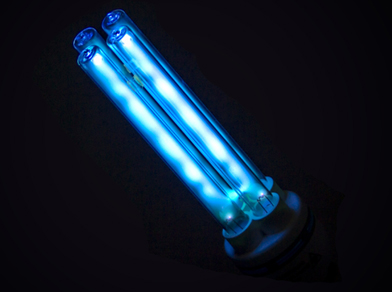
If all of your efforts to keep ahead of cleaning seem fruitless, research additional filtration, UV lights, ionic filters, and external air purifiers. Very good HEPA filters are remarkable, but if your situation requires more, pursue your options until you find what works for your family’s needs.

AllCool has the professional experience to answer questions, make suggestions and point you to the right product(s).

Do You Have an Immunocompromised Family Member Who Needs Proper Indoor Air Quality?

Let us know how we can help with your indoor air quality concerns, call AllCool AC & Heating at 281-238-9292 or contact us via email.
Indoor Air Quality Tips for Immunocompromised People

Is a Ductless Mini-Split HVAC System Right for Me?

Ductless Mini-Split HVAC System

Is a ductless mini-split HVAC system right for your home?

Ductless mini-split HVAC systems are rather new; the technology reached the U.S. only about 35 years ago. Word is it is proving to be a very efficient heating and cooling system in some applications. You have a new project and you are wondering whether it might a good option for your space.

Here are some considerations to keep in mind when determining whether a Ductless Mini-Split HVAC System meets your needs.

The Size of Your Space

The first consideration is size: spaces that are larger than 1,000 square feet will be too much for this technology to handle. The space is too much and the rooms are too spread out to heat and cool efficiently.

Adequate insulation

If your project is the right size, the next consideration is adequate insulation. If the spaces is poorly insulated, the mini-split system will struggle to meet the comfort demands. This forces the system to run continuously, losing the energy efficiency of the system.

Matter of fact, overuse will increase energy usage and shorten the life cycle of the system, due to excess wear and tear.

Are you adding space?

If your project is an addition to existing space, a ductless Mini-Split HVAC System makes an excellent add-on choice to supplement an existing central HVAC system.

Instead of an expensive modification to run vents for supply and return air, the ductless system can heat and cool the new space with less work and for less money. The two systems will synchronize well and give you good results.

Problem spaces

Perhaps your project is to “fix” problems spaces, such as the room that is farthest from the central air conditioning and remains a little too warm for comfort.

Sometimes spaces on the west or south side of the house get more sun and it is hard to keep that space comfortable. A ductless mini-split system can direct heating and cooling to the needed space at only the times it is needed.

Is a ductless mini-split HVAC system right for your home?

Let us know how we can help with your indoor air quality concerns, call AllCool AC & Heating at 281-238-9292 or contact us via email.
Ductless Mini-Split HVAC System

Improving Indoor Air Quality with Ultra Violet Light

UV Light Use in Improving Indoor Air Quality

Ultra Violet/UV Light Use in Improving Indoor Air Quality

For decades, hospitals, laboratories, food processing plants, and water treatment facilities have used ultraviolet light (UV light) to disinfect biological contaminates. UV light is very effective in removing bacteria, viruses, mold, and mildew spores from the air and on surfaces. With technological advances, UV light is now available for residential applications and can significantly improve the indoor air quality in your home.

How does it Work?

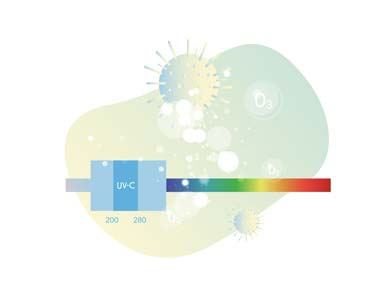
Ultraviolet light is a narrow band in the electromagnetic spectrum with a high energy wavelength. UV light penetrates cell walls and alters the DNA structures in cells, making it impossible for cells to reproduce.

Sunlight contains ultraviolet light, so sunlight actually disinfects our atmosphere and outside surfaces to make our world a safer place. We create indoor spaces to live and work. We seal these spaces to keep us warm and safe, but enclosed spaces trap harmful biological contaminates.

Your HVAC filtration system actively removes harmful particles from the air you breathe. Adding UV light to your HVAC system can disinfect indoor spaces; the air filter can then trap these particles and remove them before they can cause damage.

Where is UV Light Installed?

The blower motor pushes conditioned air into your home and pulls air into the ductwork. The air filter traps 99% of particles before they reach the heating and cooling components of the system. After the air is filtered, it enters the evaporator coil; the coil contains many surfaces and during the cooling season these surfaces are covered with moisture. A dark, moist surface is the ideal area for mold, bacteria, and viruses to grow.

This is the ideal location to install UV lights in the HVAC system. Three UV lights are installed strategically to shine on every surface and shine continuously. The UV light prevents the growth of biological contamination before it can re-enter your home with the conditioned air.

Installation of ultraviolet lights will only take a few hours. The lights are completely concealed—have you ever seen your evaporator coil? Since they are concealed, they cannot harm people or pets. Expect to change the bulbs every 2 or 3 years or include them on the HVAC preventative maintenance visit.

Have questions about bettering the indoor air quality in your home?

Let us know how we can help with your indoor air quality concerns, call AllCool AC & Heating at 281-238-9292 or contact us via email.

UV Light Use in Improving Indoor Air Quality

6 Summertime AC Efficiency Tips

AC Efficiency

Keeping Cool with AC Efficiency Tips Without Losing Comfort

Whew! It is summertime and it is hot and muggy in Houston. Living in South Texas you can always count on the cooling season lasting longer than the heating season. It doesn’t take long for the AC to push the electric bill up and up. High bills entice people to seek cost-saving measures.

So many cost-saving measures are also expensive. Everyone agrees that new, energy-efficient appliances or solar panels will pay for themselves over time, they also require a hefty capital investment upfront. For many that will not happen this year. Here are six AC Effieincy solutions that can help you save significant dollars without spending a lot of dollars.

#1 AC Efficiency Tip: Avoid solar heat

Know the layout of your house in reference to the summer midday sun. The sun will move on the south side of your home, so make sure window coverings are blocking the harsh midday sunlight. Your windows may already be Low-E rated to reflect some of the sunlight. Blackout drapes help more than sheers. Blinds or shutters will also work. Keep the summer heat outside where it belongs.

#2 AC Efficiency Tip: Reduce appliance heat

Wait to run the washer, dryer, or dishwasher until the cool of the evening. The midday heat is also peak energy use hours, so run them during off-peak hours. They also produce heat, so running them during evening hours puts less load on the AC.

Summertime also lets you be creative with cooking meals—use that creativity to save energy as well. Cooking outdoors, use a crockpot or air fryer instead of the oven. Be creative and make it fun.

#3 AC Efficiency Tip: Move the air

Moving air inside your house makes the air seem cooler; it is the wind chill factor you hear about during Winter weather forecasts. It makes enough difference that the U. S. Energy Department says running a ceiling fan can allow you to raise the thermostat 40 without feeling a difference in comfort. S. Energy Department

Ceiling fan blades should run counterclockwise in the summer and clockwise in the winter. Running a ceiling fan cost about 2 cents/hour, significantly lower than running the AC for an hour. Ceiling fans are not the only option: wall or floor fans, tabletop or window fans work as well. Remember to use the bathroom exhaust fans while bathing or showering to remove heat and humidity.

#4 AC Efficiency Tip: Program the thermostat

If your thermostat is still a round dial on the wall, it is time to replace it with either a programmable or a smart thermostat. Both versions allow you to schedule changes in heating/cooling throughout the day and throughout the week. Smart thermostats also have a phone app that allows you to make changes on the fly.

How much can you save? The U. S. Energy Department says setting the thermostat back 70—100 for 8 hours/day can save around 10% on heating or cooling. Consider reducing HVAC use during sleeping hours or during the day, while the house is vacant. Schedule a transition 30 minutes before the family awakes in the morning or arrives home from school or work.

The key to cost savings is to find times when you can reduce HVAC use for 6 to 8 consecutive hours. Do some research, since there are several manufacturers; find a new thermostat with the features that fit your family’s needs.

#5 AC Efficiency Tip: Find air leaks

If your home seems drafty, is unusually humid, or has hot/cold spaces, look for gaps around doors, windows, and utility openings where outside air is moving inside.

    1. Do a visual inspection, looking for obvious cracks and holes.
    2. Use an incense or smoke stick. Light the stick, bring it in the proximity of windows and doors, watching for drafts in the smoke movement. You can also use very thin tissue paper to detect drafts.
    3. An energy audit with a certified technician. An audit employs inspection equipment, such as thermographic scans or infrared photography to locate thermal breaks causing energy loss. It will also use a blower door test that increases the indoor air pressure to locate gaps in walls and ceilings.
    4. Air leaks in common around windows and doors, around electrical outlets and switches, in the attic, basement, or garage. Caulk or seal gaps that you find with weather stripping.

#6 AC Efficiency Tip: HVAC TLC

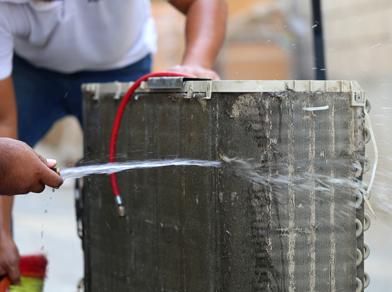
If you take care of your HVAC system, it will take care of you. Schedule an air filter change on your calendar; change the air filter every 3 months minimum, more if needed. Remove leaves, debris, and trash from around your outdoor compressor unit. Use a garden hose (not a power washer) to thoroughly clean the compressor.

Wind and rain deposit sediment between the fins, which reduces cooling efficiency. Make sure the return air and supply vents are uncovered to provide good airflow. Call your HVAC professional and schedule an annual PM visit to ensure your system is clean and in good repair.

Need Help With AC Efficiency?

If your home’s air conditioning needs its AC efficiency rebooted, call AllCool AC & Heating at 281-238-9292 or contact us via email.

AC Efficiency

How Your HVAC System Alleviate Allergies in Your Home

HVAC System Alleviate Allergies-1

Alleviating Allergies at Home with a High Performing HVAC System

Seasonal allergies, the reaction of our bodies to (mostly) airborne irritants, are unique to each individual sufferer. For instance, Spring tree pollen, mown grass, or mold spores do not seem to faze me; but there is a particular yellow weed that blooms in the Fall that gets me every time. Oh yeah, itchy eyes, nasal congestion, and body aches.

No matter what time of year your allergies come, your home can be an oasis from the irritants that aggravate seasonal allergies. Your home has several systems to help; a little knowledge will help you use them best for your unique allergies. We will also suggest improvements that can enhance existing systems if you need further help.

Use Ventilation to Your Advantage

Most homes are sealed to a significant degree, so most irritants come through doors and windows and not through gaps in the housing envelop. Once pollen comes in through the door, they are trapped inside until removed. A good seal house can contain 3 to 5 times more contaminants than outdoor air. One solution to eliminate irritants is opening doors and windows strategically.

If Oak pollen is your Kryptonite, make sure to keep doors and windows closed as much as possible for the two weeks are so that Oak pollen is active. If you have “Hay Fever” each time the lawn is mowed, keep those irritants outdoors while mowing.

Once the particular pollen or spore has passed, exchange the indoor air with outdoor air to remove trapped contaminants. Opening a couple of windows or doors for 15 to 30 minutes is enough time to completely exchange the indoor air with outdoor air.

Balance this need with the need to keep indoor air cool or warm as the season changes.

Clean Your Home Thoroughly

While this might be stating the obvious, dusting, mopping, and vacuuming weekly, more often if necessary, is a crucial step to remove contaminants from your home. Use products that trap dust with static electricity. Use a vacuum cleaner with a HEPA filter if possible.

Understand Air Filters

Year-round your HVAC system’s air filter is the most efficient tool to remove dust, pollen, mold, mildew, and pet dander from your indoor air. The more you know about how the air filter works the better you can prepare to improve indoor air quality.

Your HVAC system moves all of the air inside of your house several times per day as long as the blower is running. It pulls air through air returns, strategically placed throughout your home, filters the air, heats or cools/dehumidifies it, and sends it back through supply ducts. Filtration takes particles out of the air prior to conditioning the air, keeping sensitive electrical equipment clean.

Traditional air filters are made of composite materials (paper/fiber mix) thin enough for good airflow. Filters are rated on a MERV scale, from 1 to 16—the higher the MERV rating the better. High-Efficiency Particulate Air (HEPA) filters are a step up, considered between 17 and 20 on the scale. Use the best filter available for the cleanest air.

Make sure to change your air filter as often as needed. Change the filter at least every three months—consider changing the filter every month during your allergy season.

Maintain Proper Humidity

Your HVAC system not only cleans the air but also removes humidity to keep your home’s humidity at an ideal 30 to 50% humidity.

Air conditioners remove moisture from the air to prevent the growth of mold and mildew, common allergens.

Winter air is already drier and heated, warm, dry air can irritate sinuses. If your home or climate is very dry, consider a humidifier for the heating season. While humidifiers are useful to keep your nose and throat from drying out, overuse can lead to mold or mildew: monitor humidity to keep it between 30 to 50%. Make sure to keep the water and parts clean to prevent growth at the source.

Enhancement Options

Natural ventilation and air filtration by the HVAC system provide the first and best defense from indoor allergens, removing as much as 99% of airborne particles. But your home and family are unique and might need additional help. Here are a couple of options you might consider.

Ultraviolet lights. UV is the part of sunlight that damages your skin in a sunburn. Matter of fact, UV kills microorganisms, including pollen and mold spores, yeast, bacteria, and viruses. Typically, UV lights are installed inside return air ducts; the neutralized cells are easier to trap in the air filter.

Air purifiers. Room air purifiers are mobile devices with a multiple-stage filtration system. Often air purifier filters use activated charcoal, which pulls gases/odors from the air. They are small, quiet, and affordable. Whole-home purifiers are also available. They connect to the central HVAC system for seamless operation.

Do houseplants help?

The answer to the question is yes, but . . . not enough. You do not depend on a few houseplants to produce all of the oxygen needed in the home and the same plants cannot absorb all of the carbon dioxide produced in your home. To achieve such dependence, entire rooms would need to be filled with houseplants in a careful balance.

The same is true concerning the absorption of volatile organic compounds, harmful gaseous chemicals found in every home. Houseplants absorb 1% of the number of contaminants that the HVAC system handles. Consider houseplants to be great decorations and accessories, but they will not replace your HVAC system.

In summary, you have tools in your home to help eliminate most seasonal allergens. Contact All Cool to determine which options might best enhance your home’s system.

Interested in Learning How Your HVAC System Can Reduce Allergens in Your Home

If you are interested in learning How Your HVAC System Alleviates Allergies in Your Home, call AllCool AC & Heating at 281-238-9292 or contact us via email.

HVAC System Alleviate Allergies-1


HVAC Hurricane Preparedness

HVAC Hurricane Preparedness

HVAC Hurricane Preparedness for Your Home

Hurricane season (June 1 – November 30) has begun for the Texas Gulf Coast, a time of heightened awareness of tropical storms and hurricanes. Municipalities, businesses, and prudent homeowners are planning for the next storm event. Since each hurricane is unique and the damage caused is unpredictable, planning must be based on universal characteristics of severe weather events.

Homeowners must prepare for widespread high winds (gusts over 100 mph) and heavy rainfall over a relatively short period of time. The combination of these weather events leads to power outages, communication delays, travel restrictions, and temporary business closures.

The more people prepare, the quicker the recovery time for entire communities, so do your part and determine your response ahead of time. Here are several quick tips to include on your hurricane guideline list:

HVAC Hurricane Preparedness: Securing Your Home

Whether your plan is to evacuate or shelter in place, here are some suggestions to make sure your home is as secure as you can make it. Understand these are only suggestions. Please follow local emergency guidelines concerning evacuations, since they have the latest in weather updates and community situations.

  1. Purchase and store supplies that will help you protect the most vulnerable exterior surfaces present in your home.
    1. A two-car garage has at least 20 feet of a relatively thin surface with very little support structure; wind gusts can easily blow through your garage door. An open garage door will usually lead to further damage when the wind catches the roof and deposits it in the neighbor’s pool. Prepare to brace your garage door.
    2. Windows and doors are particularly vulnerable to high winds and flying debris. Purchase supplies and cut them to size ahead of time to protect windows and doors from high winds and flying debris.
  2. Inspect your property often, trimming dead limbs and limbs that overhang your home. Significant damage happens with limbs and trees fall in high winds.
  3. Unplug appliances and electronics to prevent damage from power surges due to frequent lightning strikes. A better plan is to turn the power off at the service panel right before the storm hits.
  4. If you need to protect your home from high water, be prepared to move valuables off the floor and park cars on higher ground.

HVAC Hurricane Preparedness: Protecting your Air Conditioner During a Hurricane

To minimize damage to your air conditioner and speed recovery time, follow these suggestions:

  1. Strap the outdoor compressor unit down with hurricane straps. The compressor unit is the only component of your HVAC system outside and exposed to the elements. Hurricane straps secure the lightweight unit to the concrete pad and prevent it from becoming a projectile.

    If your home is prone to flooding, you can further protect the compressor by contacting an HVAC professional to elevate it.

  2. Cover the compressor unit. After preventing the compressor from being blown away, protect it from flying or falling debris. A tarp or compressor cover will keep debris from being blown into the hollow center.

    Keep the cover on until winds subside, but remember to remove it before turning the AC on during recovery. For the compressor to function properly it needs a lot of air to move across the fins to cool the gases inside; without air movement, the high temperature will lead to overheating and failure.

  3. Prior to the storm, pre-cool your home. Set the thermostat a few degrees cooler than normal if you anticipate losing power for an extended period. It will not last forever but wait for the storm out in relative comfort. Keep curtains and blinds closed and doors closed to keep the cool air inside where it belongs.
  4. Once the high winds and heavy rain begins, turn off the air conditioner. Better yet, turn the power off at the electrical service panel. The electrical controls of your HVAC system are susceptible to power surges that can happen during frequent lightning strikes during a hurricane.
  5. After the storm has passed, begin with an inspection of your home inside and out. Remember to inspect for wind and rain damage, flooding, and damage resulting from power surges. If you have lost limbs or trees, proceed with caution and beware of downed power lines. Remember, if the ground is wet and a live power line is in contact with it, you are in danger. Contact your utility company and do not approach.Inspect your roof, windows, and walls. Make your way to the compressor unit and make a careful inspection. Remove the cover and examine the hollow interior. Make sure that leaves or branches have not blown inside to obstruct the fan of full air movement. Examine the electrical and coolant lines entering the home for damage. If any part of the unit is damaged, do not turn on the AC.

    As a part of HVAC Hurricane Preparedness procedures, inspect the electrical service panel and the condenser/blower unit for water damage. If you have experienced flooding or water damage to the HVAC components, do not turn it on until an HVAC technician has inspected it.

  6. If you have any problems or need repairs, contact AllCool AC and Heating for HVAC Hurricane Preparedness assistance right away. The call volume will be high, so anticipate a wait. A professional service call will give you peace of mind. Finding a minor problem now can avoid a major problem later.

Interested in HVAC Hurricane Preparedness for Your Home

If you are interested in learning how we can help with HVAC Hurricane Preparedness for your home, call AllCool AC & Heating at 281-238-9292 or contact us via email.

 

HVAC Hurricane Preparedness


Improving Indoor Air Quality for Seasonal Allergy Relief

Improving Indoor Air Quality for Seasonal Allergy Relief

Improving Indoor Air Quality for Allergy Sufferers

If you suffer from seasonal allergies or have asthma triggered by pollen, no one needs to tell you when pollen or mold spore counts are high. Severe allergies often require medical care, so anything you can do to improve indoor air quality (IAQ) is worth considering. All Cool has some good news; consider these steps to reducing allergens in your home to remove the worst allergen concentrations for significantly improved indoor air quality and allergy relief.

4 Steps for Improved Indoor Air Quality with Existing Equipment

Your home already has the equipment to help you remove allergens and keep them from accumulating in your home. Using these pieces of equipment in unison will help maintain good indoor air quality and remove irritating particulates. Equipment already in your home include:

  1. Vacuum regularly. Dusting and vacuuming regularly are the first and best means of removing airborne particles and keeping them from circulating. It is simple and you can adjust how often you clean seasonally if you find that it is advantageous. A vacuum cleaner with a HEPA filter removes the maximum amount of dust, pollen, mold spores, and dander.
  2. Change your air filter often. Your HVAC system conditions the air to make your home safe and comfortable. It heats or cools the air, cleans it, dehumidifies it, and circulates it as needed. The primary component for cleaning the air is an air filter, located so as to clean the air before it is drawn into a chamber to be heated or cooled. Air filters are rated according to a MERV rating system; the higher the number the better. Purchase a filter with a MERV 12 or higher rating. If you suffer from seasonal allergies, a High-Efficiency Particulate Air filter (HEPA) is recommended. These filters will remove 99% of airborne particulates. An air filter should be replaced at least every three months–more frequently if needed.
  3. Clean ductwork annually. Airborne particles are carried into the ductwork as the air circulates. When a blower cycle ends, the air movement comes to a stop and any duct or pollen is deposited inside the duct. If you remove allergens throughout the house, don’t forget your ducts.
  4. Manage humidity. During the cooling season, the AC removes humidity from the air, keeping the indoor air between 30 to 50% humidity. This helps to minimize the growth of mold and mildew. Spores from these fungi contribute to the allergen count in your indoor air. Refrain from starting and stopping the AC during the season to control humidity and prevent mold growth.

3 Further Steps with Added Equipment

If your quest for improved indoor air quality (IAQ) needs additional help, consider these simple enhancements to further eliminate allergens from your home.

  1. An Air Purifier. Air purifiers are small portable units that actively remove airborne contaminants in a given space with a variety of sources. The filtration is often graduated, removing larger than smaller particles in filters that may be cleaned or replaced. Often, they also use activated charcoal to remove harmful gases and odors. There are also whole home models that connect to your HVAC system for improved indoor air quality (IAQ) throughout the house.
  2. Ultraviolet light (UV). UV disrupts the cell membranes of living cells (it causes sunburn) and is quite deadly for pollen, mold, dust mites, viruses, and bacteria. UV lights are installed inside the ductwork and neutralize living cell particulates, making them easily removed by the air filter.
  3. House plants. That’s right, ordinary house plants. In 1989, NASA conducted a Clean Air Study to determine which plants would work well in closed environments such as Mars and Lunar bases. Since such bases would be manufactured environments, they were looking for plants that might remove harmful gases given off by building materials after manufacturing. The top 10 plants they recommend include the following:

English Ivy

An evergreen perennial that is perfect for bathrooms because it effectively takes fecal particles out of the air. It grows and spreads out horizontally, serving as an eight-inch-high ground cover if planted outdoors. English Ivy also combats mold, which is great for damp spaces like a bathroom. English ivy requires about four hours of sunlight daily and needs a generous amount of water.

Gerbera Daisy

This plant very effectively removes common off-gases, such as benzene, formaldehyde, trichloroethylene, and carbon monoxide from the air. It grows to be two feet tall and produces bright colored flowers. Water this plant at the base, but not too frequently. (Overwatering any plant can stimulate the growth of mold.)

Snake Plant / Mother-In-Law’s Tongue

This plant is very easy to care for, just don’t overwater. It is a great plant for your bedroom since it releases extra oxygen overnight. It also removes common off-gases, such as trichloroethylene, toluene, benzene, xylene, and formaldehyde from the air.

Aloe Vera

This succulent enjoys lots of sunlight but not too much water. It is a well-known salve for burns and skin injuries; just cut off a leaf and apply the juice to the affected site. It removes some of the off-gases that result from strong detergents and floor finishes.

Spider Plant

Spider plants are easy to grow and reproduce with runners that grow lots of tiny new spider plants. They remove carbon monoxide and xylene, a common solvent used in manufacturing rubber and printed materials.

Weeping Fig

This popular and common house plant removes formaldehyde, xylene, and toluene from the air. Like a fussy house guest, this plant does not like change. It prefers indirect sunlight and no drafts, but keep it happy and it will purify your house for many years.

Peace Lily

This lovely plant with strong dark green leaves develops a specialized leaf that turns white and shelters an elegant flower. It rids the house of formaldehyde, trichloroethylene, and benzene and produces extra humidity as a bonus. Water it about once per week, but keep it out of the reach of pets, since it produces a mild toxin irritating to dogs and cats that might nibble on them.

Areca Palm

This large, elegant palm is easy to care for and very beneficial. It moisturizes the air, effectively removes toxins from the air, and looks good doing it.

Rubber Plant

Rubber plants are large plants that have large, simple leaves and are favored by decorators and designers. It tolerates low natural light well, is easy to care for, and removes formaldehyde, a common off-gas from carpet and plastics.

Boston Fern

The lush foliage and long, graceful fronds of this fern grab toxins from the air and increases humidity levels in indoor spaces. It needs regular watering and an occasional misting of the leaves.

Remember that some houseplants can be toxic to pets or children. It’s wise to research the best uses and placement before you make a purchase. Read more at Gardening Know How: Low Allergy Houseplants: Which Houseplants Relieve Allergies

Interested in Improving Indoor Air Quality? We Can Help!

If you are interested in learning how we can improve your indoor air quality, call us at 281-238-9292 or contact us via email.
Improving Indoor Air Quality for Seasonal Allergy Relief


Proper Care and Cleaning HVAC Condenser Coils

Proper Care and Cleaning HVAC Condenser Coils

Cleaning HVAC Condenser Coils

Summer is here and your whole family is in full appreciation mode, cheering every time the air conditioner comes on.  Ohs and ahs abound every time you walk indoors. What would you do without the AC? Wait, what would you do without your air conditioning?!

In this article, we will talk about caring for a component of your air conditioner to make sure it is keeping you cool this summer and hopefully for many summers to come. The condenser coils are the portion of your AC located outdoors.

If it is running properly, you probably mow around it and have not considered what, if anything, you should do with it.

Cleaning HVAC Condenser Coils: Accumulated Dirt 

The condenser coil is either square or rectangular, hollow with a fan in the middle that draws air through the coils to cool them. Very small fins direct the air and increase the surface space available for cooling.

Since the space between fins is very small, moisture from the cooling process causes dirt, dust, and debris from the air moving through to collect. When the dirt builds up, it reduces the condenser’s ability to pull air through the coils and therefore reduces cooling.

This results in a less comfortable home, a rise in utility bills (the system must work harder), and a shortened life for the condenser (an expensive component). Cleaning the coils will turn all these things around.

Cleaning HVAC Condenser Coils: Getting it Cleaned

Condenser coils should be cleaned on a regular basis as a preventative maintenance procedure. Since the coils are in use during the Summer months, coil cleaning is best scheduled in the Spring, before the cooling season, or in the Fall afterward.

Because condenser coils are vital to your comfort, getting them cleaned properly is very important. Since the fins are very delicate in nature, they are easily damaged. Using the wrong tool or the wrong pressure can damage the coils We recommend hiring a professional technician to clean condenser coils.

Experienced technicians will have the supplies and equipment to clean them efficiently, testing the coolant system on the same visit. Coil cleaning will extend the life of this vital AC component.

Want more information about Proper Care and Cleaning HVAC Condenser Coils ? We Can Help!

If you are interested in Cleaning HVAC Condenser Coils, call us at 281-238-9292 or contact us via email.
Connect with All Cool AC and Heating on Facebook.

Proper Care and Cleaning HVAC Condenser Coils

Ultra-violet Light Use For Better Indoor Air Quality

Using Ultra-violet Light for Indoor Air Quality

Indoor air quality (IAQ) has become an increasing concern since early 2020 with the onset of the Coronavirus pandemic. Homeowners and commercial building managers are seeking methods of removing pathogens from the air for two reasons:

  1. To make indoor spaces genuinely safer
  2. To reassure people that spaces are safe

Ultraviolet (UV) lights were shown to kill mold, viruses, and bacteria more than 100 years ago. In fact, in 1903, Niels Finsen was given the Noble Prize in Medicine for using Ultra-violet Light to effectively treat patients with skin infections. Ultra-violet Light continues to be used to disinfect food, water, and air in industries like food-processing, medical and laboratory facilities. The technology has been adapted for home use to enhance Indoor Air Quality in homes like yours.

How Do UV Lights work in bettering Indoor Air Quality?

The wavelength of UV light can easily penetrate the cell walls of mold spores, bacteria, and viruses and damage the genetic material found inside the cells. The damage disables the ability to perform vital functions, including the ability to reproduce. Sunlight includes UV light and helps clean these contaminants from the outdoor air. Since we seal indoor spaces to save energy, airborne microbes are trapped and find good conditions for reproducing, which can lead to illness.

Bad news for germs is good news for you! When applied properly, UV technology can take natural cleansing UV light and render harmful bio-contaminants into harmless particles that are easier to remove. UV light can help make your indoor spaces safer for you and your family.

Installing and Maintaining Ultra-violet Light in Your HVAC System

UV light systems are readily available through All Cool AC. Schedule an appointment and our technicians will inspect your home, your system and make customized recommendations for your indoor space. Installation usually includes one to three UV light bulbs inside your system.

A prime location for Ultra-violet Lights is near the evaporator coil. The AC unit creates very cold gases inside the coil tubes. As warm air passes over the coil, water vapor condenses to a basin below and the air is cooled before circulating throughout the house. The presence of moisture makes for ideal conditions for the growth of mold, bacteria, and viruses. A UV light near the coil prevents growth in this area.

An ideal secondary location for UV lights is in the return air ductworks before the air reaches the evaporator coil. The air drawn from the house to recirculate throughout the system is disinfected by the lights before it is released into the house through room vents. Usually, these lights are timed to come on as the blower motor runs.

UV light installation is rather simple and takes an hour or two. Once installed, the UV light is contained within the ductwork so as not to harm people, pets, or plants. The bulbs will need to be replaced approximately every two or three years, and bulb replacement can easily be scheduled during your annual HVAC preventative maintenance visit.

Want more information about Ultra-violet Light Use in Indoor Air Quality? We Can Help!

If you are interested in Using Ultra-violet Light for Indoor Air Quality, call us at 281-238-9292 or contact us via email.
Connect with All Cool AC and Heating on Facebook.

Ultra-violet Light Use in Indoor Air Quality


Residential AC Maintenance and Repairs

Residential AC Maintenance

Residential AC Maintenance: 4 Signs You Need To Call All Cool AC

Should I Call My Residential AC Maintenance AC Tech?

In Texas, hot weather is an equalizer. Whether you own a large house or rent a small apartment, AC provides needed relief from scorching heat and high humidity. That is until it stops working properly.

The HVAC system has a limited life span, but most often they show their age or completely fail when you need it the most. Waiting for catastrophic failure leads to dealing with the heat while you wait for repairs or replacement, so here are some signs that it is time to call your Residential AC Maintenance technician:

Icy buildup

Frozen compressors, icy coils, and frosty refrigerant lines are all a product of evaporator coils that are too cold. Nearby moisture in warm air condenses on the cooling coils and freezes. That can make the compressor run hot and burn out. The compressor could also freeze up. If it does, indoor air will feel warmer than it should. The compressor is the most expensive component of your air conditioner. For all of these possible problems, there are no DIY solutions. Call an AC tech promptly!

No/Low Airflow

If you feel cool air coming from the vent, but the flow is weak, it is time to call your AC technician. Little or no airflow could arise from breaks/blockage in your ductwork, blower motor failure, or an electrical switch malfunction. Without the proper tools and training, diagnosing and repairing the problem should be left to the professionals. If repairs are too expensive, replacing the unit might be the most cost-effective choice. A professional can help you make that determination.

Warm Air

If the blower is running and you feel warm air when it should be cool, something is definitely wrong with the AC. The problems range from a coolant leak, electrical switch issue, or a component failure, such as a compressor. Technicians will be able to diagnosis the problem(s) and make appropriate repairs. Again, if repairs are extensive, replacement may be in order. Do not delay to call your technician!

Excess Moisture

Your AC system is designed to remove moisture from the humid summer air, so finding water draining from the condenser is normal. However, if you find an excessive amount of water or anything else (including gases) leaking from the components, it is time to call your technician.

Large pools of water indicate a serious problem that needs to be fixed quickly; the excess water can damage furniture and flooring or lead to mold growth. A coolant leak poses a health risk to your family and will lead to system failure.

Want more information about Residential AC Maintenance? We Can Help!

If you think that your HVAC system is long overdue for its Residential AC Maintenance, call us at 281-238-9292 or contact us via email.
Connect with All Cool AC and Heating on Facebook.

Residential AC Maintenance