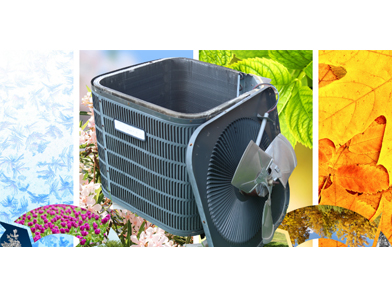
What are the Top 5 Signs My Furnace Needs Professional Repair?

Furnace Repair Indicators

The Ultimate Guide to Furnace Repair Indicators

Natural gas is abundant in Texas: twenty-eight percent of the nation’s natural gas supply comes from Texas. With this ready and inexpensive energy source, it is no wonder that 35 percent of Texas residential furnaces are powered by natural gas. The technology that goes into standard furnaces pulls 80-83 percent of energy, while high-efficiency furnaces convert 90-98 percent of energy from natural gas. It is a clean-burning and efficient fuel.

Natural gas furnaces provide a warm, familiar comfort, and they are usually quicker to heat a home than electric heat, even with a lower blower motor speed.

Natural gas furnaces need special care and maintenance to ensure they function well and safe. After all, you are bringing a flammable gas into the home, and the combustion produces exhaust gases that can be deadly. Here are the leading indicators that your natural gas needs furnace repair.

Unusual noises at the beginning of a heating cycle could indicate you need to call for a furnace repair appointment.

  • A pop with a delayed start. Pilot lights were phased out at the beginning of this century. Newer systems have electric ignition systems. If the ignitor component gets covered in soot, it can be slow to respond to the call for ignition. In the meantime, the valve releases a second or two of extra natural gas. When ignition happens, it creates a mini explosion. The pop is not dangerous, but the concussion can damage the brittle cast iron of the burner assembly. A broken burner is dangerous, so do not ignore this malfunction.
  • Expanding air ducts. During the heating season, the sheet metal of air ducts will expand and contract gently during and after a heating cycle. If the noise is more than gentle, it generally indicates a restriction of airflow. That might be caused by a closed vent or a clogged air filter. If it is chronic noise, it may result from an oversized system.
  • Grinding noise. A furnace has very few moving parts, so metal-on-metal grinding can only have one source—the blower motor assembly. Grinding noise might indicate a broken fan, a loose motor mount, or the need for lubrication. This noise is not just annoying; it is the sound of active damage to the system.
  • When an electrical control mechanism is weak and failing, it can give off a loud buzzing noise. This noise will not go away and is a warning of imminent failure and immediate furnace repair.

How to Spot Inefficiencies and Know When You Need Furnace Repair

  • The thermostat is the ON/OFF switch for the furnace (and air conditioner). When the temperature drops below the desired temperature setting, a message is sent from the thermostat to the furnace to begin a heating cycle. When the temperature reaches the desired comfort level, the thermostat senses it and sends a message to end the cycle. If the thermostat malfunctions, the messages are not sent properly. This may indicate a failing battery, or the thermostat may require recalibration. The problem will not go away without a solution, so do not ignore it.
  • Slow or missed heating cycles may also indicate a dirty flame sensor indicator. A furnace system is complex by necessity. When the thermostat calls for heat, the valve opens, releasing gas, and immediately the burner assembly begins producing heat. The blower motor moves the heat (indirectly) into the home, and when the desired temperature is reached, the thermostat ends the heating cycle. The sensors surrounding the burning of natural gas must be precise and efficiently close the gas valve but keep the blower motor running to capture all the available heat. These sensors are susceptible to soot and dirt, and a dirty sensor may result in poor performance.

Don’t Delay Your Essential Furnace Repair

If you’ve noticed unusual popping sounds, grinding noises, or inconsistent heating cycles, your system is trying to tell you something. Ignoring these warning signs doesn’t just lead to higher energy bills—it can compromise the safety of your home and the integrity of your furnace’s most expensive components. Whether it’s a soot-covered ignitor or a failing blower motor, catching these issues early is the key to a warm and worry-free winter. Don’t wait for a total system failure or a safety hazard to develop. Call All Cool AC & Heating today at 281-238-9292 to schedule an appointment with our expert furnace repair technicians and ensure your furnace repair is handled quickly and professionally.   

AC Repair Emergency: Your First Steps When the Cooling Stops

AC Repair Emergency

Facing an AC Repair Emergency? What to Do When Your Home Heats Up

Coming home or waking up to an unexpectedly hot house during the summer months can be quite alarming. After the initial shock and distress, it is time to take action. When a cooler head prevails, here are some steps to prepare for restoring air conditioning to your household during an AC repair emergency.

AC Repair Emergency: Quick Checks Before You Call for Help

Do some initial investigation.

  • Is the air conditioner receiving power? If not, first check the electrical service panel and find the circuit breaker marked “Air Conditioner.” If the breaker is tripped, turn it completely off and then on. Wait a few minutes. If a cooling cycle begins, be very observant. If the breaker continues to trip, a serious problem may have developed. If the breaker has not tripped, check the thermostat to make sure all the settings are correct. The indicator should be on COOL, and the temperature setting should be five degrees cooler than the indoor temperature.
  • Is the air conditioner running, but the air is hot and humid? First, check the air filter. A clogged air filter can restrict air flow through the air handler and interfere with the cooling function. Change the air filter and wait for results. If the cooling function returns, make sure to mark your calendar for a filter change every three months.
  • Is the air cool, but not cool enough to bring the home to the desired temperature setting? Are some areas cooler than others? Is the air cool, but the humidity high?
  • Next, look around and take notice of unusual sights, sounds, and smells. The presence of ice or a large water leak is a very important indication to your air conditioner technician. If the system is buzzing, screeching, or bumping, locate the noise, but do not touch anything. Flip the breaker to prevent further damage and wait for professional help. The air coming from the supply vents should be as fresh as the air in the home. If something smells bad or a little off, make a note of what you are observing.

Create a short list of your observations:

  • The condition of the air filter. If you change the filter, but the cooling function does not return, don’t discard the filter yet; the technician may want to observe the filter.
  • Write down the temperature setting and the actual temperature at the thermostat. The indoor temperature might change before the technician arrives.
  • Write down any steps you might have taken, for example, turning the system off, then rebooting like a computer. Record the results.
  • Write down all of the observations you made.

Now it is time to call the AC repair emergency professionals at All Cool AC and Heating. A wise homeowner will have developed a relationship with a local air conditioning company and perhaps have a favorite technician. Such contractor relationships help during times of emergency, and we are motivated to retain loyal customers. 

All Cool AC and Heating: Your Partner in Handling an AC Repair Emergency

When your HVAC system experiences an AC repair emergency, staying calm and performing these initial checks can help you understand the problem and provide crucial information to your technician. Remember, a trusted relationship with an experienced professional, like those at All Cool AC and Heating, ensures you’ll receive prompt, reliable service when you need it most. Don’t sweat it—we’re here to help restore your home’s comfort quickly and efficiently.

All Cool AC & Heating AC repair and maintenance professionals can assist with your Katy Texas AC repair emergency needs. Schedule your AC service or replacement appointment by calling All Cool AC & Heating at 281-238-9292 or contact us via email, and let our NATE-certified AC Repair Katy technicians put their experience to work for you.

6 Ways to Prep Your HVAC System for Winter

6 Ways to Prep Your HVAC System for Winter

Prep Your HVAC System for Winter in Six Easy Steps

The tough part of winter is now upon us. Fall gives us a sense of “easing” into cooler weather, but for the next few months, we expect temps to drop to their lowest all year long. However, the difference between outdoor cold and indoor warmth allows you to investigate potential problems and find solutions to make your home more comfortable. Take a casual walk around the “castle grounds” and discover ways to make changes for the better.

  1. Bend down and check your HVAC System air filter. Can you remember the last time you changed it? An air filter so coated with dust that it restricts airflow hinders HVAC System function in the summer and winter. Reduced airflow will result in a colder home in the winter and a warmer home in the summer. Clogged air filters created tremendous stress on the entire system.

Solution: change the air filter and develop a prompt to remind you to change the filter every three months.

  1. Check your thermostat view panel. Unless you have an old, analog thermostat, this switch operates on battery power and, just like alarm clocks and smoke detectors, the batteries will need to be changed annually to prevent thermostat failure. According to Murphy’s Law, that thermostat will die at the most inopportune time—during the middle of a rare snowstorm when the junk drawer battery supplies have run dry.

Solution: your thermostat may have a “low battery” indicator; if so, change the battery now. Then, add the thermostat to the list of other batteries you change annually.

  1. Check your records to determine the last time a professional serviced your HVAC system. Even when the entire system functions perfectly, the heating and ventilation processes create problems that work to bring the system to a standstill. The byproducts of burning natural gas produce water and soot—both work against the system for proper functioning. The electrical components wear with use, just like every other electrical device you use. Airborne particles get trapped and reduce efficiency along every process step.

Solution: schedule a maintenance visit and create a prompt to remind you each year.

  1. Use your hand and feel for drafts around windows and doors. Glass is a poor insulator and a great conductor of heat, so expect the glass to absorb heat from the room and feel cold. Drafts are different: cold air coming around windowpanes or frames happens because of openings in the building envelope. These openings tend to be very small and a minor concern individually. However, combining the sum of the openings around the home can be the equivalent of an open window.

Solution: caulk and weatherstripping are very inexpensive solutions to fill the gaps and close the “opening” in your building envelope.

  1. Use this same principle and, with your hand, discover any leaks along exposed ductwork. Most ducts will be covered up, but any leak allows warm air to escape directly outdoors. In this case, every minor gap is a problem since conditioned air is under pressure as it travels through the network of ducts.
  2. Poke your head into the attic. It’s probably been a while since you’ve done that! The entire attic should be covered by 10 to 12 inches of insulation. Check it with a ruler or measuring tape. The ceiling joists should be covered by insulation. This insulation acts as a barrier, keeping the heat from escaping during the winter.

Solution: add insulation to a depth of 12 inches to ensure comfort and warmth.

Let us help you winterize your HVAC System

Schedule your HVAC System consultation by calling All Cool AC & Heating at 281-238-9292 or contact us via email and let our NATE-certified HVAC System technicians put their experience to work for you.

5 Steps HVAC Systems Can Ease Allergies

5 Steps HVAC Systems Can Ease Allergies

Easing Your Allergies in 5 Easy HVAC System Steps

The trigger for allergies happens when a normally harmless substance is considered by the body as foreign; the body creates antibodies to attack the substance and works to remove it from the body. Five of the ten most common allergies are caused by airborne particles—pollen, dust mites, pet dander, mold, and perfumes/household chemicals. These allergens cause itchy and watery eyes, runny nose, nasal congestion, coughing, and wheezing.

Your HVAC system was designed to help reduce airborne particles, including most of these allergens, from homes and businesses. When you reduce the number of particles, you reduce the allergic response. If you or your family suffer from seasonal allergies, there are a few things you can do to enhance the normal filtration function and remove more allergens. Here are five easy steps to take to remove allergens using your HVAC system.

  1. Remove Existing Allergens.
    1. Stop new allergens from getting in by keeping windows and doors closed during allergy season. Weatherproof your doors and windows; it will make your home more energy-efficient, more comfortable, and will reduce drafts that bring in pollen and mold spores.
    2. Take your shoes off at the door to prevent depositing pollen throughout the house.
    3. Diligently clean hard and soft surfaces often during allergy season. Airborne particles, including pet dander, get deposited around the house and can be removed with a dust cloth or a vacuum cleaner.
  2. Upgrade Your Air Filter.
    1. Every HVAC system will have an air filter, designed to pull dust, dirt, and dander from the circulating air. Generally, air filters are made from paper or fiber with very small holes to let air through, but small enough holes to capture airborne particles.
    2. Air filters are rated by the size of the opening, with a Minimum Efficiency Reporting Value or MERV rating. Common air filters have a 6 MERV rating, but your HVAC system can handle an air filter with an 11 to 13 MERV rating. If seasonal allergies are a problem, an 11 MERV-rated filter or higher will take out dust and pet hair like other filters, but it will also collect microscopic pollen and mold spores.
    3. Air filters need to be changed to work efficiently. The collected particles will clog the filter and reduce the air flowing through the entire system. The rule of thumb is to change your air filter every three months, but each home is unique, and you will need to inspect it periodically to see if that is enough. Set a schedule with reminders to change your air filter on time.
  3. Consider Air Purification Additions.
    1. Ultraviolet light will neutralize living, organic matter, including pollen, mold, bacteria, and viruses. The lights are installed in the ductwork to kill off these allergens and prevent growth. The air filter picks them up more readily when they are inert.
    2. Ionization filters use static electricity to attract particles that the air filter might miss.
    3. Consult with your HVAC professional to explore whole house and portable room air purifier options.
  4. Keep Allergens Out of Ductwork.
    1. The powerful HVAC blower motor keeps most dust and airborne particles moving; even particles that might be deposited in ducts will be picked up and circulated during the next cycle.
    2. The Environmental Protection Agency does not recommend regular duct cleaning, since so little is deposited inside of ducts.
    3. There are a few reasons to have ducts inspected and cleaned. These reasons include:
      1. Discovering mold growth. If mold is growing in one area of the house, the spores are being carried through the ducts. As part of the mold mitigation, the ducts will need to be cleaned.
      2. If mice, rats, squirrels, or other pests have made a home in the ductwork, the mess they make will need to be cleaned as part of the removal process.
    • If an unusual amount of dust is collecting on surfaces, it may indicate a buildup that needs to be cleaned.
  1. Mold Will Follow Humidity.
    1. Mold can grow when organic material, including dust, and moisture is abundant.
    2. Areas where moisture can accumulate unnoticed include bathrooms, kitchens, laundry areas, basements, and leaky attics. Mold can also grow in areas that have previously experienced flooding.
    3. Inefficient or failing air conditioners can also lead to moisture and mold growth.
    4. Moisture accumulation normally requires repair and potential mold mitigation. If moisture continues to be a problem, portable room dehumidifiers are available to remove excess moisture from the air.

Have Questions About Easing Your Allergies in 5 Easy Steps?

Let us know how we can help with reducing allergens with proper HVAC system maintenance, call AllCool AC & Heating at 281-238-9292 or contact us via email.

5 Steps HVAC Systems Can Ease Allergies

3 Seasonal Care for Your HVAC System Tips

3 Seasonal Care for Your HVAC System Tips

Seasonal Care for Your HVAC System

Routine appointments are so important but so easy to neglect. Over the years, we have developed better ways to remind ourselves about routine things; refrigerators have indicator lights to remind you to change filters and new cars have oil change messages.

Labor Day has been designated as an indicator to change smoke alarm batteries; All Cool AC would like to suggest the transition from summer cooling to Fall heat be a reminder to care for your HVAC system. It is routine and can be easily forgotten, so put a reminder on your phone app to schedule a visit.

Your HVAC has been providing fresh air at just the right temperature faithfully for years. If you want it to continue providing that service, give it some regular TLC.

  • Honestly, when was the last time you cleaned the vents? Air circulates every time the system cycles, but when the blower stops, so does the air. Airborne particles, such as dust and pollen, get deposited inside the ductwork. Over the years, the accumulation can be significant, and you don’t need to breathe that in.

    It may be the reason you see more dust on surfaces. Since your arms are not long enough and you don’t have the proper equipment to clean them properly, this is a job for a professional. A thorough cleaning will remove the dust, dander, and pollen, greatly improving indoor air quality.

  • While you are in the cleaning mood, we can’t forget to replace your HVAC filters. Your AC filter prevents dust particles from entering the air of your home. A dirty HVAC filter will reduce the efficiency of your air conditioning and reduce the indoor air quality.

    A dirty AC filter can be dangerous to those family members with allergies or compromised immune systems. Regular replacement of your HVAC air filter will reduce your energy consumption and improve indoor air quality.

  • A seasonal maintenance visit can be very beneficial in several ways. First, you know your system is prepared for the heating season ahead. Second, you might have to avoid a cascade of problems. The furnace tends to fail when it is under stress—you guessed it, right as the temperature drops at nightfall.

    There is nothing quite like waking up in the cold. Instead of a seasonal maintenance visit, you are asking for an emergency visit. They tend to be very inconvenient for you and more expensive in the long run.

So, use the change from the cooling season to the heating season as a reminder to schedule a preventative maintenance visit.

Need Help Seasonal Care for Your HVAC System?

Let us know how we can help with your HVAC System Seasonal Care and HVAC maintenance, call AllCool AC & Heating at 281-238-9292 or contact us via email.

3 Seasonal Care for Your HVAC System Tips

How Your HVAC System Alleviate Allergies in Your Home

HVAC System Alleviate Allergies-1

Alleviating Allergies at Home with a High Performing HVAC System

Seasonal allergies, the reaction of our bodies to (mostly) airborne irritants, are unique to each individual sufferer. For instance, Spring tree pollen, mown grass, or mold spores do not seem to faze me; but there is a particular yellow weed that blooms in the Fall that gets me every time. Oh yeah, itchy eyes, nasal congestion, and body aches.

No matter what time of year your allergies come, your home can be an oasis from the irritants that aggravate seasonal allergies. Your home has several systems to help; a little knowledge will help you use them best for your unique allergies. We will also suggest improvements that can enhance existing systems if you need further help.

Use Ventilation to Your Advantage

Most homes are sealed to a significant degree, so most irritants come through doors and windows and not through gaps in the housing envelop. Once pollen comes in through the door, they are trapped inside until removed. A good seal house can contain 3 to 5 times more contaminants than outdoor air. One solution to eliminate irritants is opening doors and windows strategically.

If Oak pollen is your Kryptonite, make sure to keep doors and windows closed as much as possible for the two weeks are so that Oak pollen is active. If you have “Hay Fever” each time the lawn is mowed, keep those irritants outdoors while mowing.

Once the particular pollen or spore has passed, exchange the indoor air with outdoor air to remove trapped contaminants. Opening a couple of windows or doors for 15 to 30 minutes is enough time to completely exchange the indoor air with outdoor air.

Balance this need with the need to keep indoor air cool or warm as the season changes.

Clean Your Home Thoroughly

While this might be stating the obvious, dusting, mopping, and vacuuming weekly, more often if necessary, is a crucial step to remove contaminants from your home. Use products that trap dust with static electricity. Use a vacuum cleaner with a HEPA filter if possible.

Understand Air Filters

Year-round your HVAC system’s air filter is the most efficient tool to remove dust, pollen, mold, mildew, and pet dander from your indoor air. The more you know about how the air filter works the better you can prepare to improve indoor air quality.

Your HVAC system moves all of the air inside of your house several times per day as long as the blower is running. It pulls air through air returns, strategically placed throughout your home, filters the air, heats or cools/dehumidifies it, and sends it back through supply ducts. Filtration takes particles out of the air prior to conditioning the air, keeping sensitive electrical equipment clean.

Traditional air filters are made of composite materials (paper/fiber mix) thin enough for good airflow. Filters are rated on a MERV scale, from 1 to 16—the higher the MERV rating the better. High-Efficiency Particulate Air (HEPA) filters are a step up, considered between 17 and 20 on the scale. Use the best filter available for the cleanest air.

Make sure to change your air filter as often as needed. Change the filter at least every three months—consider changing the filter every month during your allergy season.

Maintain Proper Humidity

Your HVAC system not only cleans the air but also removes humidity to keep your home’s humidity at an ideal 30 to 50% humidity.

Air conditioners remove moisture from the air to prevent the growth of mold and mildew, common allergens.

Winter air is already drier and heated, warm, dry air can irritate sinuses. If your home or climate is very dry, consider a humidifier for the heating season. While humidifiers are useful to keep your nose and throat from drying out, overuse can lead to mold or mildew: monitor humidity to keep it between 30 to 50%. Make sure to keep the water and parts clean to prevent growth at the source.

Enhancement Options

Natural ventilation and air filtration by the HVAC system provide the first and best defense from indoor allergens, removing as much as 99% of airborne particles. But your home and family are unique and might need additional help. Here are a couple of options you might consider.

Ultraviolet lights. UV is the part of sunlight that damages your skin in a sunburn. Matter of fact, UV kills microorganisms, including pollen and mold spores, yeast, bacteria, and viruses. Typically, UV lights are installed inside return air ducts; the neutralized cells are easier to trap in the air filter.

Air purifiers. Room air purifiers are mobile devices with a multiple-stage filtration system. Often air purifier filters use activated charcoal, which pulls gases/odors from the air. They are small, quiet, and affordable. Whole-home purifiers are also available. They connect to the central HVAC system for seamless operation.

Do houseplants help?

The answer to the question is yes, but . . . not enough. You do not depend on a few houseplants to produce all of the oxygen needed in the home and the same plants cannot absorb all of the carbon dioxide produced in your home. To achieve such dependence, entire rooms would need to be filled with houseplants in a careful balance.

The same is true concerning the absorption of volatile organic compounds, harmful gaseous chemicals found in every home. Houseplants absorb 1% of the number of contaminants that the HVAC system handles. Consider houseplants to be great decorations and accessories, but they will not replace your HVAC system.

In summary, you have tools in your home to help eliminate most seasonal allergens. Contact All Cool to determine which options might best enhance your home’s system.

Interested in Learning How Your HVAC System Can Reduce Allergens in Your Home

If you are interested in learning How Your HVAC System Alleviates Allergies in Your Home, call AllCool AC & Heating at 281-238-9292 or contact us via email.

HVAC System Alleviate Allergies-1