Why is my furnace making loud noises?

Routine AC Maintenance

Bangs, Clicks, and Screeches: Why Skipping AC Maintenance Leads to Winter Nightmares

Often, a household is a busy place with lots of noise and activity. Our minds do not process all the stimuli that our eyes, ears, noses, and mouths take in during a single day. Even when everything settles and quiets down, there is plenty to hear. These are the background noises of life, different in each home, yet unique enough to make us familiar with our surroundings. 

A portion of that ambient sound is the familiar sounds of heating cycles during the winter. Some furnaces are whisper-quiet, and you barely notice the sound. Others are louder or more evident. Sometimes, a furnace will begin making noises that register as unusual and not a part of what is normally heard. Should you be concerned about loud, unusual noises from the furnace? Here is a short list of uncommon furnace noises and their significance and why you need AC maintenance.

The Link Between Noisy Heaters and AC Maintenance

Loud Pops or Bangs

The normal heating cycle involves a rather precise series of events with a singular result.

  • The thermostat registers that the indoor temperature has fallen below the comfort setting of the family.
  • It sends an electronic message to the furnace, calling for heat
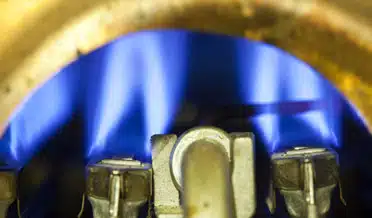
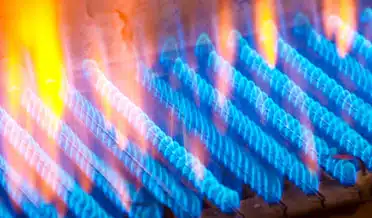
  • The signal opens the gas valve, releasing gas from the burner assembly, AND
  • The signal also triggers the electronic ignition system to ignite the gas coming from the burner assembly.
  • Another sensor detects gas and shuts the valve if the gas does not ignite, preventing an explosion.
  • However, if the ignition system delays for an extra second before igniting the gas, the ignition causes a little mini explosion.

That doesn’t sound so bad; however, the delayed ignition releases enough energy that it can damage the ignition system, the burner assembly, and/or the heat exchanger. Any of these damages can cause the furnace to quit functioning. Damage to the heat exchanger can release carbon monoxide and carbon dioxide into the home.

Solution: turn the furnace off and call All Cool AC and Heating for immediate repair. This is a very serious problem.

Persistent Clicking

Gas furnaces are complex electromechanical devices, and various components will emit occasional clicks. The thermostat relay may click audibly at the start and finish of a heating cycle. Various relays and switches click inside and around the air handler cabinet. The electronic ignition will click a few times, creating a spark to ignite the gas. (If you have a gas range, you might be familiar with this clicking in the kitchen.) If this clicking persists after the gas is ignited and/or after the heating cycle has ended, this is a serious issue.

  • This malfunction of a component will cause it to wear quickly and fail.
  • Without an electronic ignition, the furnace will malfunction, resulting in chilly temperatures indoors as well as outdoors.

Solution: turn the furnace off and call All Cool AC and Heating for immediate repair or time to schedule an AC maintenance appointment.

Screeching or Grinding Noises

There are very few moving parts in a furnace. If you hear a loud, annoying grinding or screeching noise, it is most likely a problem with the blower motor assembly.

  • The blower motor powers a rather large fan cage, which draws air from the house, through the furnace, and back into the house.
  • The motor has bearings. The fan cage is turned by a belt or chain. Friction and wear can cause any or all these parts to fail, resulting in these loud, annoying noises.
  • This may result in the loss of heat, although that is not a universal result. It may get noisy and continue to move air throughout the home.

Solution: turn the furnace off and call All Cool AC and Heating for an AC maintenance appointment.

Secure Your Home with Routine AC Maintenance

Don’t wait for a noisy breakdown to realize your HVAC system needs professional attention. By scheduling regular AC maintenance, you can catch small mechanical issues and ignition delays before they turn into dangerous winter emergencies. Our expert team at All Cool AC & Heating is ready to inspect your blower motor, sensors, and relays to ensure your home stays quiet and safe all year long. Contact us today to book your preventative AC maintenance tune-up and enjoy the peace of mind that comes with a perfectly functioning system.
How often does my heater need a furnace maintenance performed by a technician?

furnace maintenance

The Homeowner’s Guide to Annual Furnace Maintenance in South Texas

Well, this was another strong winter season. Normal winter temperatures, but with extreme cold that was deep and dramatic. Most Texas families were very thankful to have furnaces to keep their families warm and safe when temperatures dropped rapidly. Heating and air conditioning have become an indispensable part of life in South Texas; it is hard to imagine a home without these features.

However, furnace systems are complex mechanical systems, and like every other mechanical system, they need regular maintenance. Maintenance for automobiles is based on miles driven, but how often should a furnace receive preventative maintenance? Furnace maintenance should be based on climate and extreme temperatures, but generally, your HVAC system needs at least annual furnace maintenance. It is best to schedule furnace maintenance during slow times in the Fall, before heating emergencies tend to happen.

Maximize Your System’s Life: How Furnace Maintenance Adds 5 Years to Your HVAC

The benefits of regular furnace maintenance are quite remarkable.

  1. Furnace maintenance ensures high efficiency. Two aspects of heating and cooling use tend to reduce efficiency: friction and dirt. All Cool AC and Heat furnace technicians know the common mechanical and electrical wear points and where dust and debris tend to collect and prevent the movement of heat. Maintenance uncovers these small problems and fixes them before they become big problems.
  2. Improved efficiency reduces the amount of energy necessary to heat and clean indoor air, thus reducing energy consumption. Reducing energy consumption directly by reducing the energy bill.
  3. Improved efficiency reduces the cost of repairs over the long run. The most expensive repairs are emergency repairs. Scheduling regular maintenance avoids the stress of breakdowns and the inconvenience of difficult repairs. Of course, these difficult repairs generally happen during periods of extreme temperature, making them inconvenient and uncomfortable.
  4. Caring for a central heat system ensures that this important building system lasts as long as possible. The average lifespan for furnaces and air conditioners is about 15 to 20 years. Research shows that regular maintenance can add an additional 5 years to the useful lifespan.

Maintaining heating and cooling equipment should be a partnership between a homeowner and a contractor, like All Cool. Homeowner’s maintenance tasks generally do not require specialized equipment or training and include:

  • Changing the air filter quarterly
  • Inspecting and cleaning the space around the interior air handler and the exterior condenser unit.
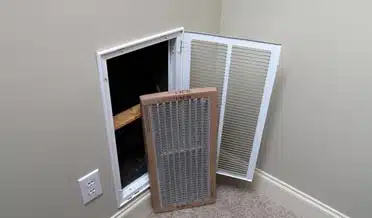
  • Keep supply and return vents uncovered for good airflow
  • Change the thermostat batteries annually

Safety First: The Critical Role of Furnace Maintenance in Preventing Hazards

HVAC Technicians will be responsible for maintenance tasks that require specialized tools and equipment, and include:

  • Inspecting and testing the ignition system and burner assembly, cleaning soot or rust away. The ignition system has very delicate sensors and must be handled properly. Corrosion or a crack in the burner can have disastrous consequences.
  • Heat Exchanger inspection and carbon dioxide testing are essential. This component is where exhaust gas containing carbon monoxide and carbon dioxide come in close proximity to inside air supply. Rust and corrosion can allow the two to mix, again, with disastrous consequences.
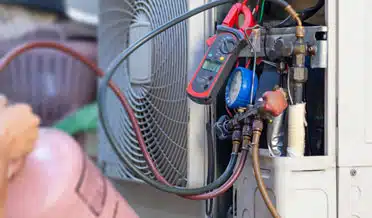
  • Heat pump systems use the same refrigerant gas as air conditioners. The gas pressure will be tested to detect a leak in the system.
  • The variable-speed function of the blower motor will be checked and lubricated as necessary, and the motor assembly will be inspected for wear.
  • Electrical wiring and connections will be inspected for signs of loose connections. Critical sensors, switches, and control mechanisms will be tested. Emphasis will be given to key stress points.
  • The thermostat calibration will be checked, and the batteries will be changed.
  • Heating cycle startup and function will be tested: temperature change should be evident within a given period of time.
  • And, if any of the tasks homeowners can do are left undone, the All Cool technician will complete these tasks as well.

Schedule Your Inspection Today for Total Peace of Mind

Don’t wait for the next South Texas cold snap to find out if your heating system is up to the task. Protecting your home’s safety and maximizing your equipment’s lifespan starts with a proactive, professional tune-up. Call All Cool AC and Heating now to schedule your furnace maintenance and ensure your family stays warm, efficient, and safe all season long.

Call All Cool AC & Heating today at 281-238-9292 to schedule your furnace maintenance appointment and get your system back on track.

Why is my HVAC System Will Short Cycle?

Why is my HVAC System Will Short Cycle?

AC Repair: Understanding the Short Cycle

During normal operations, you should hear your furnace complete 2 or 3 heating cycles per hour, with each cycle lasting approximately 10 to 15 minutes. During extremely cold days or if a home is poorly insulated, heating cycles may be slightly more frequent or last a little longer. However, if heating cycles come very quickly and end just as quickly, this is a condition called “short cycle.”

A short cycle happens when the furnace heats the home successfully, reaching the temperature setting indicated by the thermostat. However, the cycle ends before the air has time to mix and circulate, so rooms that are the most distant from the thermostat are still cold. The cold air forces the thermostat to call for another heating cycle, which, again, ends too soon.

4 Hidden Reasons Your Furnace Will Short Cycle

Short cycles indicate one of several underlying problems that need to be addressed. They include:

A Wrong-sized Furnace. Before a furnace is installed, a technician completes a J-Load calculation, measuring the square footage, insulation value, window and door openings, and other factors about the home that affect heating and cooling. The calculation indicates the proper size furnace, measured in BTU output. A system too small will struggle to keep a home warm with “long cycles,” and a system too large will cause “short cycles.” Both cause furnaces (and air conditioners) to run inefficiently and wear out too quickly.

A Dirty Air Filter. The furnace is working to create sufficient warm air to make a home comfortable. But a dirty filter will reduce the airflow needed to move the heat throughout the home. Dust and other airborne particles collect on the surface of the filter until the filter is completely covered. For this reason, an air filter needs to be changed about every three months (more often if needed).

Thermostat Malfunctions. A properly placed thermostat will be installed on an inside wall, and out of direct sunlight. It functions best when placed in a central spot in the home. If the thermostat is improperly placed, it should be moved. Thermostats are battery-powered, so remember to change the battery annually. Occasionally, thermostats experience wear and need to be recalibrated. A malfunctioning thermostat will cause a furnace system to have short cycles.

Malfunctioning System. An aging or worn furnace may experience electrical or mechanical problems that create the conditions for short cycles. A heat pump that loses refrigerant will also lose the ability to collect heat from outdoors: the blower motor will continue to blow, but the heat will be missing from the coil. Wear can also affect sensors and control mechanisms, including capacitors and control boards (small computers).

If your furnace system begins to exhibit any short cycle tendencies, try these tasks in this order.

  1. Purchase a supply of air filters and change the filter. Observe the furnace to determine whether the short cycles have ended. Make sure to change the air filter regularly.
  2. Check the thermostat settings. Ensure that it is on HEAT or EM/AUX HEAT and that the temperature setting is at least 5 degrees lower than the temperature indicated on the thermostat face.
  3. If the settings are correct, turn the thermostat OFF temporarily and change the battery (or batteries). Observe to see whether the short cycling has ended.
  4. Check the vents and registers around the home. Make sure all are uncovered, since covered vents will reduce circulation.
  5. If short cycles continue, call your furnace/air conditioner technician for maintenance and repair.

Stop the Short Cycle Today

If your system is trapped in a persistent short cycle, ignoring the problem can lead to sky-high energy bills and premature equipment failure. These rapid bursts of activity put unnecessary strain on your HVAC components, often indicating a deeper issue like a faulty sensor or an improperly sized unit. Our professional technicians have the tools and experience to diagnose your system and restore perfectly balanced comfort to every room in your home. Call All Cool AC & Heating today at 281-238-9292 to schedule your AC maintenance appointment and get your system back on track.

How much does furnace repair cost?

Trustworthy Furnace Repair

How Much Does Furnace Repair Cost? A 2026 Price Guide

Finding a trusted furnace contractor partner can be problematic, since there are so many questions and too few answers available without an accompanying sales pitch. Plenty of technicians can complete maintenance and make repairs, but finding a trustworthy person that is affordable can be rather tricky. This makes confident decisions very difficult. On the other hand, a contractor can’t prescribe a cost for labor and parts for a furnace sight-unseen. One measure that can meet the needs for answers for homeowners without tying a technician to an unrealistic expectation is to provide a range of costs for maintenance and repairs.

Furnace Maintenance

Let’s start with the most fundamental task: furnace maintenance. Maintenance plans can begin with a one-time inspection and develop into an annual maintenance plan.

  • A basic furnace inspection should cost between $100 and $200
  • A comprehensive maintenance plan should cost between $150 and $300

Please remember that we are including a range for a reason. Each HVAC system is different, requires different maintenance requirements, and exact estimates are only available during the maintenance appointment.

Furnace Repair Labor Cost

The cost of labor can vary greatly, and for good reasons. Some projects are simple, and some projects are very complicated. Some furnaces are free-standing, and others are in very confined spaces. Expect that labor for electric furnaces costs differently than servicing natural gas-powered furnaces.

  • Labor for projects can range between $100 and $200
  • Labor costs for repairs on electric furnaces range between $100 and $300
  • Labor costs for repairs to natural gas furnaces range between $150 and $500
  • Labor costs for emergency calls—late at night, weekends, or in extreme temperatures—can vary since there are many determining factors.

Again, you will receive a comprehensive quote during your furnace repair appointment with your All Cool Furnace repair technician.

Furnace Repair Costs

The costs for repairs include the cost of labor and the cost of components and supplies. The cost of components varies greatly depending on brand, age of the system, and the availability of parts. The labor cost of repairs varies according to the time needed to make the repair. Therefore, we can give some generalizations about projects and give a range, based on our experience with such projects.

  • Thermostat repair costs range between $100 and $300, while replacement of a thermostat may cost upwards of $600, depending on the features of the thermostat.
  • Blower motor repairs range between $200 and $300, while replacement costs range between $500 and $900.
  • Some components are both expensive to replace and difficult to access; as you might imagine, replacement costs are higher for these projects. For example, replacing a heat exchanger for a natural gas furnace can exceed $1500.

This is a starting point: the exact cost of furnace repair labor and parts will be discussed during your furnace repair appointment. 

When Furnace Repair is Not an Option: Furnace Replacement

The cost of replacing a furnace is very complex; it generally requires replacement of the air conditioning system as well. Some of the factors that determine replacement costs include:

  • The characteristics of the home: square footage, insulation quality, number of doors and windows, orientation of the home, etc. Our furnace installation technicians will offer a J-Load Calculation as a free estimate. The J-Load will determine the size of the furnace and air conditioner.
  • The type of system is also a factor in cost. Electric furnaces are less expensive and require less labor than natural gas systems.
  • Both furnaces and air conditioners have efficiency ratings. High-efficiency systems cost more than standard efficiency systems.

Be sure to request a J-Load Calculation from your All Cool Furnace repair technician. The more information you can gather, the more confident you will be in your decision if you need to replace your entire HVAC system.

Trustworthy Furnace Repair: Why All Cool Prioritizes Transparent Pricing

Don’t let a malfunctioning heater leave you in the cold when professional help is just a phone call away. Whether you are dealing with a minor component failure or need a comprehensive system diagnostic, our team provides transparent pricing and dependable furnace repair tailored to your budget. Contact All Cool AC & Heating today to speak with an expert technician and receive an honest quote on your furnace repair needs. Take the guesswork out of your home comfort by calling us at 281-238-9292 to schedule your service.

Call All Cool AC & Heating today at 281-238-9292 to schedule an appointment with our expert furnace repair technicians and ensure your furnace repair is handled quickly and professionally.   

What are the Top 5 Signs My Furnace Needs Professional Repair?

Furnace Repair Indicators

The Ultimate Guide to Furnace Repair Indicators

Natural gas is abundant in Texas: twenty-eight percent of the nation’s natural gas supply comes from Texas. With this ready and inexpensive energy source, it is no wonder that 35 percent of Texas residential furnaces are powered by natural gas. The technology that goes into standard furnaces pulls 80-83 percent of energy, while high-efficiency furnaces convert 90-98 percent of energy from natural gas. It is a clean-burning and efficient fuel.

Natural gas furnaces provide a warm, familiar comfort, and they are usually quicker to heat a home than electric heat, even with a lower blower motor speed.

Natural gas furnaces need special care and maintenance to ensure they function well and safe. After all, you are bringing a flammable gas into the home, and the combustion produces exhaust gases that can be deadly. Here are the leading indicators that your natural gas needs furnace repair.

Unusual noises at the beginning of a heating cycle could indicate you need to call for a furnace repair appointment.

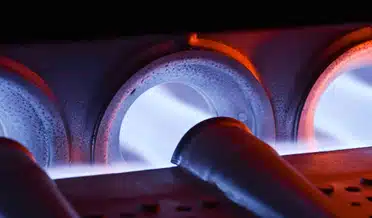
  • A pop with a delayed start. Pilot lights were phased out at the beginning of this century. Newer systems have electric ignition systems. If the ignitor component gets covered in soot, it can be slow to respond to the call for ignition. In the meantime, the valve releases a second or two of extra natural gas. When ignition happens, it creates a mini explosion. The pop is not dangerous, but the concussion can damage the brittle cast iron of the burner assembly. A broken burner is dangerous, so do not ignore this malfunction.
  • Expanding air ducts. During the heating season, the sheet metal of air ducts will expand and contract gently during and after a heating cycle. If the noise is more than gentle, it generally indicates a restriction of airflow. That might be caused by a closed vent or a clogged air filter. If it is chronic noise, it may result from an oversized system.
  • Grinding noise. A furnace has very few moving parts, so metal-on-metal grinding can only have one source—the blower motor assembly. Grinding noise might indicate a broken fan, a loose motor mount, or the need for lubrication. This noise is not just annoying; it is the sound of active damage to the system.
  • When an electrical control mechanism is weak and failing, it can give off a loud buzzing noise. This noise will not go away and is a warning of imminent failure and immediate furnace repair.

How to Spot Inefficiencies and Know When You Need Furnace Repair

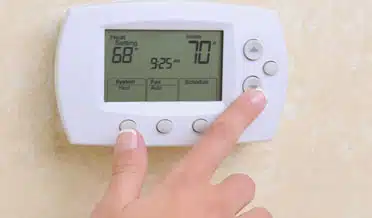
  • The thermostat is the ON/OFF switch for the furnace (and air conditioner). When the temperature drops below the desired temperature setting, a message is sent from the thermostat to the furnace to begin a heating cycle. When the temperature reaches the desired comfort level, the thermostat senses it and sends a message to end the cycle. If the thermostat malfunctions, the messages are not sent properly. This may indicate a failing battery, or the thermostat may require recalibration. The problem will not go away without a solution, so do not ignore it.
  • Slow or missed heating cycles may also indicate a dirty flame sensor indicator. A furnace system is complex by necessity. When the thermostat calls for heat, the valve opens, releasing gas, and immediately the burner assembly begins producing heat. The blower motor moves the heat (indirectly) into the home, and when the desired temperature is reached, the thermostat ends the heating cycle. The sensors surrounding the burning of natural gas must be precise and efficiently close the gas valve but keep the blower motor running to capture all the available heat. These sensors are susceptible to soot and dirt, and a dirty sensor may result in poor performance.

Don’t Delay Your Essential Furnace Repair

If you’ve noticed unusual popping sounds, grinding noises, or inconsistent heating cycles, your system is trying to tell you something. Ignoring these warning signs doesn’t just lead to higher energy bills—it can compromise the safety of your home and the integrity of your furnace’s most expensive components. Whether it’s a soot-covered ignitor or a failing blower motor, catching these issues early is the key to a warm and worry-free winter. Don’t wait for a total system failure or a safety hazard to develop. Call All Cool AC & Heating today at 281-238-9292 to schedule an appointment with our expert furnace repair technicians and ensure your furnace repair is handled quickly and professionally.   

What Are the Risks of Delaying the AC Repair Until Spring

Warning Signs: 3 Things That Lead Directly to Expensive AC Repair

The Real Cost of Delaying Your Annual AC Repair and Heating Tune-Up

South Texas usually experiences winters that are mild enough to give us bragging rights over our northern family and friends. However, cold winter temperatures are present enough to compel us to rely upon a good central heating system. Face it, we can choose between natural gas, electricity, or a heat pump system, but we are still depending on the same type of furnace that the rest of the country is using. These systems provide security, comfort, and a healthy indoor environment during extreme temperatures.

That means that we need to look after our very important building system to protect it from the harm that comes from ignoring maintenance. Heating and air conditioning systems require regular AC maintenance in the same way that cars need regular oil changes, tire rotations, and brake inspections.

The heating and air conditioning system is a complex network that combines mechanical, electrical, and chemical reactions to condition indoor air to counter outdoor environmental conditions. The complexity of the system makes regular maintenance important for several reasons.

Comprehensive Guide to HVAC Maintenance: Reduce Bills, Improve Air, Avoid AC Repair

  1. Dirt, dust, and pollen act to clog filters and condenser grids. They tend to coat components, which can affect indoor air quality or impede heat transfer. These contaminants need to be cleaned away.
  2. Moving parts and electrical connections inevitably result in wear. Some wear creates electrical resistance and requires components to use more energy than normal. Some wear causes corrosion and weakness in metal components. Either way, wear cannot be ignored for long. Neither can AC repair.
  3. AC Maintenance often catches stress and weaknesses that affect efficiency and function. Catching these problems early helps to save on energy bills, reduce further stress, and avoid costly and inconvenient breakdowns.
  4. Such care tends to extend the useful life of the system. The average heating and cooling system lasts about 15 to 20 years. Regular AC maintenance can extend that span by about 5 years.

The Role of Preventive Maintenance in Avoiding Major AC Repair

How does one go about properly caring for a heating and cooling system?

First, it is important to select a quality heating and air contractor to service and repair your home’s system. A technician will visit your home repeatedly, accessing several spaces inside and outside of the home. The same person needs to be trained to service and repair your brand, model, and size system. Make a good choice.

Find a good memory prompt. Seasonal changes work. Calendars, either physical or phone versions, will also work. Add prompts for quarterly air filter changes at the same time.

Get to know the essentials about your heating and air conditioning system.

  • Is your furnace powered by natural gas or electricity? Does it use heat pump technology?
  • What size is the furnace? What size is the air conditioner?
  • Are there auxiliary features of your system that you might not be aware of? There might be an immediate bonus to this knowledge!

This information will be very useful when the time comes to replace the system.

Regular maintenance will:

  • Improve indoor air quality.
  • Save significant money on the monthly energy bills.
  • Keep the system functioning as efficiently as possible.
  • Reduce the cost of AC repair by catching small problems before they become big problems.
  • Lengthen the serviceable life of the entire system.
  • Help you be prepared when the time comes for AC replacement.

Don’t Risk Your Comfort: When to Call for AC Repair Before Winter Ends

Ignoring your unit’s needs now can lead to a complete system failure when you need it most, resulting in complex and expensive AC repair later. Don’t risk a winter breakdown or compromise your indoor air quality by skipping essential maintenance. Protect your investment, reduce energy bills, and ensure peak performance year-round. Call All Cool AC & Heating today at 281-238-9292 to schedule your AC maintenance appointment and avoid that emergency AC repair!

What happens when I do not get my furnace maintained regularly?

Annual Furnace Maintenance

Don’t Skip Your Tune-Up: Why Annual Furnace Maintenance Is Non-Negotiable

How long has it been since your furnace was inspected and cleaned? Do you leave yourself a prompt to remind you to schedule preventative maintenance, or do you just ignore the recommendations from industry professionals? What can you expect from preventative maintenance? What can you expect from ignoring preventative maintenance? 

Your heating and cooling system consists of mechanical, electrical, and chemical components rolled together into one major building system. The closest thing to compare it to in our experience is an internal combustion vehicle, which is composed of electrical and chemical parts. We know what happens to a vehicle if maintenance is ignored; we can expect a short life with lots of problems. The same thing happens to a residential heating and cooling system when maintenance is ignored.

Mechanical Components Need Furnace Maintenance

  • The largest mechanical component in a heating system is the blower motor. The motor turns a massive fan that, 1) pulls all air from the home, through the ducts, into an air handler chamber, and 2) pushes the air back into the home. This happens quickly and often—a couple of heating (or cooling) cycles per hour. These fans are usually driven by a belt or chain; either is subject to wear and damage. That means that the blower motor is called into use more than 20,000 times annually under normal circumstances. It is hard to argue against maintaining such a hard-working motor.
  • Two smaller motors are also working just as hard in the outdoor condenser unit. One motor turns the condenser fan, and the other is a compressor motor, compressing the refrigerant gas to make the air conditioner and/or heat pump function. The consequences of these motors failing can be air conditioner failure and replacement. Ignoring maintenance can be expensive.

Electrical Components Need Furnace Maintenance

The electrical system that controls the heating and cooling system is quite complex and particularly vulnerable to the buildup of dirt from many sources.

  • Sensors detect heat in almost every phase of heating and cooling. The thermostat detects indoor temperature, yes, but other sensors detect temperature variations in the air handler chamber and other sections to ensure efficiency and safety.
  • The air filter is designed to clean the air in a home, but it also protects interior sections of the heating and cooling system from dust, dander, pollen, and other airborne contaminants. Letting this filter clog or fail will make the entire system work harder than necessary, putting stress on the electronics in particular and the whole system in general.
  • Normal use creates wear on all electrical parts. We are quite familiar with how use affects light bulbs. Even when a bulb does not get bumped or damaged, it still fails. Electrical components wear under normal conditions. A worn part creates stress on surrounding electronics. Maintenance detects these minute stress points, with recommendations for the replacement of minor parts while the problem is still minor. Delaying or ignoring these stresses can lead to larger stresses and more expensive replacements.

Chemical Components Need Furnace Maintenance

  • Both air conditioners and heat pump systems use manufactured gas that readily transports heat. Collectively, these gases are called refrigerants. A loss of refrigerant pressure will reduce heat pump efficiency and eventually lead to heat pump system failure.
  • Natural gas or propane furnaces ignite and burn gas in a system that must be carefully maintained to function properly and keep the occupants safe. Water vapor from the combustion will create rust. If rust creates an opening in the burner assembly, heat exchanger, or exhaust pipe, it can leak harmful exhaust gas into the home with disastrous consequences.

Maintaining each of these systems is extremely important for continued efficient furnace function.

Is Your Furnace Winter Ready? Schedule Your Preventive Furnace Maintenance Now

Don’t wait until a critical component fails—safeguard your home and health by investing in thorough furnace maintenance. Regular inspections are non-negotiable for detecting the small electrical, mechanical, or chemical stresses that lead to costly breakdowns and safety hazards. Protect your family and extend the life of your unit by contacting us today to schedule your essential preventative furnace maintenance appointment.

Call All Cool AC & Heating now to book your furnace maintenance appointment and prepare for a worry-free winter!

Furnace Maintenance: Detailed Explanation of the Process

Furnace Maintenance

How Furnace Maintenance Protects Your Home and Health

This is the time of year to complete a routine checkup for a residential furnace; this is a responsible maintenance step for homeowners. Check-ups ensure that the furnace is prepared to function properly and efficiently all winter long. Maintenance often uncovers a weakening part that might create a breakdown. Maintenance is much preferred to experiencing a breakdown at the most inopportune time during a deep cold snap.

Furnace Maintenance might seem like a slight, even unnecessary, task. To fully appreciate the work provided by trained professionals, it might be useful to know what happens and why the maintenance tasks are important. So, what is involved in furnace maintenance?

There are three types of furnaces used in our region:

  1. Natural gas-powered furnaces
  2. Electric furnaces
  3. Heat pumps

All three types of furnaces use some of the same components. Maintenance will inspect, clean, and test these components to enhance performance and efficiency. These parts include:

  • Electrical controls. Furnaces employ a complex network of sensors, switches, and control devices that detect temperature, turn various components on and off, and set limits for safe functioning. The current that flows through these control mechanisms ranges from 220 volts to 14 volts; needless to say, it is extremely important to know the difference between electrical currents.
  • The main ON/OFF switch is called the thermostat, that small control device attached to the wall. Thermostats are usually battery-powered, and the checkup will include changing the batteries.
  • A network of ducts transports the heated, conditioned air throughout the home and brings it back to the furnace for redistribution. A heater maintenance visit will include a general inspection of the visible ductwork to uncover glaring problems.

Gas-Powered Furnace Maintenance

These furnaces create heat by the combustion of natural gas. Natural gas is both flammable and explosive. Combustion produces both carbon dioxide and carbon monoxide. Both gases are lethal when introduced to the indoor air. For these reasons, it is vitally important to check the system for safety as well as efficiency.

  • The ignition system receives an electronic signal, calling for a heating/burning cycle. Old systems used a pilot light. New systems use an electronic ignition system to light the flame. Dirt and soot can interfere with proper ignition, so it needs to be carefully cleaned.
  • A burner assembly burns the natural gas in a chamber to collect the heat. Another product of the combustion of natural gas is water vapor. When water vapor contacts cast iron, rust will develop. The burner assembly needs to be inspected and cleaned for both safety and efficiency.
  • The combustion chamber is a heat exchange chamber that transfers the heat to an outer chamber. Rust is corrosive and can create openings in the heat exchanger and exhaust pipe, allowing exhaust to enter the home with disastrous consequences.

Preventive furnace maintenance of natural gas-powered furnaces is very important.

Electric Furnace Maintenance

These furnaces use electrical resistance to create heat. Current passes through a strong heating element and the element gets red hot—about 1,1000 Fahrenheit. Air is passed over the heating elements and blown into the home. Furnace maintenance includes inspection of the elements and controls.

Heat Pump Maintenance

Heat pump furnaces do not create heat; they simply move heat from outdoors. It is the air conditioner in reverse. Instead of moving heat inside the house to the outside, it moves heat from outside the house inside. This will only work efficiently until the outside air drops below 350, when it becomes harder to collect heat from outdoor air. Heat pumps use a heating element system as a backup. Maintenance for a heat pump includes:

  • Testing the refrigerant gas that makes heat transfer possible.
  • Cleaning and inspecting the outdoor condenser coil
  • Cleaning and inspecting the indoor evaporator coil

Boost Performance and Longevity with Regular Furnace Maintenance From All Cool AC & Heating

Don’t risk a breakdown in the freezing cold—ensure your home’s safety and comfort by scheduling your essential furnace maintenance today. The experts at All Cool AC and Heating are ready to inspect your system, enhance its efficiency, and prevent those costly winter surprises. Call All Cool AC & Heating now to book your appointment and prepare for a worry-free winter!

How Often Should You Change Your AC Filter?

AC Filter

Stop Stressing Your HVAC: The Dangers of a Clogged AC Filter

Homeownership is a part of the American dream. However, homeownership also includes several regular maintenance tasks, that, if neglected, can result in disagreeable results. Gutters without guards need to be cleaned regularly to prevent clogged downspouts. Battery-powered devices (such as smoke detectors and thermostats) need the batteries replaced to make sure they function properly when called upon. One such simple maintenance task that should not be neglected is changing the air filter on the heating/cooling system.

How Dirty is Indoor Air?

The air inside our home seems so very clean. You do not realize how many airborne particles are floating around inside until the late afternoon light shines through the window and illuminates the dust particles. The sources of most particles are quite simple and unavoidable:

  • Most indoor dust particles are skin cells from human and animal inhabitants that naturally flake off.
  • Wind and motion stir up fine dirt particles that find a way indoors.
  • Pollen follows us indoors or is generated by household plants.
  • Exhaust from various sources brings both gas and particulate matter also collect indoors. That includes exhaust from outdoor sources (internal combustion engines and industrial activities) and indoor activities (candles and tobacco smoke).

It seems that indoor air is not as clean as it seems. Air filters provide a vital service to ensure our homes are healthy spaces to live.

Why Change the AC Filter?

Air filters are very efficient, removing most airborne particles. Since the entire volume of air passes through an air filter several times per heating or cooling cycle, the airborne particles quickly coat the filter surface. When the collection builds up, the clogged air filter reduces the amount of air that can pass through the filter. Both heating and cooling functions require vast amounts of air movement through the air handler cabinet. Restricting airflow creates tremendous stress on the blower motor and the electrical control mechanisms that direct the comfort cycles. The result of ignoring a clogged filter is similar to driving a car with the emergency brake on.

How Often Should the AC Filter Be Changed?

Each home is unique, and each family is unique.

  • Some homes are located near pollution sources with exponentially more airborne particles than most homes, like dirt roads or active construction sites.
  • Some family members have asthma, allergies, or breathing difficulties and need more frequent filter changes.

A very general rule of thumb is to change the filter every three months/four times per year, but your home might require more frequent changes. Purchase adequate filters for a year and schedule prompts on a family calendar or phone app. Use whatever makes sense to you:

  • The official change of seasons
  • Birthdays or holidays, or
  • Any other pneumatic device that will remind you of this important maintenance task.

Beyond the AC Filter: Schedule Maintenance to Check for Hidden HVAC Damage

You can handle the AC filter replacement, but don’t ignore the hidden damage a clogged filter may have already caused your system. Protect your expensive HVAC equipment from premature failure by scheduling a professional maintenance appointment today. Our expert technicians will inspect your unit for stress and ensure all components are running smoothly and efficiently. Call us now to book the vital service your system needs for long-term health.

Schedule your next AC maintenance appointment with All Cool AC & Heating today to take advantage the long-term rewards of a well-maintained system.

Katy Texas AC Maintenance Explained

Katy Texas AC Maintenance Explained

How Often Should AC Maintenance Be Done?

After a lengthy summer, with plenty of hot, humid days and nights, fall is upon us. The temperatures will finally cool off a bit, so for the next few months, the mild temps and drier air will create a mild reprieve for your air conditioning system. The demand for this vital system decreases radically. This is an excellent time to complete some much-deserved preventative AC maintenance for the air conditioner.

A lot is said about AC maintenance. However, the majority of conversations originate from individuals who provide AC maintenance services. Is this conversation self-serving or a public service? Actually, the conversation arises from technicians with decades of experience in the heating and cooling industry, and they know the difference regular AC maintenance makes.

How Routine AC Maintenance Delivers Lower Energy Bills

  • AC Maintenance measurably improves the efficiency of an air conditioning system; most air conditioners are 5% more efficient annually with regular maintenance.
  • This efficiency can be measured in a way that really matters—lower energy bills each month.
  • A well-maintained system keeps indoor air quality measurably cleaner, making the air healthier and the home less dusty.
  • Regular AC maintenance adds years of serviceability to a system; maintained systems generally last 5 years longer than those without maintenance.

How Often is AC Maintenance Really Necessary? The Honest Answer from the Experts

Each year, for the benefit of customers, air conditioner technicians remind homeowners to maintain their systems, and those who heed the message reap the benefits.

What is involved in maintaining an air conditioner? Regular AC maintenance includes three main tasks—cleaning, inspecting, and testing.

  • The primary purpose of an air filter is to clean the air, and it cleans the air very efficiently. To ensure the air filter performs well, it needs to be cleaned or replaced at least quarterly. A preventative maintenance visit will include replacing the filter and a reminder to the homeowner to schedule regular replacement every three months.
  • Two coils facilitate the transfer of heat, the process that we recognize as air conditioning. A major requirement for these coils to function is that they are kept clean, but dirt, dust, pollen, and yard debris threaten to gum up the coils. The outdoor coil, the condenser, can be cleaned with a garden hose. The indoor coil, the evaporator, is found in the air handler closet. It can be cleaned with a spray bottle filled with a cleaning solution. However, damaging either of these coil sets can be detrimental to your HVAC system. Cleaning should be left to the professional to protect your system components.
  • A visual inspection is made of the entire system. This often catches obvious issues, such as a worn or cracked belt in the blower motor assembly, a loose electrical connection, or other evidence of wear. Drain pan and drain lines are inspected for water build-up or clogs.
  • Extensive testing will be completed, using specialty tools and training. The refrigerant gas must be maintained within a narrow pressure range to affect cooling. The refrigerant is transported through a network of tubes, flowing inside and outside, and through both coils. The smallest of nicks or flaws will release this gas into the atmosphere. This is not good for the system or the environment.
  • An air conditioner is controlled by a complex electrical network of sensors and controllers. The current passing through wires may carry as little as 14 volts or as much as 220 volts. Testing takes the proper equipment and training. Finding and replacing a weakened control mechanism can keep a small issue from becoming a major problem.

Spring and Fall: The Best Times You Need to Schedule AC Maintenance

Ultimately, scheduling professional AC maintenance twice a year—ideally in the spring and fall—is the single most effective way to protect your investment, ensuring maximum efficiency and cleaner indoor air. This routine commitment to cleaning, inspection, and testing not only lowers your monthly energy bills but also significantly adds years of reliable service to your air conditioning unit. Don’t wait for a breakdown; schedule your next appointment with All Cool AC & Heating today to reap the long-term rewards of a well-maintained system.