HVAC Spring Cleaning To Reduce Allergens

HVAC Spring Cleaning To Reduce Allergens

Your HVAC Spring Cleaning Checklist

Spring cleaning may have ancient origins in religious practices, but it became a necessity during the early days of westward expansion. Long winters were difficult and settlers burned multiple fuels to illuminate rooms and keep the house warm. Depending on the location, the fireplace might burn wood or peat, a stove might burn coal or oil, and candles, lamps, and lanterns used kerosene or whale oil.

By the time spring arrived, soot and dust-covered most surfaces. Windows and doors could be opened once again, letting fresh air in as all of the soot and dust accumulation were thoroughly cleaned from every surface.

Springtime remains a favorite time to thoroughly clean the house from top to bottom. Winter weather keeps the house closed up for long periods; warmer temperatures and open windows inspire homeowners to clean and declutter. Spring is a great time to clean, so All Cool is encouraging you to conduct an HVAC Spring Cleaning and make indoor air quality a special project this year. We’ll go room-by-room with recommendations to make a safer place to live and breathe.

Allergen Reducing HVAC Spring Cleaning Checklist

1 Foundation Levels. Let’s start with the basement, crawl space, or foundation of your home. All three are susceptible to seeping water and the damage it can cause. Water can lead to

    • Mold growth
    • Water damage
    • Wood rot
    • Increased humidity

Check your foundation level for current water problems and make repairs without delay; the problem will neither go away nor get better with time. Check for standing water near foundation walls. Channel stormwater from your downspouts a minimum of three feet away from the house. This can be achieved with splash guards or flexible extensions.

2 HVAC Closet. Often, your central heating, ventilation, and air conditioning (HVAC) system is surrounded by a mechanical closet that will need attention. As the air circulates with every heating and cooling cycle, airborne particles, such as dust and dander are trapped by the air filter. Cleaning around your HVAC system is important for several reasons.

    • Dust is the enemy of your HVAC system, causing mechanical stress and energy inefficiency
    • Airborne particles are the leading cause of seasonal allergies and other breathing illnesses

In addition to cleaning the dust and debris from the closet, change your air filter every three months and call your HVAC professional to schedule an annual preventative maintenance visit. This ensures that it functions efficiently, safely, and cleanly.

3 Laundry Area. We are such creatures of habit! Often, we clean and dry our clothes at the same time that we clean the house; no wonder the laundry room gets neglected. Confined spaces also make it hard to clean. Take some time to thoroughly clean some real messes.

    • Make sure to clean the dryer vent. A dirty vent, clogged with lint, will make your dryer run hotter and can lead to a house fire.
    • Make sure water supply hoses and the drain hose are properly connected without leaks. Wet surfaces in hidden spaces can promote the growth of mold, with spores that can lead to serious illness.
    • Spilled laundry products are generally sticky and collect dust and dirt.

4 Scrubbing the Kitchen. The kitchen sees a lot of action and that results in significant messy situations. Since you prepare food in the kitchen, it probably gets cleaned often. During your spring cleaning, take some additional steps to keep everyone safe.

    • This is a good time to empty shelves and dust. You may need to declutter a little as well.
    • Move appliances when possible to clean behind, beside, and underneath.
    • Use a vacuum cleaner to clean the refrigerant coils on your refrigerator and/or freezer.
    • If your oven needs to be clean, be careful to use non-toxic cleaning supplies.

5 Bathrooms get cleaned regularly, but we can recommend a few HVAC Spring Cleaning steps further.

    • Springtime is a good time to give tile and grout some extra attention. Proper care and sealant can prevent the growth of mold, which is both dangerous and unsightly.
    • Remove the cover to the exhaust fan and clean the dust that might have accumulated.
    • Remove items from drawers and shelves, dust and declutter.

6 Bedrooms. Most people sleep for 1/3 of their lives, so make sure to give special attention to spring cleaning in each bedroom. Of course, you are changing/washing your bedding regularly, but remember to:

    • Vacuum the mattress often. The mattress will collect dirt and dust, just like every other surface. During sleep, you come into close contact with the mattress, so make sure it is clean.
    • Clean closets and drawers, dusting and vacuuming as needed. This is a perfect time to declutter here as well.
    • Clean ceiling fans thoroughly, both the motor and the blades.

7 Living Rooms. Every other space, including living rooms, playrooms, office spaces, and man caves, needs special attention as well.

    • Dusting and vacuuming are essential. Any dust you remove from a surface will be removed from your home for good.
    • Clean lighting. You will be surprised at how much accumulates here. It might just brighten the room.
    • Don’t forget closets and drawers, declutter as needed. Except for the “junk drawer.” Don’t declutter the junk drawer, since you never know when you might need one of those items.

Have Questions About Your HVAC Spring Cleaning Checklist?

Let us know how we can help with reducing allergens with proper HVAC system maintenance, call AllCool AC & Heating at 281-238-9292 or contact us via email.


HVAC Spring Cleaning To Reduce Allergens

5 Steps HVAC Systems Can Ease Allergies

5 Steps HVAC Systems Can Ease Allergies

Easing Your Allergies in 5 Easy HVAC System Steps

The trigger for allergies happens when a normally harmless substance is considered by the body as foreign; the body creates antibodies to attack the substance and works to remove it from the body. Five of the ten most common allergies are caused by airborne particles—pollen, dust mites, pet dander, mold, and perfumes/household chemicals. These allergens cause itchy and watery eyes, runny nose, nasal congestion, coughing, and wheezing.

Your HVAC system was designed to help reduce airborne particles, including most of these allergens, from homes and businesses. When you reduce the number of particles, you reduce the allergic response. If you or your family suffer from seasonal allergies, there are a few things you can do to enhance the normal filtration function and remove more allergens. Here are five easy steps to take to remove allergens using your HVAC system.

  1. Remove Existing Allergens.
    1. Stop new allergens from getting in by keeping windows and doors closed during allergy season. Weatherproof your doors and windows; it will make your home more energy-efficient, more comfortable, and will reduce drafts that bring in pollen and mold spores.
    2. Take your shoes off at the door to prevent depositing pollen throughout the house.
    3. Diligently clean hard and soft surfaces often during allergy season. Airborne particles, including pet dander, get deposited around the house and can be removed with a dust cloth or a vacuum cleaner.
  2. Upgrade Your Air Filter.
    1. Every HVAC system will have an air filter, designed to pull dust, dirt, and dander from the circulating air. Generally, air filters are made from paper or fiber with very small holes to let air through, but small enough holes to capture airborne particles.
    2. Air filters are rated by the size of the opening, with a Minimum Efficiency Reporting Value or MERV rating. Common air filters have a 6 MERV rating, but your HVAC system can handle an air filter with an 11 to 13 MERV rating. If seasonal allergies are a problem, an 11 MERV-rated filter or higher will take out dust and pet hair like other filters, but it will also collect microscopic pollen and mold spores.
    3. Air filters need to be changed to work efficiently. The collected particles will clog the filter and reduce the air flowing through the entire system. The rule of thumb is to change your air filter every three months, but each home is unique, and you will need to inspect it periodically to see if that is enough. Set a schedule with reminders to change your air filter on time.
  3. Consider Air Purification Additions.
    1. Ultraviolet light will neutralize living, organic matter, including pollen, mold, bacteria, and viruses. The lights are installed in the ductwork to kill off these allergens and prevent growth. The air filter picks them up more readily when they are inert.
    2. Ionization filters use static electricity to attract particles that the air filter might miss.
    3. Consult with your HVAC professional to explore whole house and portable room air purifier options.
  4. Keep Allergens Out of Ductwork.
    1. The powerful HVAC blower motor keeps most dust and airborne particles moving; even particles that might be deposited in ducts will be picked up and circulated during the next cycle.
    2. The Environmental Protection Agency does not recommend regular duct cleaning, since so little is deposited inside of ducts.
    3. There are a few reasons to have ducts inspected and cleaned. These reasons include:
      1. Discovering mold growth. If mold is growing in one area of the house, the spores are being carried through the ducts. As part of the mold mitigation, the ducts will need to be cleaned.
      2. If mice, rats, squirrels, or other pests have made a home in the ductwork, the mess they make will need to be cleaned as part of the removal process.
    • If an unusual amount of dust is collecting on surfaces, it may indicate a buildup that needs to be cleaned.
  1. Mold Will Follow Humidity.
    1. Mold can grow when organic material, including dust, and moisture is abundant.
    2. Areas where moisture can accumulate unnoticed include bathrooms, kitchens, laundry areas, basements, and leaky attics. Mold can also grow in areas that have previously experienced flooding.
    3. Inefficient or failing air conditioners can also lead to moisture and mold growth.
    4. Moisture accumulation normally requires repair and potential mold mitigation. If moisture continues to be a problem, portable room dehumidifiers are available to remove excess moisture from the air.

Have Questions About Easing Your Allergies in 5 Easy Steps?

Let us know how we can help with reducing allergens with proper HVAC system maintenance, call AllCool AC & Heating at 281-238-9292 or contact us via email.

5 Steps HVAC Systems Can Ease Allergies

7 No-Cost Ways To Reduce HVAC Energy Costs

7 No-Cost Ways To Reduce HVAC Energy Costs

Reduce HVAC Energy Costs in These Simple Ways

The lion’s share of your HVAC Energy Costs pays for heating and cooling your home, about 53% according to the Department of Energy (DoE).  Since this is a reoccurring bill if you set a goal of reducing the cost by 10% per month, the final month of your billing cycle will be free. If you can reduce your bill without the expense, that is an added bonus. Is it possible? Let’s consider some energy-saving steps with no cost or little cost to you that might help you reach that goal.

Before exploring the DIY projects, remember they do not replace a system check by your HVAC professional; the DoE, manufacturers, and industry professionals recommend annual preventative maintenance checks in the Spring and Fall to extend the life of your system.

 The key to saving energy is to understand how your HVAC system functions and take steps to make it function more efficiently. These principles work for both the furnace and the air conditioner since some of the components are used during both functions.

January 10th is National Cut Your Energy Cost Day and we thought we would pass on ways to reduce HVAC Energy Costs. Here are seven no-cost suggestions for HVAC maintenance that can help you reduce your HVAC Energy Costs.

  1. Clean supply vents and cold air returns. Clean leaves and debris from around the outdoor air conditioner condenser. Remove the air filter and install a new, clean filter. Dust, dirt, and debris are enemies of your system. They work into areas that restrict airflow and reduce the flow of electricity.
  2. Uncover vents. Quite often, the flow of family life, vents, and returns get covered by mistake. Covered vents restrict airflow and make the blower motor work harder. Make sure that floor vents and wall returns are uncovered.
  3. Check your thermostat. Adjusting the thermostat setting by 5 to 8 degrees for at least eight hours per day will save energy. With a programmable or smart thermostat, you can program the adjustment during overnight hours, while the family is sleeping, and/or during the day, while the house is empty.
  4. Go solar. Using solar power does not require solar panels; it does take an awareness of the sun’s movement. Opening and closing blinds or curtains strategically can warm or cool the house, according to the seasonal need.
  5. Schedule cooking and cleaning. Large appliances generate heat and scheduling their use can help you save energy. Remember to run the dishwasher, washer, and dryer during the coldest part of the day. This will reduce the heating and cooling load and save money year-round. Using the oven during cold weather and avoiding using it during hot weather will also reduce energy needs.
  6. Insulate and weatherproof. This is perennial advice since it is an easy DIY project that can be felt. Blocking the outside air from entering your house saves energy, but it also feels good. Approximately 80% of your energy is lost through the attic, so it is in your interest to make sure you have adequate insulation.
  7. Inspect ductwork. While you are inspecting the insulation, check to make sure exposed ducts are sealed properly and well insulated. If you observe a problem that you cannot fix, be sure to call a professional.

Have Questions About Reducing Your HVAC Energy Costs?

Let us know how we can help with reducing your HVAC Energy Costs, call AllCool AC & Heating at 281-238-9292 or contact us via email.
7 No-Cost Ways To Reduce HVAC Energy Costs

HVAC Ventilation vs. Energy Conservation

Balancing Energy Conservation and HVAC Ventilation

Balancing Energy Conservation and HVAC Ventilation

The oil embargo in 1973 forever changed attitudes about the way Americans used energy. At the time, it was quite common for office buildings to leave all of the lights in the building on 24/7—even over the weekend.  When the Middle East oil supply was turned off, conserving energy began in earnest.

Energy efficiency became a major focus, from the power plant to the household appliance. We cool and warm our homes using energy-saving principles.1

In recent years, another concern is grabbing the headlines: Americans are saving energy to impact climate change. The goal is to reduce energy production from processes that burn fossil fuels, reducing the amount of CO2 released into the atmosphere.

Both reducing energy and reducing your carbon footprint result in increased energy efficiency and reduced cost for heating and cooling.

One of the principles of energy efficiency includes closing windows and doors and sealing gaps that allow outside air to leak into our homes. However, it is important not to sacrifice one principle—ventilation—for another principle—energy efficiency.

Here are some reasons to remember about HVAC Ventilation:

Unwanted Gases

With each breath, we convert oxygen into carbon dioxide. One of the chief reasons to build ventilation into the HVAC Ventilation system is to constantly remove carbon dioxide and replace it with fresh air. The lack of fresh air would lead to headaches, fatigue, and restlessness.

Many everyday items release gases called volatile organic compounds (VOCs); most of these off-gases result from the manufacturing process. VOCs are given off my furniture, flooring, and paint. However, ventilation is important to remove VOCs from the home, since they can cause irritation of the eyes, throat, and lungs.

Long-term exposure can result in damage to the liver and the nervous system. Removing VOCs from your indoor spaces is another important need for ventilation.

Excess Moisture in Your HVAC Ventilation

Normal human activity produces significant amounts of moisture. Cooking, cleaning, bathing, and even breathing release moisture into the air. For these reasons, it is common to find exhaust fans in kitchens and bathrooms.

Your concerns about energy efficiency might lead you to reduce the use of exhaust fans or avoid using them altogether. However, they provide a needed function, removing moisture that can lead to mold, mildew, or bacteria growth. The exhaust fan will draw outside air inside to replenish the supply, reducing the amount of moisture in specific locations.

Microbes

For the last two years, we have been educated concerning the reasons behind the increase of colds and flu during wintertime; we even call it “cold and flu season.” When cold weather arrives we:

  • Spend more time inside and
  • Using energy-efficient principles, we close our homes and office spaces to stay warm.

This concentrates the number of airborne viruses in a given space.

Health officials encourage periodically bringing fresh air into indoor spaces to dilute the number of microbes. Current models encourage running ceiling or HVAC Ventilation fans to increase the air exchange rate. If you intentionally open up your house during the occasional warm winter day, you can combine both HVAC Ventilation and energy efficiency methods.

Need help with HVAC Ventilation?

Let us know how we can help with improving your HVAC Ventilation, call AllCool AC & Heating at 281-238-9292 or contact us via email.
Balancing Energy Conservation and HVAC Ventilation

1 https://www.nytimes.com/2017/01/27/science/arthur-rosenfeld-dead-energy-efficiency.html


Air Purifier Buyers Guide

Air Purifier Buyers Guide

So, you are considering an Air Purifier?

If you landed on this article, you are exploring whether an air purifier might be beneficial to the indoor air quality in your home. Perhaps you have heard that air inside the average American home can be 10 times more polluted than the air outside the home and are looking for solutions. Someone in your home may have a respiratory or medical condition that warrants your attention to improving indoor air quality.

Not everyone has the “average” home environment; perhaps a local outdoor contaminant (i.e., dust/exhaust from local traffic or odors from local manufacturing) contributes to pollutants entering your home. If these or a myriad of other issues leave you with questions, here are some things to consider.

The Value of Ventilation

First, understand why outdoor air is, generally speaking, cleaner and fresher than indoor air. In one word—volume. Air molecules and all airborne particles are constantly moving and compared to the confines of your home, there is unlimited space outside.

Some particles, like dust, are heavier than air, and many will fall with gravity. Some pollutants are chemically altered by sunlight. Allowing outdoor air into your house is the best method of improving indoor air quality.

In the winter months, opening your home to outdoor ventilation is made difficult by colder weather. After all, you pay good money to keep your house warm, safe and comfortable. However, not every day is cold. There is a benefit to opening a window or door on the occasional warm winter day, letting in fresh, clean air. It doesn’t take long, about thirty minutes, to exchange the indoor air with fresh, outdoor air.

Enhance Your Air Filter

When your home was built, an HVAC system was custom-designed to handle the heating, cooling, and ventilation needs for your home’s square footage. The ventilation portion of the system includes an air filter, typically a paper filter with pleats that trap air particles as they pass through the ductwork. There are several steps that you can take to improve the efficiency of the filter.

  • Airborne particles will build upon the filter, so it is essential that you change the air filter regularly. Manufacturers recommend a filter change at least every three months but change it as often as needed.
  • All air filters are not alike. A basic filter is good, but air filters designed with smaller openings and more pleats will trap more and smaller particles. Look for a MERV rating on the air filter you purchase—higher MERV numbers indicate smaller openings and better filtration.
  • HEPA or high-efficiency particle air filters are the best available for residential HVAC filtration, but not every furnace can handle a HEPA filter. Check with your HVAC professional to determine the best available filter for your system.
  • To keep your HVAC system operating cleaning, schedule regular ductwork and component cleaning with your HVAC professional.

Do You Need an Air Purifier?

Implementing outdoor ventilation and improving the air filtration on your HVAC system are significant steps toward improving air quality. How will you know whether an air purifier is needed? Let’s look at how air purifiers function and how they can meet your individual needs.

  • While your air filter is designed to filter the air for the whole house, an air purifier is designed to cover a smaller area; from 300 to 1,200 square feet is typical.
  • Since an air purifier covers a smaller space, volume is not a problem. The openings in filters can be smaller since you are not pushing all of the air throughout the house as required by your HVAC system. Purifiers can have several layers of filtration; expect three to six layers of various types of filters. Such filters can remove objects as small as viruses from the air.
  • Your HVAC filter removes airborne particles. Some air purifiers remove particles and neutralizes them, sanitizing the air. Some purifiers use ionization or activate charcoal to remove odors, something your air filter is not designed to do.

Here are a few things to remember before you purchase an air purifier:

  • Research to find the proper size air purifier for the area/room you want to affect, with the options you desire.
  • To function properly the purifier will need some space, usually 12” to 14” from the wall, furniture, or other objects. (how will this affect the look of your area)
  • Maintenance is required, including cleaning or changing filters and general upkeep.

Or, consider the air purity of your entire home, rather than just one room at a time.

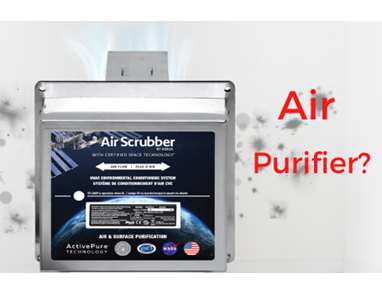
  • HVAC air quality products like an Air Scrubber are designed to be installed inside your existing HVAC system. (not taking up space in your rooms)
  • They cost-effectively impact the air quality of your entire home. (not just one area or room)
  • They require less maintenance and can be checked and maintained during seasonal HVAC system maintenance.

Need help deciding which air purifier or air quality system to buy?

Let us know how we can help with improving your Indoor Air Quality, call AllCool AC & Heating at 281-238-9292 or contact us via email.

Air Purifier Buyers Guide


Indoor Air Quality: Fighting Winter Allergies

Indoor Air Quality: Fighting Winter Allergies

Fall and Winter Allergies and how to Maintain Indoor Air Quality

Most people associate seasonal allergies with Springtime pollen from trees and grasses, but many experience worse allergy symptoms in the Fall. When leaves and the temperature drops at the same time, Fall allergies trigger symptoms similar to Spring allergy symptoms:

    • – A runny nose and head congestion
    • – Itchy or watery eyes
    • – Wheezing or difficulty breathing
    • – Sneezing and coughing

We also associate cooler weather with an increase in common colds; you might have mistaken your allergy symptoms for the onset of a pesky cold. A couple of key differences between allergy and cold symptoms may help you distinguish between the two.

    • – A fever is quite common with a cold or flu but is not a symptom of allergies.
    • – If your symptoms persist longer than 10 days, it is a strong indication of allergy symptoms instead of a cold. Cold symptoms generally persist for 7 to 10 days.

With Fall allergies and reduced Indoor Air Quality, you may also experience:

    • – Severe congestion and a sore throat, as allergens irritate the linings of your nasal cavities and the back of your throat.
    • – Headache, also caused by the inflammation of nasal passages.
    • – Difficulty sleeping, as the inflamed sinuses swell and make breathing difficult. The lack of sleep may leave you exhausted, with less energy.

Indoor Air Quality: Fall Allergy Triggers

If you suspect Fall allergies instead of a cold, it is helpful to understand Fall triggers. As you might suspect, pollen from regional wildflowers that bloom in the Fall are a chief source of allergens. Some of the most common culprits include:

    • – Ragweed/Golden Rod
    • – Tumbleweed
    • – Sagebrush
    • – Lamb’s quarter
    • – Pigweed

Some wildflowers may bloom until temperatures drop to freezing or shorter days causes the plants to become dormant for the winter.

Another common allergen prevalent during the Fall is mold spores. Mold is a fungus essential to our ecosystem, since it breaks down organic matter, such as leaves, and reintroduces their chemicals into the environment, and can reduce Indoor Air Quality. Mold reproduces by releasing microscopic spores into the air, and spores can persist all Winter. Consider a pile of wet leaves along the tree line:

    • – While the leaves are wet and the weather is warm, mold reproduces and creates spores.
    • – Blustery, winding days will release the spores into the air.
    • – Raking the leave will also release spores.
    • – Every warm day will encourage mold growth and reproduction on wet surfaces.

Mold spores may be present throughout the Fall and Winter in South Texas.

The Keys to Maximizing Fall Indoor Air Quality—Clean, Clean, Clean

Pollen and mold spores will enter your home every time you open the door; they will also hitch a ride on anything you bring into the house, including your clothes, shoes, and skin.

Clean Your Home Regularly. During the heating season, we seal our homes up like a drum, trapping allergens inside with us. If you suffer from seasonal allergies:

    • – Vacuum carpets more frequently, dust surfaces, and mop floors.
    • – Bath pets frequently, weekly if possible to wash away dander and allergens trapped in their fur.
    • – Wash your clothes often, taking note of coats, gloves, and hats you might wear outside.

 Clean your HVAC system:

    • – Your furnace air filter is an essential barrier to recirculating airborne particles throughout the house. The filter should be changed at least every three months.
    • – Schedule annual preventative maintenance and cleaning of your furnace and air conditioner. An All Cool technician can remove dust from the interior portions of your HVAC system.

Need help with improving your Indoor Air Quality?

Let us know how we can help with improving your Indoor Air Quality, call AllCool AC & Heating at 281-238-9292 or contact us via email.

 

Indoor Air Quality: Fighting Winter Allergies


Heater Efficiency: Warming Your Home Naturally

Heater Efficiency

Increase Heater Efficiency By Tapping Natural Resources

As winter approaches days grow shorter and the temperatures will be cooler for a few months: it happens every year like clockwork. However, we have seen the cost of fuels increase at an unexpected clip this year; energy costs for heating are projected to be higher than this time last year. Before an increase in heating causes you to break out into a sweat and your blood pressure rise, let’s look at some Heater Efficiency tips you can implement to make your home more comfortable with little to no cost.

Since it has been a few years since your last Physical Science class, let me remind you of this principle about the physics of energy. Heat always moves towards cold. Scientists will state it differently, but for practical purposes the statement is true. When you remember this principle, consider all of the adjustments you can make to keep your home warmer and to increase your heater efficiency this winter.

Heater Efficiency: Learn How to Keep Your Heat

Since you have already paid to heat your home, it is in your best interest to keep that warmth from moving to the cold outdoors.

  • Fireplaces lend an atmosphere of warmth and beauty, especially during winter holidays. A fireplace might also come in handy when an ice storm takes out electricity for an extended period. However, unmodified fireplaces are energy hogs and if used day-in and day-out, result in a less comfortable home and high energy costs.

    A roaring fire pushes more than 20,000 cubic feet of hot air and gases through the chimney every hour. That air must be replaced, and your home will draw outside (cold) air through every opening available to replace the lost air. The result is cold, drafty rooms away from the fireplace.

  • If you make your fireplace a normal source of heat, make energy-efficient modifications to keep your home comfortable. Make sure to keep the fireplace flue closed when it is not in use. If open, it is a channel for warm inside air to move to the cold outdoors, the equivalent to leaving a 48” square window open.
  • Insulation and weather-stripping is the MOST efficient measure to prevent the movement of warm air to the cold outside. You have heard the old adage “warm air rises.” It is true. Do a quick check of your attic insulation with a ruler or tape measure.

    Expect 10 to 12” of insulation evenly spread across the surface. If insulation is deficient, adding insulation will improve comfort and efficiency. Make sure that the attic opening is properly sealed.

  • Improved building materials and techniques result in energy-efficient wall construction, but age and settling can create gaps for air to move freely. Here are some things to inspect:
    • Windows and doors can allow air to freely move. Caulk and weather-stripping are quite effective. When you feel a cold draft coming in, know that an equal volume of warm air is leaving the building envelope.
    • Put your hand near electrical outlets. If you feel a draft, faceplate insulation is available to reduce the amount of air movement.

Practical Steps to Increase Heater Efficiency

  • Solar gain is free! Glass is a poor insulator and allows heat to travel from the warm side to the cold side reducing your heater efficiency. Solar gain is radiant energy coming from the sun, even on cold winter days.
    • Open the curtains during sunny days on the south side of the house. While the sun appears to move from east to west, it will always shine on the south side during the winter months. Plenty of heat will radiate through the windows, moving inside, even when it is cold. It makes the space cheery and bright. Be sure to protect sensitive materials from UV light.
    • Once the sun sets, close curtains and drapes to prevent the warm indoor air from traveling outdoors.
  • Take note of appliances and activities that warm your home. Appliances that clean typically also generate heat. Adjusting your schedule slightly can contribute warmth at the right time.
  • Use the clothes washer, dryer, and dishwasher during cold, evening hours and take advantage of the residual heat from these processes. If you prefer not to hear the noise, set a timer to begin cycles as the family is getting ready for bed.
  • Remember that baking and cooking will contribute substantial heat during the winter months. Plan accordingly, but NEVER use unvented gas appliances as a heat source.
  • Consider skipping the bathroom exhaust vent during showers to keep warm, moist air indoors instead of sending it outside. Indoor air tends to be drier during the winter months, so that might be a bonus.
  • Learn to use ceiling fans appropriately for the season to improve heater efficiency. Look for the switch on each ceiling fan that changes the direction of the blades. Which way should it turn? Simply remember—cool down/warm up. Warm air moves up and is trapped near the ceiling. A slow setting with the blades moving in a clockwise motion will pull cold air up and push warm air down.

Need help with improving your heater efficiency?

Let us know how we can help with your furnace and heater efficiency, call AllCool AC & Heating at 281-238-9292 or contact us via email.

Heater Efficiency


Covid-19 and Residential Indoor Air Quality

Covid-19 and Residential Indoor Air Quality

Everything You Need to Know About Covid-19 and Residential Indoor Air Quality

In March 2020, the whole world became more aware of how respiratory illnesses spread when Covid-19 began to attack our world and disrupt our lives. Scientists and medical professionals encountered a new, highly contagious illness and we all have been learning best practices “on the fly.”

The current understanding is that the virus transmits via aerosol droplets; we were reminded to cough or sneeze into our elbow or a tissue, wash our hands frequently, and stay home when we are ill. Later we were introduced to face masks, social distancing, and the term “indoor air quality” (IAQ).

Significant instruction centers around public spaces; we are encouraged to wear face masks inside, continue to be socially distant, and limit indoor gatherings. Current research has not uncovered the perfect, fail-safe solution to prevent viral transmission and ensure public safety.

Instead, we are encouraged to use many different methods together to improve Residential Indoor Air Quality. The personal safety measures are inexact since we all follow them imprecisely.

Owners of public indoor spaces take extra precautions to keep guests and employees as safe as possible. These measures give us more confidence in returning to activities such as working, worshipping, and shopping and are not based on choices made by occupants.

The American Society of Heating, Refrigeration and Air-conditioning Engineers (ASHRAE) offers guidelines for improving all IAQ; remarkable improvements in ventilation, air filtration, and air cleaning devices are creating safer indoor spaces.

  • By increasing the exchange of outdoor air, we can dilute the “dirty” indoor air.
  • High-quality air filters can remove 99.7% of all airborne particles.
  • Air purifiers can neutralize and remove viruses and other pollutants.

Applying these same principles, ASHRAE has provided guidelines for residential Residential Indoor Air Quality in regards to Covid-19.

Here are Residential Indoor Air Quality recommendations1 for keeping your home safe: 

  • Operate your HVAC system within normal comfort levels.
    • Temperatures should range between 68-780F and relative humidity should stay between 40-50%.
    • If you turn the system off, make sure to open windows for plenty of ventilation.
    • The lack of ventilation or the circulation of air leads to poor Residential Indoor Air Quality.
  • Improve Residential Indoor Air Quality by adding fresh, outdoor air as often as possible.
  • Increase air movement. Ceiling fans increase energy efficiency; moving air feels cooler and allows you to raise the air conditioner settings by as much as 100F. It also increases air circulation, preventing the air from being stagnant.
  • Improve the quality of your air filter. Before Covid-19, most homeowners did not put much forethought into air filtration. Air filters were cheap and needed to be changed routinely every three months.
    • Back in 1987, ASHRAE completed research and set standards for the manufacturing of air filters.
    • Minimum Efficiency Reporting Value (MERV) is the rating standard to help consumers determine quality. The higher the MERV number, from 1 to 20, the smaller the open. Smaller openings trap more of the airborne particles and remove them from circulation.
    • MERV 13 and higher are recommended for removing particles the size of viruses.
    • A denser air filter will reduce airflow, so check with your HVAC manual for air filter tolerances. Call your HVAC professional if you need further help balancing the need for cleaner air and sufficient airflow.
  • Consider air purifiers. If your HVAC system cannot handle a MERV 13 air filter, explore air cleaners or purifiers to improve IAQ.
    • Ultra-violet lights can be installed inside the ductwork. Ultra-violet light will neutralize (kill) microbes, mold spores, and pollen, including viruses. The inert (dead) cells will be trapped by the air filter.
    • Air purifiers have multi-level filtration and remove particulates, including viruses. Both whole-house and portable, room-sized air purifiers are available.
  • Use exhaust fans as needed. Bathroom and kitchen exhaust fans provide valuable ventilation when needed and contribute to air circulation.
  • Keep your HVAC system running smoothly with regular maintenance. Not only does preventative maintenance keep your system in operation as long as possible, cleaning the interior components removes deposits of potentially harmful particles, including viruses and prevents them from recirculating throughout your home.

Need help with improving your Residential Indoor Air Quality?

Let us know how we can help with your Residential Indoor Air Quality, call AllCool AC & Heating at 281-238-9292 or contact us via email.
Covid-19 and Residential Indoor Air Quality

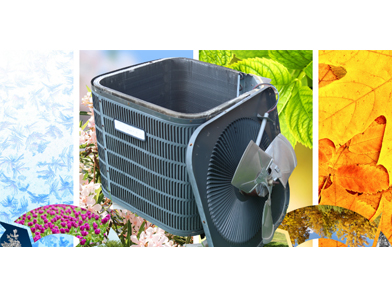
3 Seasonal Care for Your HVAC System Tips

3 Seasonal Care for Your HVAC System Tips

Seasonal Care for Your HVAC System

Routine appointments are so important but so easy to neglect. Over the years, we have developed better ways to remind ourselves about routine things; refrigerators have indicator lights to remind you to change filters and new cars have oil change messages.

Labor Day has been designated as an indicator to change smoke alarm batteries; All Cool AC would like to suggest the transition from summer cooling to Fall heat be a reminder to care for your HVAC system. It is routine and can be easily forgotten, so put a reminder on your phone app to schedule a visit.

Your HVAC has been providing fresh air at just the right temperature faithfully for years. If you want it to continue providing that service, give it some regular TLC.

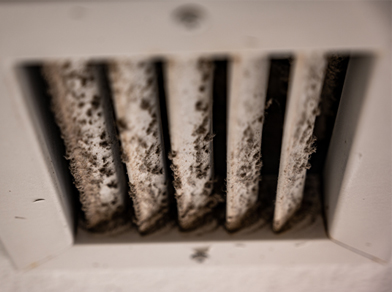
  • Honestly, when was the last time you cleaned the vents? Air circulates every time the system cycles, but when the blower stops, so does the air. Airborne particles, such as dust and pollen, get deposited inside the ductwork. Over the years, the accumulation can be significant, and you don’t need to breathe that in.

    It may be the reason you see more dust on surfaces. Since your arms are not long enough and you don’t have the proper equipment to clean them properly, this is a job for a professional. A thorough cleaning will remove the dust, dander, and pollen, greatly improving indoor air quality.

  • While you are in the cleaning mood, we can’t forget to replace your HVAC filters. Your AC filter prevents dust particles from entering the air of your home. A dirty HVAC filter will reduce the efficiency of your air conditioning and reduce the indoor air quality.

    A dirty AC filter can be dangerous to those family members with allergies or compromised immune systems. Regular replacement of your HVAC air filter will reduce your energy consumption and improve indoor air quality.

  • A seasonal maintenance visit can be very beneficial in several ways. First, you know your system is prepared for the heating season ahead. Second, you might have to avoid a cascade of problems. The furnace tends to fail when it is under stress—you guessed it, right as the temperature drops at nightfall.

    There is nothing quite like waking up in the cold. Instead of a seasonal maintenance visit, you are asking for an emergency visit. They tend to be very inconvenient for you and more expensive in the long run.

So, use the change from the cooling season to the heating season as a reminder to schedule a preventative maintenance visit.

Need Help Seasonal Care for Your HVAC System?

Let us know how we can help with your HVAC System Seasonal Care and HVAC maintenance, call AllCool AC & Heating at 281-238-9292 or contact us via email.
3 Seasonal Care for Your HVAC System Tips

Tips to Have a Mold Free HVAC System in Your Home

How to Have a Mold-Free HVAC System

How to Have a Mold Free HVAC System

If the problem of mold keeps reoccurring, please consult with a mold remediation professional.

Your heating, ventilation, and air conditioning system (HVAC) are designed to heat and cool, freshen, clean, and dehumidify the air in your home for your protection and comfort. When the system ceases to provide one or more of these functions it can lead to a mold infestation.

A serious mold infestation is hard to eradicate and can be very harmful to your family; do not wait—call a professional.

Since it is so serious, let’s consider some ways to make sure mold does not become a problem inside your home. Let’s start with your HVAC system.

Humidity Regulation is the Key to a Mold Free HVAC System

The U.S. Consumer Product Safety Commission determines the ideal humidity for indoor air is between 30 and 50% humidity; expect between 30-40% in the winter and between 40 and 50% in the summer months.

Mold needs three things to grow: moisture, organic matter (it’s not picky), and a dark place, with little to no sunlight. Keeping the humidity low throughout the house restricts the places mold can grow. The indoor air should not feel “sticky,” even on summer days with high humidity outdoors. Use bathroom exhaust fans when showering. If it does feel “sticky,” call your HVAC professional.

Preventative Maintenance Promotes a Mold Free HVAC System

The second thing mold needs are organic material. Mold can bloom on wall paint, chalk, or wooden doors, but it can also feast on collected dust and dander. Matter of fact, the mold pollen will most likely travel together with dust, just waiting for moisture to activate it.

Make sure that you change air filters regularly, every three months at a minimum. Have an HVAC professional service your unit regularly, annually is recommended. Make sure your ductwork is cleaned as needed.

A preventative maintenance inspection can remove dust and repair components that contribute to water leaks. Prevention is much more effective—and safer than remediation.

Mold Removal

Even with these measures, it is not uncommon to find small quantities of mold. So how can you safely remove it?

  • If the affected area is larger than 9 square feet, the problem is large enough to call a mold remediation professional. Smaller areas can be cleaned with proper preparation and technique.
  • Mold spores can be harmful to your respiratory system; be very aware of the danger. Take the precaution of wearing a mask and gloves before cleaning or scrapping mold away.

Find the right cleaning supplies to keep a Mold Free HVAC System

Mold elimination products are readily available. They generally consist of harsh chemicals, so make sure you wear a mask and have good ventilation for the fumes.

If you are looking for an environmentally friendly cleaning solution, start with soap and water; sometimes that is all that is needed. Another easy remedy is baking soda and water; it kills even black mold and acts as a bleaching agent. Since you are near the mold, always wear a mask.

If you have asthma, allergies, or other breathing issues, it is best for you to stay away and let someone else take care of the problem.

Throw Out Food Items

As mold grows on food, it is reproducing well beyond what you see. Some molds produce a toxin, known as mycotoxins, which will make you very ill. If you see mold on a food item, consider it lost and dispose of it; it is not worth the risk.

Interested in a Mold Free HVAC System? 

Let us know how we can help with your indoor air quality concerns and creating a Mold Free HVAC System, call AllCool AC & Heating at 281-238-9292 or contact us via email.

How to Have a Mold-Free HVAC System