Cigarettes and Vaping Harm Indoor Air Quality

Indoor Air Quality

How Cigarettes and Vaping Harm Your Indoor Air Quality

One of the results of an international pandemic is an increase in concern about indoor air quality (IAQ), especially as it relates to indoor spaces in multi-unit residential spaces. People are concerned about how the Indoor Air Quality of adjacent units might affect their units.

A telltale indicator is the odor of tobacco smoke in a non-smoking unit. If tobacco smoke is migrating between apartments, what other airborne particles (including viruses) might also be migrating?

The request for environmental tobacco smoke (ETS) testing has increased tremendously over the last few years. ETS is an air quality test to determine the presence of indoor cigarette smoke; the greatest number of calls come from renters and condo owners, or from landlords of renters suspected of violating a no-smoking lease agreement. Why are people concerned with second-hand cigarette smoke?

  • The smoke that results from burning tobacco contains at least 4,000 chemical substances. According to the EPA, at least 40 of these substances are known to cause cancer in humans and many more substances are known to be strong irritants. Second-hand smoke also includes the smoke released from the lungs of smokers after it has been inhaled.
  • Second-hand smoke is a serious health issue (EPA). Approximately 3,000 nonsmokers die each year from lung cancer. “Passive smoking is responsible for between 150,000 and 300,000 lower respiratory tract infections in infants and children under 18 months of age annually, resulting in between 7,500 and 15,000 hospitalizations each year.”Second-hand smoke elevates the risk of asthma attacks in children with existing asthma conditions. “Between 200,000 and 1,000,000 asthmatic children have their condition made worse by exposure to secondhand smoke. Passive smoking may also cause thousands of non-asthmatic children to develop the condition each year.” EPA

ETS testing tests air samples for the presence of nicotine and other products that result from burning tobacco.

Mitigation of ETS

Landlords can determine their options when they discover the presence of tobacco smoke in no-smoking apartment units. Apartment or condo dwellers might consider measures to prevent the migration of smoke into their apartments.

  • Each apartment should have independent HVAC ducts; the smoke should not be migrating between apartment or condo units through the HVAC vents.
  • Examine electrical and plumbing penetrations between shared walls with other apartments; seal these penetrations to limit the amount of air migrating through openings. Don’t forget floor or ceiling penetrations.
  • Create positive air pressure (bringing outside air into the apartment) and use exhaust fans sparingly. Exhaust fans pull air into the apartment as it removes existing air. This can pull air from the apartments with shared walls.

What about vaping or e-cigarettes?

One thing is clear—e-cigarettes do not produce the same number of chemical byproducts as regular cigarettes. But that is about all that is clear.

  • E-cigarettes use a small electric charge to atomize nicotine instead of a flame and combustion.
  • Various brands use different flavoring additives—no two brands are alike. Some brands use additives for different effects, including erectile dysfunction and weight loss drugs.
  • The vapor that results from e-cigarette use contains chemical compounds, including carcinogens that are different from traditional cigarette smoke. Health professionals have been studying traditional cigarette smoke since 1920, measuring the various compounds and their effects on the human body. E-cigarettes were introduced in the mid-2000s; the measurement and study has only just begun.
  • Currently, e-cigarette manufacturing is poorly regulated; the health effects of inhaling various additives are far from being known.

If you smell the flavored vapor from e-cigarettes, you should take the same measures as with traditional cigarettes.

Have Problems with Indoor Air Quality?

Schedule your upcoming Indoor Air Quality assessment appointment by calling AllCool AC & Heating at 281-238-9292 or contact us via email.

Indoor Air Quality


6 Tips HVAC Maintenance Tips for Homeowners

6 Tips HVAC Maintenance Tips for Homeowners

6 Tips HVAC Maintenance Tips to Better Energy Efficiency

Air conditioning is such a comfort during the summertime; stepping out of oppressive heat and humidity into a cool, dry environment is both welcoming and relaxing. The converse is also true.

Stepping into a home and expecting air conditioning but being disappointed is very stressful and troubling. Wise homeowners don’t just assume their AC will work but take the HVAC Maintenance extra steps to ensure it is kept in good working order.

Change Your Air Filter Regularly

A dirty, clogged air filter leads to two major problems for air conditioners. First, it causes your blower motor to work harder than it should. While the blower fan moves large volumes of air—the entire volume of your home every 2 or 3 minutes—a clogged filter reduces the airflow, and the blower motor must work harder to complete its task.

Second, the evaporator coils bring very cold refrigerant gas into the evaporator chamber. Warm air from the house is being drawn through the filter and exchanged the heat for cold.

Reduced airflow causes humidity to freeze on the coils and this reduces the exchange of heat and cold. Expect warmer air from the air conditioner with an extremely clogged filter.

 Clean Your Evaporator Coils and Drain Pan

In addition to exchanging heat with cold, the evaporator removes humidity from the air when it condenses on the coils. By tripping the circuit breaker-marked AC and removing a few bolts, you can access the evaporator chamber and do a little maintenance. First, observe the coils—often a V-shape—and vacuum away any accumulated dust.

Second, observe the drain pan, looking for debris or algae buildup. Carefully pour a cup of bleach or vinegar into the drain pan as a deterrent to algae growth. You may need a wet/dry shop vacuum to clean out algae buildup in the drain lines. After you have returned the chamber cover and flip the circuit breaker back to the ON position.

Clean Your Condenser Unit

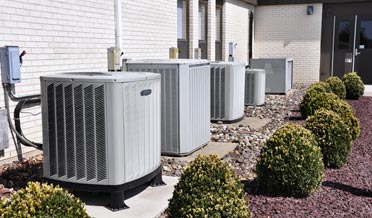
Stepping outside, locate the air conditioner condenser unit, a small, boxy component with a prominent fan on the top. The refrigerant gas has collected heat from your home in the evaporator chamber and brings it outdoors for release. The entire box is composed of a network of tubes with very small fins.

Airflow through this network transfers the heat to the moving air and cools down quickly. Quickly, unless the airflow is restricted by the accumulation of dirt, grass clippings, and debris. Use a garden hose—not a power washer—to gently clean the spaces between the tubes and promote good airflow. Trim any hedges and remove any debris within about 3 feet of the condenser.

Check Vents and Registers

In order for air conditioning to work properly, air must flow in large volumes. A normal 15-minute cooling cycle will move the entire volume of your home 7 or 8 times, maybe more. It moves that volume of air unless, of course, the vents and registers in the home are covered. Check each room and find one or more registers on or along the floor.

Rooms with more square footage will have more than one register. Make sure they are not covered by furniture or drapes. Each level of the home will have one or more return air vents.

Observe the vents about ¾ of the way up walls, perhaps in hallways or open spaces. Make sure that furniture and drapes do not cover your vents and reduce air movement.

Program The Thermostat for Summertime

Many homes have programmable or Smart thermostats. This allows homeowners to customize the temperature settings to match the family schedule and comfort levels. Summertime schedules change, so make sure to keep the settings adjusted to the season.

Consider adjusting the setting while the family is sleeping or away, reducing the demand for energy. Create a 30-minute buffer right before the alarm clock sounds or the first family member returns.

Plan an Annual HVAC Maintenance Tune-up

Scheduling a visit from an HVAC Maintenance professional to clean, inspect, and test the system is a sure way to keep your system running for as long as possible. The additional HVAC Maintenance care ensures that components function properly, gas levels are appropriate, and connections are maintained. This HVAC Maintenance TLC lengthens the serviceable life of your entire system.

Time for HVAC Maintenance?

Schedule your upcoming HVAC maintenance appointment by calling AllCool AC & Heating at 281-238-9292 or contact us via email.

6 Tips HVAC Maintenance Tips for Homeowners

6 Common Causes for Poor Indoor Air Quality

Indoor Air Quality Katy Tx

Causes for Poor Indoor Air Quality Katy Tx

A comfortable house is a great source of happiness. It ranks immediately after health and a good conscience. ~Sydney Smith

Coming home! Ah! Home can be such a retreat, a respite from a tough day at work or school. Gathering together with the people and pets that you cherish the most is special. Such a special place needs to be as safe and healthy as we can make it.

Studies reveal that several changes in building techniques and building materials make indoor air several times more polluted than outdoor. Couple that with how much we appreciate our homes—we spend the vast majority of our time indoors—homeowners should pay special attention to indoor air quality (IAQ).

Poor IAQ can irritate the sinus and eyes with symptoms similar to pollen allergies/hay fever. It can also lead to breathing difficulties, dizziness, and fatigue. Here are a few common sources of indoor pollutants and some steps you can take to improve indoor air quality.

  1. Be Careful with Allergens.

Allergens are a general class of pollutants that cause an inflammation reaction to the skin, sinuses, eyes, and throat. Often allergens are organic and sourced from living organisms. Some of the most common allergens include:

  • Dust and dander, small particles that flake off of living surfaces, including human and pet bodies
  • Pollen from grass, trees, and flowers. Pollen enters your home through small gaps, every time your door opens and can be carried in on clothes and shoes.
  • Mold spores are actively blowing about and enter your home in the same manner as pollen. Mold can also find moist, dark spaces in your home.
  1. Be Aware of Household Chemicals.

Chemicals find their way into our homes and contribute to indoor air quality. Drawing attention to some of these sources will help you make wise decisions.

  • Manufacturing items, including furniture, flooring, paints, and adhesives will give off volatile organic compounds (VOC) for several years after they are installed. There is nothing to prevent this, but remember they are contributing to your IAQ.
  • Often your garage also serves as a storage space for lawn care products, including mower/trimmer fuel, pesticides/herbicides, and fertilizers. Every time you open the garage door, small amounts of these chemicals enter your home. NEVER “warm” your vehicle inside your garage, since a large portion of the exhaust will find its way indoors.
  • Household cleaning chemicals also contribute to IAQ.
  1. Tobacco Smoke.

Smokers are aware of the health hazards tobacco smoke poses to themselves and to others as secondhand smoke. To reduce the impact of tobacco smoke on Indoor Air Quality, find a favorite spot outdoors to smoke and avoid smoking indoors.

After addressing the most common pollutants, let’s look at some top measures you can take to improve IAQ.

  1. Improve Ventilation.

Houses are built for energy efficiency, allowing very little air to enter through gaps and cracks. This allows the pollutants mentioned above to concentrate indoors. Planning improved ventilation can help you improve Indoor Air Quality Katy Tx.

  • Often extreme weather keeps our windows and doors closed for energy efficiency. But during every season, we experience a few days of relief, with very pleasant temperatures. On those days, pull the screen doors closed and open doors and windows to let in the fresh air. While fresh air is coming indoors, pollutants are migrating outdoors.
  • Be mindful of pollen and mold counts if family members have allergies.
  1. Change the Air Filter Regularly.

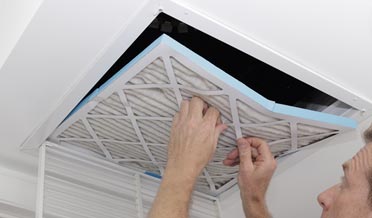
Your HVAC system has an air filter that removes most pollutants each time the blower circulates the air during a heating or cooling cycle. Every airborne particle trapped by the filter improves Indoor Air Quality Katy Tx. However, eventually, the dust and pollen clog the filter and reduce its effectiveness. Changing the air filter at least every 3 months will ensure most particles are removed and no longer circulate.

  1. Further Steps to Improve Indoor Air Quality Katy Tx

Sometimes families find a need for improved indoor air quality; severe allergies, asthmas, and illness that makes breathing difficult require quality indoor air. These improvements might require professional help.

  • Dust and pollutants collect in the ductwork and may need to be removed by duct cleaning professionals.
  • If you suspect that a mold infestation has developed, removal will also require a mold mitigation specialist.
  • If pollen, dander, and mold cause severe allergic reactions or trigger asthma, talk to All Cool about an inline ultra-violet (UV) air cleaner. A UV air cleaner functions in this manner:
    • We are often warned that UV light damages human skin with prolonged exposure. UV light damages the cell walls of living organisms.
    • A UV inline air cleaner is installed inside the ductwork of your HVAC system. Enclosed in this space it cannot harm family members or pets.
    • The UV light will damage the cell walls of organic pollutants such as pollen, bacteria, and mold spores.
    • The dead cells are neutralized and more easily collected by the air filter.

Need Help with Your Indoor Air Quality Katy Tx?

Let us help you with improving your indoor air quality Katy Tx by calling AllCool AC & Heating at 281-238-9292 or contact us via email.

Indoor Air Quality Katy Tx

Air Conditioning Hurricane Preparedness Tips

Air Conditioning Hurricane Preparedness

Air Conditioning Hurricane Preparedness – Start Your Preparation Now!

The National Oceanic and Atmospheric Administration (NOAA) is set to predict the 2022 Atlantic Hurricane season in a few days.1 Early indication is that it will be active and storm intensity seems to have increased over the past decades. Residents in coastal communities should take measures to prepare homes and lives for a hurricane event this year. As part of these measures, make sure you follow our Air Conditioning Hurricane Preparedness Tips!

Measures to Take Before a Storm

While NOAA makes predictions for the 6-month hurricane season, The National Hurricane Center actually tracks storms as they develop over the south Atlantic. When a significant storm approaches land, they issue a warning 36 hours in advance to let residents make final Air Conditioning Hurricane Preparedness steps for the storm. However, some preparations should be made well in advance of a hurricane.

Schedule Routine Maintenance

Both your HVAC manufacturer and HVAC professionals recommend annual maintenance to help your system perform efficiently over many years. Preventative maintenance includes cleaning dust buildup in hard-to-reach places, inspection, and testing key electrical components, and paying close attention to the refrigerant gas needed for proper function.

If your system is poorly maintained before a hurricane puts great stress on the air conditioner, it can sustain greater damage from the storm.

Air Conditioning Hurricane Preparedness: Protect your Outdoor AC Unit

  • If your outdoor condenser unit is in a low-lying area, consider elevating it to avoid water damage. It should be set on a concrete slab as a firm foundation.
  • Tie-Downs. Make sure your condenser unit is securely fastened to the concrete slab with hurricane tie-downs. While it may appear large, it is constructed of lightweight material and can be moved by violent winds.
  • Check with the manufacturer for a hurricane weather-proof covering for the AC condenser unit. Local home improvement stores may also carry them. A covering, installed after the AC has been powered off, can prevent water damage from heavy rain. Be sure to remove the cover before restoring power to the air conditioner.

Purchase Emergency Supplies in Advance

State and local governments provide emergency preparedness plans that encourage you to purchase food, water, flashlights, batteries, first aid kits, etc. You are encouraged to make these purchases in advance of a hurricane warning to make sure supplies are available.

Measures During the 36-Hour Warning

Anticipate that hurricane-force winds (+74 mph) will damage the power grid and cause a power outage. In the process, power will blink on and off several times; each time that happens, it creates a power surge. Since even small power surges can damage computers, we plug sensitive equipment into power strips with surge protectors.

  • Your HVAC system may have a power surge protector installed inline to protect the system.
  • Whether your system has a power surge protector or not, turn off your HVAC system during a hurricane to protect it from potential damage.
    • Turn your thermostat to the Off position
    • Flip the breaker at your electrical service panel for both AC and furnace

Cool Down

Knowing that you will turn the AC off for an extended period, use the 36-hour time period to cool your house down. Lower the temperature a few degrees, anticipating the warm and humid air outside will quickly move indoors. Close blinds and curtains, even if your windows are covered. Continue to use ceiling and floor fans for as long you have power.

Measures to Take After a Storm

After the storm has passed and power has been restored, carefully follow the needed steps.

  • Remove any cover you might have placed on the outdoors AC unit
  • Check your power surge protector for the HVAC system. If it has tripped, reset it.
  • Flip the breaker for your system at the electric service panel and wait a few minutes.
  • Turn the thermostat to the COOL setting and set the temperature to the normal setting.

If your power is not restored, you will need to call an electrician. If your power is restored but the AC does not come on or does not cool properly, give All Cool a call.

Have Questions About Air Conditioning Hurricane Preparedness?

June begins the start of hurricane season on the Texas Gulf Coast. Let us help you with your Air Conditioning Hurricane Preparedness this season by calling AllCool AC & Heating at 281-238-9292 or contact us via email.
Air Conditioning Hurricane Preparedness

1 https://www.noaa.gov/media-advisory/noaa-to-announce-2022-atlantic-hurricane-season-outlook

Indoor Air Quality – Celebrating Clean Air Month

Indoor Air Quality - Celebrating Clean Air Month

Indoor Air Quality – Celebrating Clean Air Month

May is Clean Air Month, but don’t expect to celebrate with fireworks! In 1972, the American Lung Association began sponsoring Clean Air Month with the following goals in mind:

  • Educate people about the impact clean air has on our lives
  • Encourage people to take positive steps to improve air quality—both globally and locally
  • Celebrate improvements made in indoor air quality over the years

To understand the importance of this celebration, take a quick trip down memory lane and remember some environmental crises of the late ‘60s and early ‘70s.

  • Smog (a contraction of ‘smoke’ and ‘fog’) was a haze of pollution visible hovering over major US cities. A steep increase in asthma and emphysema resulted. Smog results from auto emissions and industrial pollutants.
  • Sulfur and nitrogen pollutants were collected in precipitation and fell as “acid rain,” damaging both flora and fauna nationwide. It also caused corrosion on stone and concrete structures.
  • The Cuyahoga River in Ohio caught fire 13 times—yes, you read that correctly. The river was covered with a thick soup of oil and waste. The largest, most notable fire was on June 22, 1969.

These crises led Richard Nixon to encourage the Clean Air Act of 1970 and established the Environmental Protection Agency to clean up the air, water, and soil. This led to setting emission guidelines for automobiles and industrial waste and eliminating waste being dumped into rivers, lakes, oceans, and on land.

How Can You Celebrate Indoor Air Quality and Clean Air Month?

What can one family possibly do to improve air quality globally? More than you think!

  • Reuse, Reduce, Recycle. Small things do make a difference.
  • Reduce your carbon footprint with wise decisions.
  • Reduce energy use in your home
    • Replace incandescent light bulbs with LED bulbs
    • Watch for ENERGY STAR ratings on appliances
    • Heating and air conditioning account for 43% of your energy use, so keep your HVAC system clean and well maintained.
  • Replace toxic cleaning supplies with safer, greener choices
  • Improve your indoor air quality
    • Remove your shoes immediately upon entering your home. This reduces the amount of dust and dirt your spread inside
    • Vacuum and dust your house often to remove airborne contaminants
    • Run your air conditioner as needed. It removes moisture from the air; a home with high humidity is susceptible to the growth of mold and mildew.
    • Replace your HVAC air filter regularly—at least once every 3 months
    • Purchase an air purifier if needed to remove indoor contaminants.

How Can We Help You Celebrate Clean Air Month?

This month is a great time to celebrate indoor air quality. Let us help you make a difference in the clean air in your home,  call AllCool AC & Heating at 281-238-9292 or contact us via email.

Indoor Air Quality - Celebrating Clean Air Month

5 Reasons to Schedule Your AC Tune Up, Today!

5 Reasons to Schedule Your AC Tune Up, Today!

AC Tune Up For Warmer Springtime Temps

Spring is here! That is a short buffer time between cold weather and the hot and humid weather of summer. This is an excellent time to have your air conditioner serviced to make sure it is in great shape to keep your family comfortable and safe all summer long. You hear HVAC professionals say that all the time and you might wonder “Does it make a difference?” Since it might seem a little self-service for All Cool to say “yes,” we can give you an unbiased, expert opinion with nothing to gain from your response—the U.S. Department of Energy.1

Here are 5 motivations for you to schedule your AC Tune Up this spring

  1. Lengthen Your Warranty

If your AC unit has a warranty, it most likely requires an annual preventative maintenance service; check your documents. While a breakdown during the early years of service is unusual, keeping the warranty valid is important.

  1. Increase Useful Service Life

The #1 way to lengthen the service life of your air conditioner is to have it cleaned and serviced regularly. Service life claims vary, but here are a few general truths:

  • Furnaces generally last a few years longer than the air conditioner, but they are usually replaced at the same time.
  • Service life varies a lot, between 15 and 30 years. Again, the #1 difference-maker is regular maintenance.
  • Regular maintenance can add 5 or more years to service life compared to little or no maintenance.
  1. AC Tune Ups lead to Decreased Repairs

As air conditioners age, parts will wear out and fail due to functional stress. The leading cause of this stress on any AC unit is dust and dirt that infiltrates various components. The two major functions of AC preventative maintenance are 1) removing dust and dirt from remote places, and 2) inspecting for damage and wear. A well-maintained AC unit will experience fewer breakdowns and repairs over the service life since the wear is reduced and discovered early.

  1. Increase Efficiency

With stress-causing dirt and dust removed, your air conditioner will function better, from the compressor to the blower motor. With every AC cycle, your family will experience greater comfort, even during peak cooling periods.

  1. Decreased Energy Bills with an AC Tune Up

Now more than ever, reducing utility bills will benefit the household budget. A well-maintained AC, functioning more efficiently, will reduce the cost of cooling your home all season long.

Regular maintenance provides more benefits such as improved indoor air quality and cleaner surfaces, but hopefully, these five reasons will motivate you to care for your AC while it keeps you cool and comfortable this summer.

Need Questions About Springtime AC Tune Ups?

Let us know how we can help you with your AC Tune Up to better your HVAC system efficiency, call AllCool AC & Heating at 281-238-9292 or contact us via email.
5 Reasons to Schedule Your AC Tune Up, Today!

1 https://www.energy.gov/energysaver/maintaining-your-air-conditioner#:~:text=An%20air%20conditioner’s%20filters%2C%20coils,while%20energy%20use%20steadily%20increases


Choosing the Right HVAC Unit for the Best Indoor Air Quality

Katy Tx Indoor Air Quality

Katy Tx Indoor Air Quality can be improved by choosing the right HVAC unit

Living in the highly industrial and urban environment of the Houston Metro area we often worry about the quality of the air in our homes. According to the Environmental Protection Agency (EPA), we sometimes focus on outdoor air pollution and neglect our indoor air.

Additional EPA studies found that our indoor air can possess up to five to eight times the air pollutants and Volatile Organic Compounds (VOCs) as the air outdoors. A majority of homeowners spend more time inside with poor ventilation which can create major health risks, especially for those with respiratory or cardiac pre-existing conditions.

Common >Katy Tx Indoor Air Quality Concerns

Seasonal allergens such as pollen seem to seep into our homes and pollute our indoor space. That yellow dust that seems to paint Southeast Texas finds its way through windows, doors, and every possible opening it can sneak into. In addition to our open doors and windows, pollen can be drawn into your HVAC system.

Considering factors beyond seasonal allergens, Houston’s industrial complex can add hazardous pollutants to our air. VOCs such as synthetic building and household materials, pesticides, cleaning agents, paint, air fresheners, and cigarette smoke can also reduce our air quality significantly.

Our homes can also harbor pet dander, dust mites, mold, and mildew, all of which can affect your health. This category of indoor air quality pollutant may be the most dangerous since they tend to go unnoticed and build up over the course of time.

No matter the source, each of these pollutants can be extremely dangerous for those who are chronically ill.

How Katy Tx Indoor Air Quality Can Be Improved with Quality HVAC Systems

All residential HVAC systems are equipped with an air filter that removes indoor air pollutants and VOCs. The air passes through the system to remove particles such as dirt, dust, bacteria, viruses, and pet dander. However, not all HVAC system filters are created equally.

We strongly encourage the use of High Energy Particulate Air Filter (HEPA) air filters. HEPA filters remove particles that are smaller than standard HVAC air filters. For a filter to be HEPA-rated it must effectively remove 99.97% of all particles that are 0.3 microns or larger.

Ultraviolet light purification systems can also be added to improve indoor air quality. These systems burn microbes that have entered your HVAC systems. UV-C light systems kill viruses, bacteria and other pathogens to improve indoor air quality.

How to Select the Right HVAC System for the Best Katy Tx Indoor Air Quality

If you are in the market for a new HVAC system, you must select a unit that can efficiently cool and heat your home, while providing the best indoor air quality. The first criteria is often a homeowner’s top priority.

Remember that a unit too small for the space will not adequately cool or heat the living space. If you select a system too large, it may not remove the humidity to the desired comfort level in your home.

For those that require superior indoor air quality, or that are just looking to breathe cleaner air, one of the HEPA Whole Home filter systems, and UV-C light purification systems previously mentioned are strongly recommended.

Purchasing an HVAC system that provides efficient heating and cooling and removes harmful toxins from the air to improve indoor air quality is the best buy for your money.

Need Help Choosing an HVAC System that Betters Katy Tx Indoor Air Quality?

Let us know how we can help you with your Katy Tx Indoor Air Quality HVAC replacement to better your indoor air quality, call AllCool AC & Heating at 281-238-9292 or contact us via email.
Katy Tx Indoor Air Quality

5 AC Tune Up Tips to Save You Money

5 AC Tune Up Tips to Save You Money

5 Money-Saving Tips for Regularly Schedule AC Tune Ups

Spring is here! That is a short buffer time between cold weather and the hot and humid weather of summer. This is an excellent time to have your air conditioner serviced to make sure it is in great shape to keep your family comfortable and safe all summer long.

You hear HVAC professionals say that all the time and you might wonder “Does it make a difference?” Since it might seem like a little self-service for All Cool to say “yes,” we can give you an unbiased, expert opinion with nothing to gain from your response—the U.S. Department of Energy.1

Here are 5 motivations for you to service your AC this spring.

AC Tune Up Tip 1: Lengthen Your Warranty

If your AC unit has a warranty, it most likely requires an annual preventative maintenance service; check your documents. While a breakdown during the early years of service is unusual, keeping the warranty valid is important.

AC Tune Up Tip 2: Increase Useful Service Life

The #1 way to lengthen the service life of your air conditioner is to have it cleaned and serviced regularly. Service life claims vary, but here are a few general truths:

  • Furnaces generally last a few years longer than the air conditioner, but they are usually replaced at the same time.
  • Service life varies a lot, between 15 and 30 years. Again, the #1 difference-maker is regular maintenance.
  • Regular maintenance can add 5 or more years to service life compared to little or no maintenance.

AC Tune Up Tip 3: Decreased Repairs

As air conditioners age, parts will wear out and fail due to functional stress. The leading cause of this stress on any AC unit is dust and dirt that infiltrates various components. The two major functions of AC preventative maintenance are 1) removing dust and dirt from remote places, and 2) inspecting for damage and wear.

A well-maintained AC unit will experience fewer breakdowns and repairs over the service life since the wear is reduced and discovered early.

AC Tune Up Tip 4: Increase Efficiency

With stress-causing dirt and dust removed, your air conditioner will function better, from the compressor to the blower motor. With every AC cycle, your family will experience greater comfort, even during peak cooling periods.

AC Tune Up Tip 5: Decreased Energy Bills

Now more than ever, reducing utility bills will benefit the household budget. A well-maintained AC, functioning more efficiently, will reduce the cost of cooling your home all season long.

Regular maintenance provides more benefits such as improved indoor air quality and cleaner surfaces, but hopefully, these five reasons will motivate you to care for your AC while it keeps you cool and comfortable this summer.

Have Questions About AC Tune Up Tips?

Let us know how we can help with scheduling your AC Tune Up, call AllCool AC & Heating at 281-238-9292 or contact us via email.
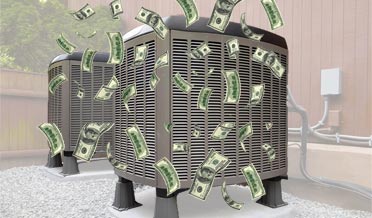
5 AC Tune Up Tips to Save You Money

1 https://www.energy.gov/energysaver/maintaining-your-air-conditioner#:~:text=An%20air%20conditioner’s%20filters%2C%20coils,while%20energy%20use%20steadily%20increases


Indoor Air Quality Problem Areas

Indoor Air Quality Problem Areas

Improving Indoor Air Quality in Problem Areas

American construction techniques have succeeded in building homes with a better seal against outside air, reducing drafts, and improving energy efficiency. However, the trade-off is that sealed homes tend to receive less fresh air. The indoor air constantly circulates and is several times more polluted than outdoor air. While every room will have its share of pollutants, some rooms have specific pollutant problems. Here are five rooms with the potential for poor indoor air quality and some steps to reduce pollutants.

The Attic

Most attics are unused and unconditioned space; that is the HVAC system does not circulate through most attic spaces. An attic can contribute to poor indoor air quality since it will generally be the site for insulation. Some insulation can be harmful, such as fiberglass, but all insulation can contribute to airborne pollutants when disturbed. Expect attics to receive a lot of dust and pollen as well.

  • Use weather stripping to seal attic openings from the rest of the house.

The Garage

Your garage adds to indoor air pollution in two major ways:

  • Driving automobiles into the garage brings in car exhaust. Carbon monoxide is one of the poisonous gases emitted, so this is an important issue.
  • Unless necessary for security, wait a few seconds before lowering the garage door. This allows exhaust to ventilate to the outdoors. Do not let your car idle while in the garage.
  • Consider whether your situation could benefit from garage ventilation.
  • The garage also tends to be a storage area for herbicides, pesticides, paints, and cleaning products.
  • Store hazardous material safely, in secured containers and in a locked cabinet if possible.
  • Make sure the garage door is adequately sealed with weather stripping to prevent fumes and odors from entering the house.

The Kitchen

Activities performed primarily in the kitchen can contribute to poor indoor air quality.

  • Cooking food with natural gas or propane will produce carbon monoxide and other toxins that need to be vented to the outdoors.
  • Stored food can also be a source of mold and bacterial growth.
  • The cleaning supplies associated with cleaning in the kitchen can also release hazardous gases into the rest of the house.
  • Use the stovetop vent on low power when cooking, whether you use gas or not. This will remove both toxins and odors.
  • Make a schedule to dispose of stored food before it spoils.
  • Use nontoxic household cleaners, such as vinegar or baking soda.

Bathrooms

The most humid room in your house will be your bathroom(s). Hot water from showers and baths creates steam which condenses on most surfaces. In addition, standing water is evaporating almost constantly. Moisture on surfaces can lead to the growth of mold and mildew.

  • Use the exhaust fan during baths and showers to remove the steam. Make sure to clean the fan grill to remove the wet dust that develops.
  • When weather permits, open a bathroom window during showers.
  • Wipe down surfaces often with a natural cleaner such as vinegar. Vinegar will inhibit the growth of mold and mildew.

Bedrooms

Many people will spend at least 1/3 of their day in the bedroom, so improving air quality in the bedrooms is a great advantage. If moisture in the bathroom is the issue, there are some simple solutions.  If dust and dander are the issues in the bedroom, the largest percentage of these particles are generated by humans and pets. Here are several ways to improve air quality in the bedroom.

  • Open windows whenever possible to add fresh air.
  • The carbon dioxide that is released while sleeping is significant, so moving the air is a great benefit. Learn to use ceiling fans to improve room ventilation.
  • Clean regularly. Dust. Vacuum. Change and launder bedding regularly.

Have Questions About How to Improve Your Indoor Air Quality?

Let us know how we can help with improving your indoor air quality, call AllCool AC & Heating at 281-238-9292 or contact us via email.

Indoor Air Quality Problem Areas


3 Ways AC Systems Improves Indoor Air Quality

3 Ways AC Systems Improves Indoor Air Quality

How Your AC System Improves Indoor Air Quality

Winter is almost gone; springtime is coming fast. Warmer temps bring the return to outdoor activities-yay! But when the trees and flowers break into bloom, it also brings an abundance of pollen, the trigger for seasonal allergies. Pollen gets everywhere, inside and out. If seasonal allergens trouble you, you should be pleased to know that help is available.

Your HVAC system is the first line of defense against pollen, and this is why:

  1. Air Filters—The First Line of Defense. Your air filter will trap a very high percentage of common pollen and mold spores.
    1. Common tree, grass, and flower pollen range in size between 20 and 30 microns—a micron is 1/1,000,000 of a meter.
    2. Air filters are rated on a MERV scale, an acronym for minimum efficiency reporting value, with values ranging from 1-16. Common HVAC air filters are rated at 12. MERV 12 filters will trap 90% of particles 3 microns or larger, so they are quite capable of removing most pollen and mold spores.1
    3. Changing your air filter regularly (at least every 3 months) is very important for many reasons. If you suffer from seasonal allergies, consider changing the filter more often, perhaps once per month when pollen counts are high.
  1. Evaporator Coils—Removing Excess Humidity. Humidity makes surfaces sticky, attracting pollen and promoting the growth of mold and mildew.
    1. The ideal indoor humidity ranges between 30 and 50 percent; during the summer months, indoor humidity tends toward the upper range.
    2. During the summer, the humidity in southern Texas is often much higher than the ideal for indoor air. The air conditioner evaporator coil removes 5 to 20 gallons of water per day.

Your air conditioner is working to improve indoor air quality and relieve seasonal allergies.

  1. The Blower Motor—Moving Fresh Air. The blower motor is responsible for pushing air throughout your home, moving the entire volume of your home every few minutes.
    1. Both filtration and the removal of humidity are accomplished because the air is moving.
    2. Moving air smells and feels fresher; moving air does not feel stuffy or stale.

Outdoor air that makes its way into the house will be cleaned, cooled, and dehumidified for your comfort.

Tools to Remove Even More Allergens. While your HVAC system is working hard to remove pollen, pet hair, and mold from your environment, you can add accessories to enhance their removal. If a family member has breathing problems or respiratory illnesses, adding these tools can make breathing easier.

  • UV-C Lights. Every summer, we are reminded to apply sunscreen to protect our skin from UV or ultraviolet light. We know that UV light damages cells. That works to your advantage to improve indoor air quality during allergy season. UV lights can be installed inside the ductwork of your HVAC system. As living airborne particles move through the duct, the direct UV light damages those living cells, making them inert, so they can be more easily trapped. UV light will neutralize pollen, mold and mildew spores, dust mites, bacteria, and viruses.
  • Humidifiers/dehumidifiers. No two homes are exact duplicates—people try, but it never works. Some houses need a little boost to remove excess humidity; an environment can develop for the growth of mold and mildew. Laundry rooms, heavily used bathrooms, or perhaps a basement might receive too much moisture. For those homes, a small portable dehumidifier is available. Other homes fall well below that ideal humidity level and can dry eyes, noses, and throats. For those homes a small portable humidifier is available.

Have Questions About How to Improve Your Indoor Air Quality?

Let us know how we can help with improving your indoor air quality, call AllCool AC & Heating at 281-238-9292 or contact us via email.

3 Ways AC Systems Improves Indoor Air Quality