6 Tips HVAC Maintenance Tips for Homeowners

6 Tips HVAC Maintenance Tips for Homeowners

6 Tips HVAC Maintenance Tips to Better Energy Efficiency

Air conditioning is such a comfort during the summertime; stepping out of oppressive heat and humidity into a cool, dry environment is both welcoming and relaxing. The converse is also true.

Stepping into a home and expecting air conditioning but being disappointed is very stressful and troubling. Wise homeowners don’t just assume their AC will work but take the HVAC Maintenance extra steps to ensure it is kept in good working order.

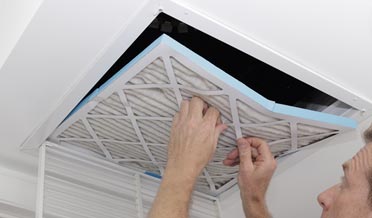
Change Your Air Filter Regularly

A dirty, clogged air filter leads to two major problems for air conditioners. First, it causes your blower motor to work harder than it should. While the blower fan moves large volumes of air—the entire volume of your home every 2 or 3 minutes—a clogged filter reduces the airflow, and the blower motor must work harder to complete its task.

Second, the evaporator coils bring very cold refrigerant gas into the evaporator chamber. Warm air from the house is being drawn through the filter and exchanged the heat for cold.

Reduced airflow causes humidity to freeze on the coils and this reduces the exchange of heat and cold. Expect warmer air from the air conditioner with an extremely clogged filter.

 Clean Your Evaporator Coils and Drain Pan

In addition to exchanging heat with cold, the evaporator removes humidity from the air when it condenses on the coils. By tripping the circuit breaker-marked AC and removing a few bolts, you can access the evaporator chamber and do a little maintenance. First, observe the coils—often a V-shape—and vacuum away any accumulated dust.

Second, observe the drain pan, looking for debris or algae buildup. Carefully pour a cup of bleach or vinegar into the drain pan as a deterrent to algae growth. You may need a wet/dry shop vacuum to clean out algae buildup in the drain lines. After you have returned the chamber cover and flip the circuit breaker back to the ON position.

Clean Your Condenser Unit

Stepping outside, locate the air conditioner condenser unit, a small, boxy component with a prominent fan on the top. The refrigerant gas has collected heat from your home in the evaporator chamber and brings it outdoors for release. The entire box is composed of a network of tubes with very small fins.

Airflow through this network transfers the heat to the moving air and cools down quickly. Quickly, unless the airflow is restricted by the accumulation of dirt, grass clippings, and debris. Use a garden hose—not a power washer—to gently clean the spaces between the tubes and promote good airflow. Trim any hedges and remove any debris within about 3 feet of the condenser.

Check Vents and Registers

In order for air conditioning to work properly, air must flow in large volumes. A normal 15-minute cooling cycle will move the entire volume of your home 7 or 8 times, maybe more. It moves that volume of air unless, of course, the vents and registers in the home are covered. Check each room and find one or more registers on or along the floor.

Rooms with more square footage will have more than one register. Make sure they are not covered by furniture or drapes. Each level of the home will have one or more return air vents.

Observe the vents about ¾ of the way up walls, perhaps in hallways or open spaces. Make sure that furniture and drapes do not cover your vents and reduce air movement.

Program The Thermostat for Summertime

Many homes have programmable or Smart thermostats. This allows homeowners to customize the temperature settings to match the family schedule and comfort levels. Summertime schedules change, so make sure to keep the settings adjusted to the season.

Consider adjusting the setting while the family is sleeping or away, reducing the demand for energy. Create a 30-minute buffer right before the alarm clock sounds or the first family member returns.

Plan an Annual HVAC Maintenance Tune-up

Scheduling a visit from an HVAC Maintenance professional to clean, inspect, and test the system is a sure way to keep your system running for as long as possible. The additional HVAC Maintenance care ensures that components function properly, gas levels are appropriate, and connections are maintained. This HVAC Maintenance TLC lengthens the serviceable life of your entire system.

Time for HVAC Maintenance?

Schedule your upcoming HVAC maintenance appointment by calling AllCool AC & Heating at 281-238-9292 or contact us via email.

6 Tips HVAC Maintenance Tips for Homeowners

Heater Efficiency: Warming Your Home Naturally

Heater Efficiency

Increase Heater Efficiency By Tapping Natural Resources

As winter approaches days grow shorter and the temperatures will be cooler for a few months: it happens every year like clockwork. However, we have seen the cost of fuels increase at an unexpected clip this year; energy costs for heating are projected to be higher than this time last year. Before an increase in heating causes you to break out into a sweat and your blood pressure rise, let’s look at some Heater Efficiency tips you can implement to make your home more comfortable with little to no cost.

Since it has been a few years since your last Physical Science class, let me remind you of this principle about the physics of energy. Heat always moves towards cold. Scientists will state it differently, but for practical purposes the statement is true. When you remember this principle, consider all of the adjustments you can make to keep your home warmer and to increase your heater efficiency this winter.

Heater Efficiency: Learn How to Keep Your Heat

Since you have already paid to heat your home, it is in your best interest to keep that warmth from moving to the cold outdoors.

  • Fireplaces lend an atmosphere of warmth and beauty, especially during winter holidays. A fireplace might also come in handy when an ice storm takes out electricity for an extended period. However, unmodified fireplaces are energy hogs and if used day-in and day-out, result in a less comfortable home and high energy costs.

    A roaring fire pushes more than 20,000 cubic feet of hot air and gases through the chimney every hour. That air must be replaced, and your home will draw outside (cold) air through every opening available to replace the lost air. The result is cold, drafty rooms away from the fireplace.

  • If you make your fireplace a normal source of heat, make energy-efficient modifications to keep your home comfortable. Make sure to keep the fireplace flue closed when it is not in use. If open, it is a channel for warm inside air to move to the cold outdoors, the equivalent to leaving a 48” square window open.
  • Insulation and weather-stripping is the MOST efficient measure to prevent the movement of warm air to the cold outside. You have heard the old adage “warm air rises.” It is true. Do a quick check of your attic insulation with a ruler or tape measure.

    Expect 10 to 12” of insulation evenly spread across the surface. If insulation is deficient, adding insulation will improve comfort and efficiency. Make sure that the attic opening is properly sealed.

  • Improved building materials and techniques result in energy-efficient wall construction, but age and settling can create gaps for air to move freely. Here are some things to inspect:
    • Windows and doors can allow air to freely move. Caulk and weather-stripping are quite effective. When you feel a cold draft coming in, know that an equal volume of warm air is leaving the building envelope.
    • Put your hand near electrical outlets. If you feel a draft, faceplate insulation is available to reduce the amount of air movement.

Practical Steps to Increase Heater Efficiency

  • Solar gain is free! Glass is a poor insulator and allows heat to travel from the warm side to the cold side reducing your heater efficiency. Solar gain is radiant energy coming from the sun, even on cold winter days.
    • Open the curtains during sunny days on the south side of the house. While the sun appears to move from east to west, it will always shine on the south side during the winter months. Plenty of heat will radiate through the windows, moving inside, even when it is cold. It makes the space cheery and bright. Be sure to protect sensitive materials from UV light.
    • Once the sun sets, close curtains and drapes to prevent the warm indoor air from traveling outdoors.
  • Take note of appliances and activities that warm your home. Appliances that clean typically also generate heat. Adjusting your schedule slightly can contribute warmth at the right time.
  • Use the clothes washer, dryer, and dishwasher during cold, evening hours and take advantage of the residual heat from these processes. If you prefer not to hear the noise, set a timer to begin cycles as the family is getting ready for bed.
  • Remember that baking and cooking will contribute substantial heat during the winter months. Plan accordingly, but NEVER use unvented gas appliances as a heat source.
  • Consider skipping the bathroom exhaust vent during showers to keep warm, moist air indoors instead of sending it outside. Indoor air tends to be drier during the winter months, so that might be a bonus.
  • Learn to use ceiling fans appropriately for the season to improve heater efficiency. Look for the switch on each ceiling fan that changes the direction of the blades. Which way should it turn? Simply remember—cool down/warm up. Warm air moves up and is trapped near the ceiling. A slow setting with the blades moving in a clockwise motion will pull cold air up and push warm air down.

Need help with improving your heater efficiency?

Let us know how we can help with your furnace and heater efficiency, call AllCool AC & Heating at 281-238-9292 or contact us via email.

Heater Efficiency